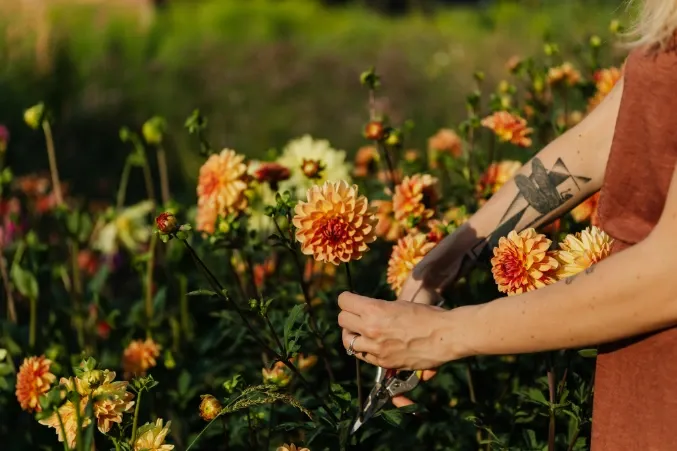

You bring home a bouquet, or someone hands you one, and by day two it's already drooping over the edge of the vase. It's a letdown every time, and it's rarely the flowers' fault. Most of what determines whether an arrangement lasts three days or ten comes down to a short list of habits, and none of them require special equipment. This guide walks through what actually works, from the first cut to daily maintenance, so you know how to keep flowers fresh whether they're from a grocery store bucket or a professional florist.
Why Cut Flowers Wilt in the First Place
A cut flower is a plant with no roots left to pull water on its own. Everything it needs has to travel up through the stem, and the single biggest threat to that process is bacteria building up in the vase water. Once bacteria take hold, they clog the stem's water channels, cloud the water, and speed up decay. Nearly every piece of flower care advice out there, changing the water, trimming the stem, keeping things clean, exists to slow that one process down.
If you're shopping for an arrangement that's built to last, browsing fresh seasonal bouquets is a good place to start, since quality and freshness at the point of purchase matter as much as anything you do afterward.
Get the First Hour Right
Flowers start sealing off their cut stems within minutes, so what you do in the first hour after unwrapping them affects the entire life of the arrangement more than anything you do later. A few careful steps here save a lot of frustration down the line.
Start With a Genuinely Clean Vase
Bacteria hiding in a vase from last month's flowers will undo everything else you do right. Wash it in warm, soapy water, use a bottle brush if the shape makes that hard, and rinse well. For a deeper clean between uses, a diluted bleach rinse (about one part bleach to ten parts water) followed by a thorough rinse gets you starting from zero.
Cut the Stems at an Angle
This single step probably matters more than anything else on this list. Trim each stem at a 45-degree angle, taking off at least an inch, more if the flowers have been out of water for a while. The angled cut gives the stem a larger surface area to draw water through and keeps it from sitting flat against the vase floor, which blocks water uptake almost entirely. Use sharp scissors or pruning shears rather than a kitchen knife, and if you can, make the cut while the stem is under running water so no air gets trapped inside before it goes into the vase.
Strip Anything Below the Waterline
Any leaf sitting underwater will rot within a day or two, and rotting leaves are basically a bacteria factory. Before the stems go in the vase, strip off everything on the lower third. It takes maybe thirty seconds per stem, and it's one of the easiest ways to keep the water clear longer.
Use Room-Temperature Water
Most flowers take up room-temperature water more easily than cold. Bulb flowers like tulips and daffodils are the exception and actually prefer it cool. Whatever the temperature, don't just top off the vase when it gets low. A full water change clears out the bacteria that a top-up leaves behind.
Add Flower Food, or a Homemade Substitute
The packet that comes with most bouquets does three things at once: feeds the flower with sugar, adjusts the water's pH, and slows bacterial growth. Without a packet, mix one teaspoon of sugar, one teaspoon of lemon juice or apple cider vinegar, and about half a teaspoon of bleach per liter of water for a rough equivalent.
Keeping Them Alive Day to Day
Four habits account for most of the difference between a bouquet that dies on day four and one still going at day ten:
- Change the water fully every two days. Cloudy water means bacteria have taken hold. A complete change, not a top-up, is what clears it out.
- Re-trim the stems every few days. Stem ends seal over as they sit in water, so a fresh angled cut every two to three days keeps them drinking properly.
- Pull wilting blooms as soon as you see them. A single dying flower releases ethylene gas, which speeds up decline in everything else nearby.
- Check water levels daily. Thirsty flowers like hydrangeas and sunflowers can drain a vase in a day. Keep the stems submerged.
Which Flowers Actually Last the Longest
Vase life varies a lot by variety, and it's worth knowing what you're working with before you build an arrangement around longevity. Carnations, for instance, hold up dramatically longer than something like a peony.
| Flower | Typical Vase Life |
|---|---|
| Chrysanthemum | 7 to 21 days |
| Carnation | 7 to 21 days |
| Gladiolus | 7 to 14 days |
| Sunflower | 6 to 14 days |
| Lily | 7 to 14 days |
| Gerbera Daisy | 7 to 14 days |
| Rose | 7 to 12 days |
| Tulip | 5 to 10 days |
| Hydrangea | 5 to 10 days |
| Peony | 5 to 7 days |
These numbers assume you're following the care steps above. Skip the water changes and trims and you'll land at the bottom of the range, or below it. Stay on top of it and the upper end is realistic.
Reading the Warning Signs
Flowers usually give some notice before they're gone for good. Catching the signal early is often the difference between reviving an arrangement and tossing it. For more on this, see our full breakdown of how to prolong the life of a bouquet.
- Wilting despite plenty of water in the vase usually means a blocked stem. Re-cut it and move it into fresh water right away.
- Cloudy water means bacteria have taken over. Full change, clean vase, fresh trim.
- A rose with a bent neck almost always has an air bubble trapped in the stem. Recut underwater, then let the whole flower rest in cool water for an hour. It often bounces back.
- Yellowing leaves point to bacteria in the water, or leaves that were left below the waterline. Strip them and change the water.
- Browning petal edges are usually just heat, direct light, or proximity to ripening fruit. Move the vase somewhere shadier.
- Everything wilting faster than it should is worth checking against nearby heat sources, air vents, or fruit bowls. All three shorten vase life noticeably.
The Bottom Line
None of this requires special products or a lot of time. A clean vase, a proper trim, water changed every couple of days, and a few minutes of attention here and there gets you most of the way there. The gap between a bouquet that lasts three days and one that lasts closer to two weeks usually isn't about the flowers themselves. It's about what happens to them once they're home.
Looking for an arrangement that's fresh from the start? Southside Blooms delivers seasonal bouquets with same-day and next-day options, built to still look good a week in, not just on delivery day.
Originally published at https://www.apsense.com.

























Sign in to leave a comment.