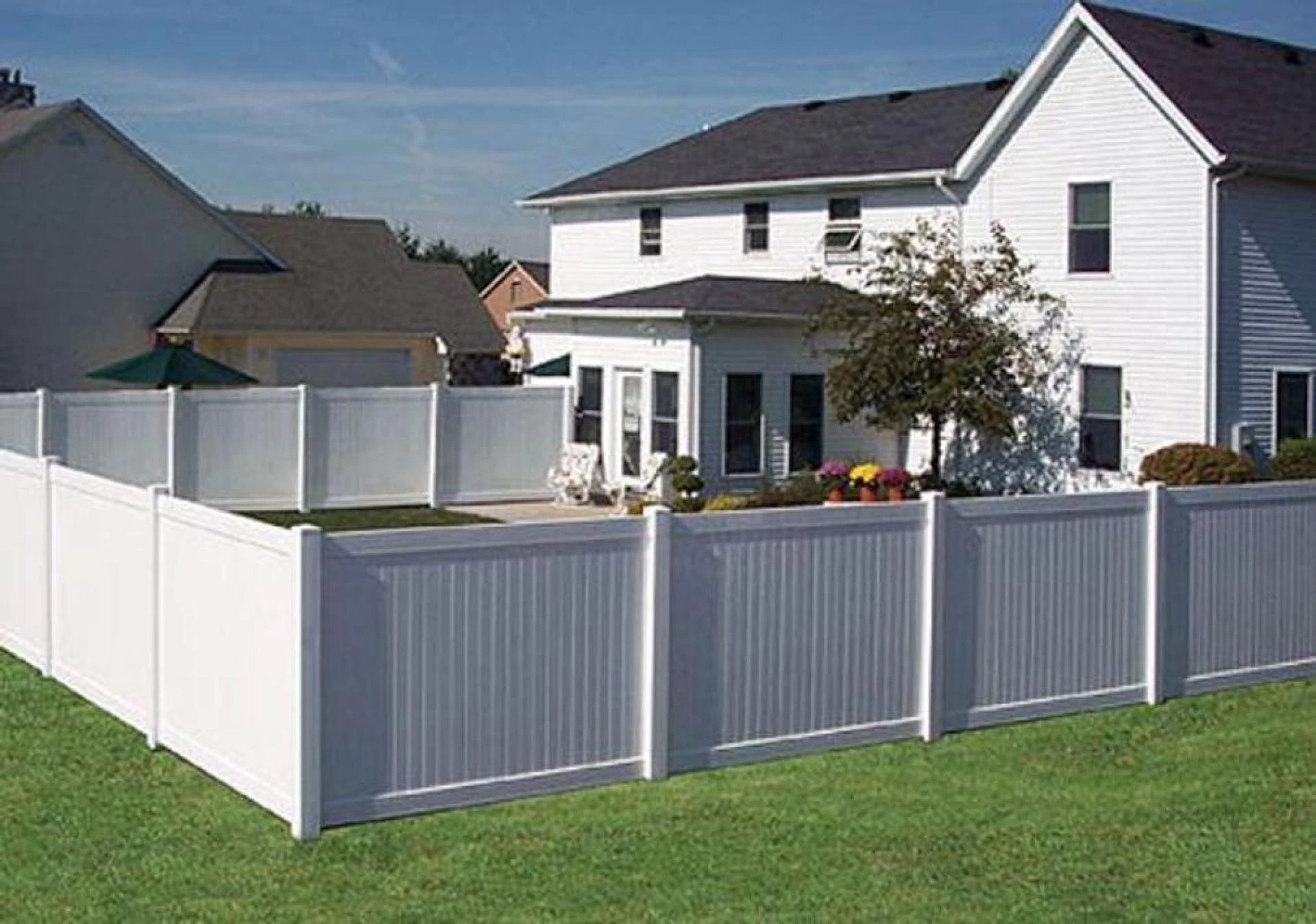

High winds and storms can do serious damage to your fence if it’s not secure. Thankfully, there are many methods you can use to shield your garden fencing from storms and high winds and keep it intact. Start by securing fence posts properly, checking for loose or rotting panels, and keeping up with minor repairs before they become bigger problems. You can also use cross-bracing and sealant, as this keeps your fence standing through tough weather. However, if all these sound like too much work, you can always reach out to a fence company for help.
Tips to Windproof Your Fencing
Here are some methods to protect your fence against strong winds.
Choose Quality Fence
The material quality of your fence matters. Choose wind-resistant and heavy-duty materials like vinyl, pressure-treated wood, and concrete post braces to ensure your fencing is actually strong.
Install Fence Posts
Ensure your posts are properly installed to hold your fence. The posts need to be set deep in the ground to secure the fence. Also, using concrete posts instead of wooden post braces will ensure your fence posts will stand the test of time and will not rot or become weak.
Minor Upkeep
It's worth keeping up with small fence repairs since it only takes one falling fence panel to pull the rest of them down! So, replace any single fence panels or posts that might cause trouble for the entire fence in an autumn gust. Check for loose, rotting, or broken posts and damaged or rotting fence panels.
Slight damage to wooden boards can be repaired with a few nails hammered firmly, but be realistic about the chances of this sort of "bolts and braces" solution lasting the shock of a heavy storm. It is better to repair it now than regret it later.
Best practice fence repair involves:
- Regular checking, specifically for signs of rot or warping
- Cleaning any dirt or debris off your fence
- Tightening loose fixtures and screws
- Reapplying fence stains or sealants
- Making sure any plants or trees that are close to your fence are trimmed properly.
Unstable posts? They'll certainly need a bit of attention if they're going to survive high winds. You may need to re-pitch them, bracing them with extra cement to provide a firm base.
Remove Dangerous Objects
Remove any loose or dangerous objects that are near your fence. Strong winds can blow objects such as patio furniture and plant pots into the fence, so ensure they are stored away.
Clean Your Fence
Cleaning your fence will ensure it can withstand storms. Wood will decay over time and weaken your fence, so ensure that you clean it regularly to maintain its condition.
Remove any branches that are near your fence and might harm it, particularly during a storm.
Use a Fencing Preservative
Apply a fresh coat of preservative during dry weather to protect your fence from moisture and rot. If you haven't already by September, this is the time to grab your paintbrush or spray gun. Fence preservatives penetrate the wood, keeping moisture out and preventing rot.
Invest in Composite Panels
Composite panels are significantly more weatherproof and long-lasting than standard timber panels. Concrete footings can be used to anchor the fence posts and add extra stability. If you have wood fence posts, guard the top of your posts with post caps (these will reduce the risk of rot and water damage).
Types of Wind-Resistant Fence Panel
The best types are those with gaps to let the wind through. Some wind-resistant fencing types will give you less privacy than a solid fence panel, but others don't require much compromise. Here are the types of wind-resistant fence panels:
- Hit and Miss fencing: These panels contain narrow slits that allow wind to pass through, enhancing resistance without compromising privacy. Boards are staggered on either side, vertically or horizontally, for a contemporary appearance.
- Slatted Venetian: These panels are also suitable for windy locations. They provide a fashionable design with light and shadow effects. The narrow gaps provide airflow without compromising privacy.
- Picket Fencing: These offer a traditional, airy atmosphere. Opt for a lower height for a welcoming appearance or a higher one for greater separation. As long as the posts are secure, their large gaps are windproof.
- Louvre Panels: These slant downwards, permitting air to circulate while preserving privacy. Their streamlined appearance also provides a contemporary look to any garden.
Conclusion
A strong fence requires professional installation, secure posts, and maintenance to withstand heavy winds. Inspecting for damage, supporting weak areas, and providing quality materials can be the difference between safety and disaster. If you're unsure where to begin, seeking professional advice from a local fence company may be the best way to keep your fence secure during high winds and storms. However, if you want to DIY it, it’s essential to use sturdy materials, secure posts deep in the ground, and check for loose sections regularly. Add cross-bracing for support and apply weatherproof sealant to prevent damage. Doing so helps your fence stay strong and withstand any storm.


























Sign in to leave a comment.