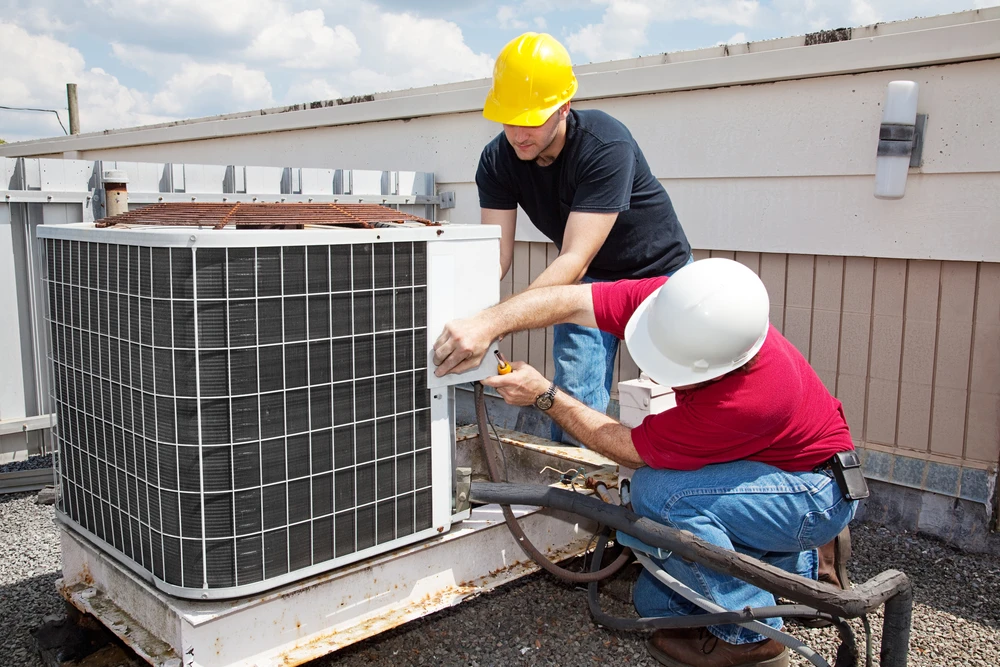

Knowing your HVAC system and its features is important because common myths mislead homeowners. The facts assist in efficient running, cost-saving, and maintenance. Get to know the truth to keep your house cozy. Don't believe all the myths regarding your residential HVAC services. Closing unused room vents can cause leaks and a waste of energy. AC running all day is not needed. Regular duct cleaning is usually not necessary. Too large a system can be wasteful. Regular service is essential for peak performance and cost savings.
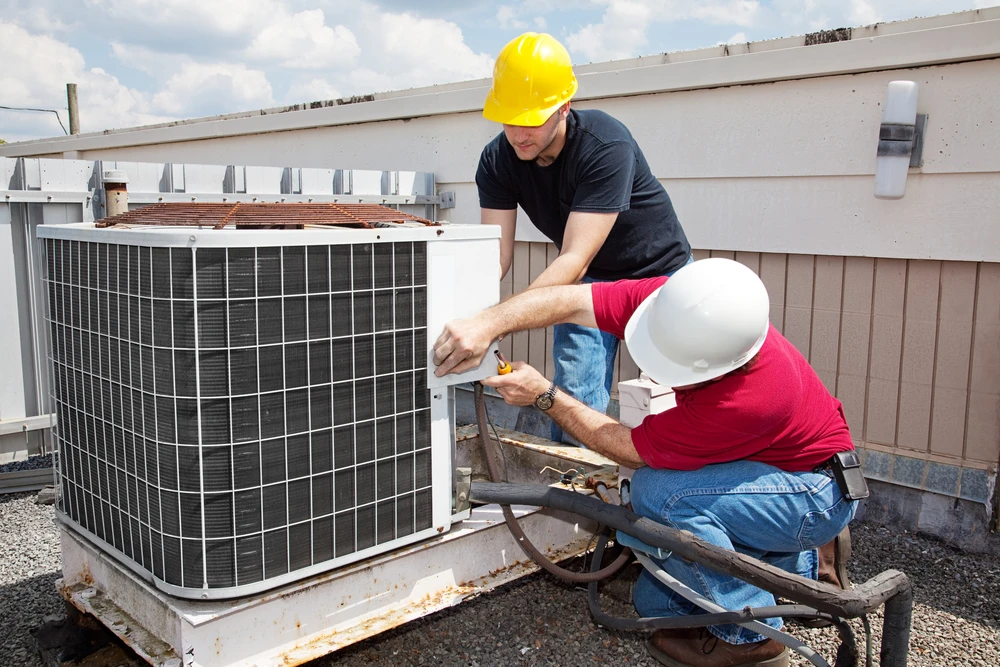
What You Need to Know to Debunk HVAC Myths?
Here are some myths debunked:
Myth 1: Closing Vents in Unused Rooms Saves Energy
Debunked: Most homeowners think that closing vents in rooms will save energy and lower heating or cooling bills. Nevertheless, contemporary HVAC systems are created to spread air uniformly throughout the house. Closing the vents will drive higher pressure in the ductwork, which might cause leaks and put extra stress on the system. It lowers efficiency and leads to increased energy expenses.
Myth 2: Leaving the AC On All Day is More Efficient
Debunked: Some believe using the air conditioner continuously, day and night, provides a constant temperature and conserves power in contrast to turning it on and off. But it consumes more power to operate the AC. Using a programmable thermostat that keeps the house cool when you get back home is a better alternative and keeps you comfortable without wasting power.
Myth 3: Routine Duct Cleaning is Necessary for Good Air Quality
Debunked: Clean air ducts are important, but regular cleaning isn't always required. According to experts, most dirt in air ducts sticks to the duct walls and doesn't affect indoor air quality. The U.S. Environmental Protection Agency (EPA) suggests that duct cleaning be done only when visible mold growth, pest infestation, or heavy dust buildup. Periodic checking can determine whether and when to clean.
Myth 4: Bigger HVAC Systems Are Always Better
Debunked: It is not true that a larger HVAC unit will heat and cool more effectively. But, yes, it will cycle more frequently on and off, wasting energy and expediting wear and tear. That can mean greater utility bills and a reduced life for the system. It pays to have a professional measure the size of your home and how well it is insulated to recommend a properly sized system for maximum performance.
Myth 5: Regular HVAC Maintenance Isn't Necessary Unless There's a Problem
Debunked: Some homeowners think maintenance is unnecessary if their HVAC system is functioning. Maintenance is essential to improving the system's efficiency and preventing potential issues. Routine check-ups can identify and repair small issues before they turn into costly repairs, extend the system's life, and maintain it at its peak performance.
Myth 6: Changing the Filter Once a Year is Sufficient
Debunked: Filters play a significant role in preserving indoor air quality and system performance. Based on usage and conditions, filters get clogged with dust and dirt, which requires the system to operate harder. For maximum airflow and efficiency, it's advisable to check your HVAC filter every month and replace it between 1-3 months or as the manufacturer recommends.
Myth 7: Higher Thermostat Settings Heat the Space Faster
Debunked: Some people believe using the thermostat at a higher temperature will heat the house in minutes. HVAC systems, however, heat at a steady rate regardless of the temperature setting. Turning the thermostat higher than the desired temperature won't heat the house quicker; it will make the system run longer, potentially overheat the room, and consume more energy.
Myth 8: Ceiling Fans Cool the Room
Debunked: Ceiling fans make you cool by the wind-chill effect but do not reduce the room temperature. Using fans in vacant rooms is an energy waste. To save electricity, switch off ceiling fans while leaving a room.
Myth 9: All HVAC Service Providers Offer the Same Quality
Debunked: Not all HVAC service providers are equal in skill and professionalism. Hiring an experienced and qualified service technician ensures that your system is well taken care of, which can increase its lifespan and efficiency. Quality service is more expensive initially but can pay dividends in the future by preventing incorrect installations or repairs.
Myth 10: Duct Tape Is Suitable for Sealing Ducts
Debunked: Regular duct tape is not the best for sealing HVAC ducts since it will corrode with time. For a long-lasting and effective seal, professionals suggest applying mastic sealant or metal-backed (foil) tape meant for ductwork.
Why is Debunking Myths Important?
- Enables Accurate Knowledge: Eliminating falsehoods ensures individuals make informed decisions based on correct facts.
- Avoids False Information Dissemination: Redressing myths stymies dissemination of incorrect info.
- Promotes Critical Thinking: Debunking fosters a critical examination of statements.
- Facilitates Informed Decision-Making: Proper information translates to improved personal and communal decisions.
- Strengthens Trust in Valid Sources: Debunking misconceptions supports the trustworthiness of factual sources.
- Minimizes Fear and Misconception: Busting myths relieves unnecessary fear from unfounded assumptions.
- Promotes Ongoing Learning: Debunking inaccuracies supports a culture of constant learning and education.
Conclusion
Debunking myths about residential HVAC services is crucial for homeowners. It promotes smart energy use by addressing misconceptions about closing vents and running the AC. It also emphasizes the importance of professional maintenance, proper system sizing, and choosing qualified service providers. Knowing about these myths allows homeowners to make informed decisions, improve efficiency, and ensure their HVAC systems operate effectively.
Click here and read more blogs


























Sign in to leave a comment.