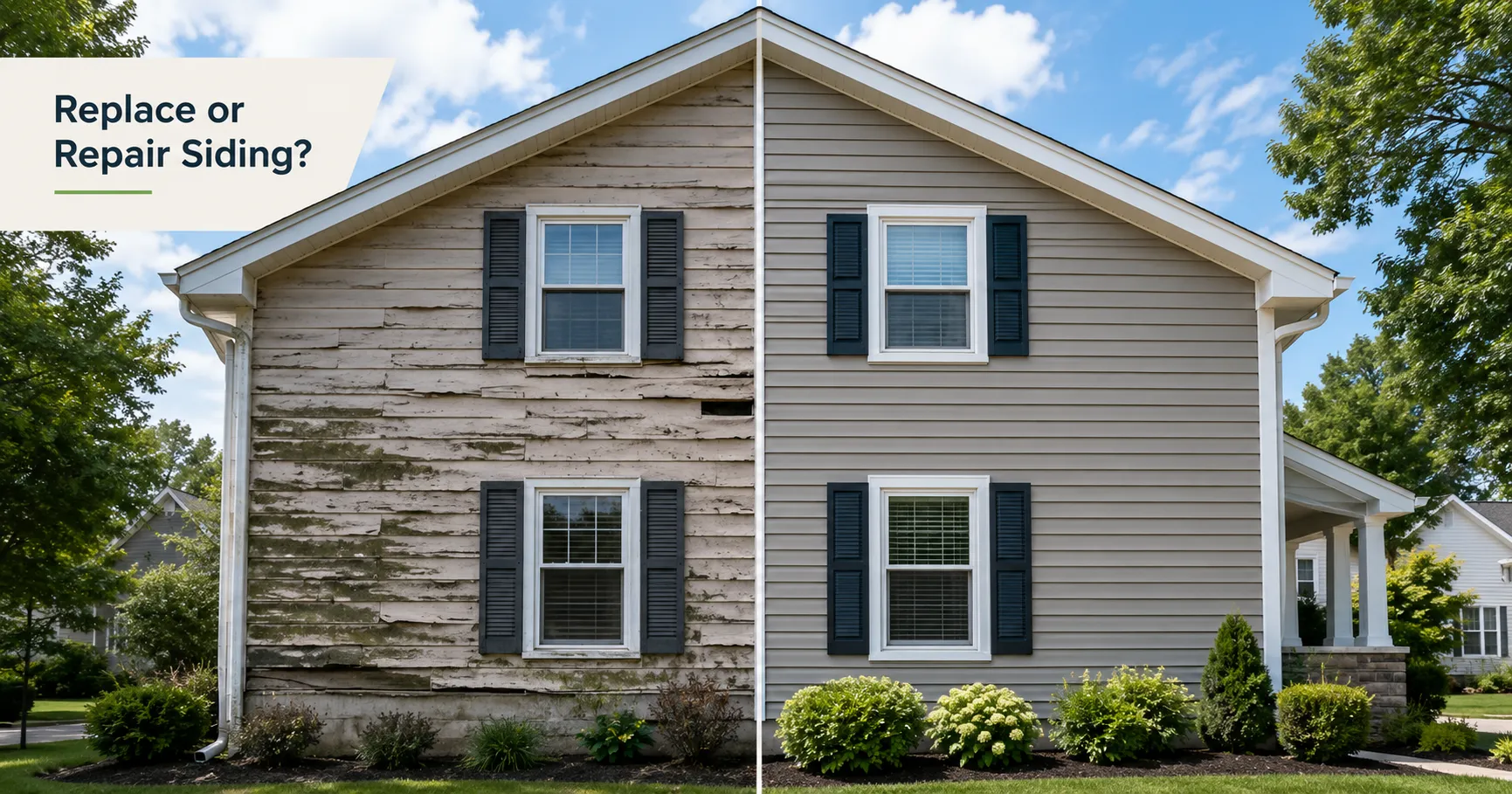

Your home’s siding does more than make the exterior look clean and attractive. It protects your house from rain, wind, moisture, pests, and changing temperatures. For New Jersey homeowners, siding takes a lot of wear throughout the year, from humid summers to freezing winters and strong storms. Because of this, knowing when siding needs repair and when it needs full replacement can save you from bigger problems later.
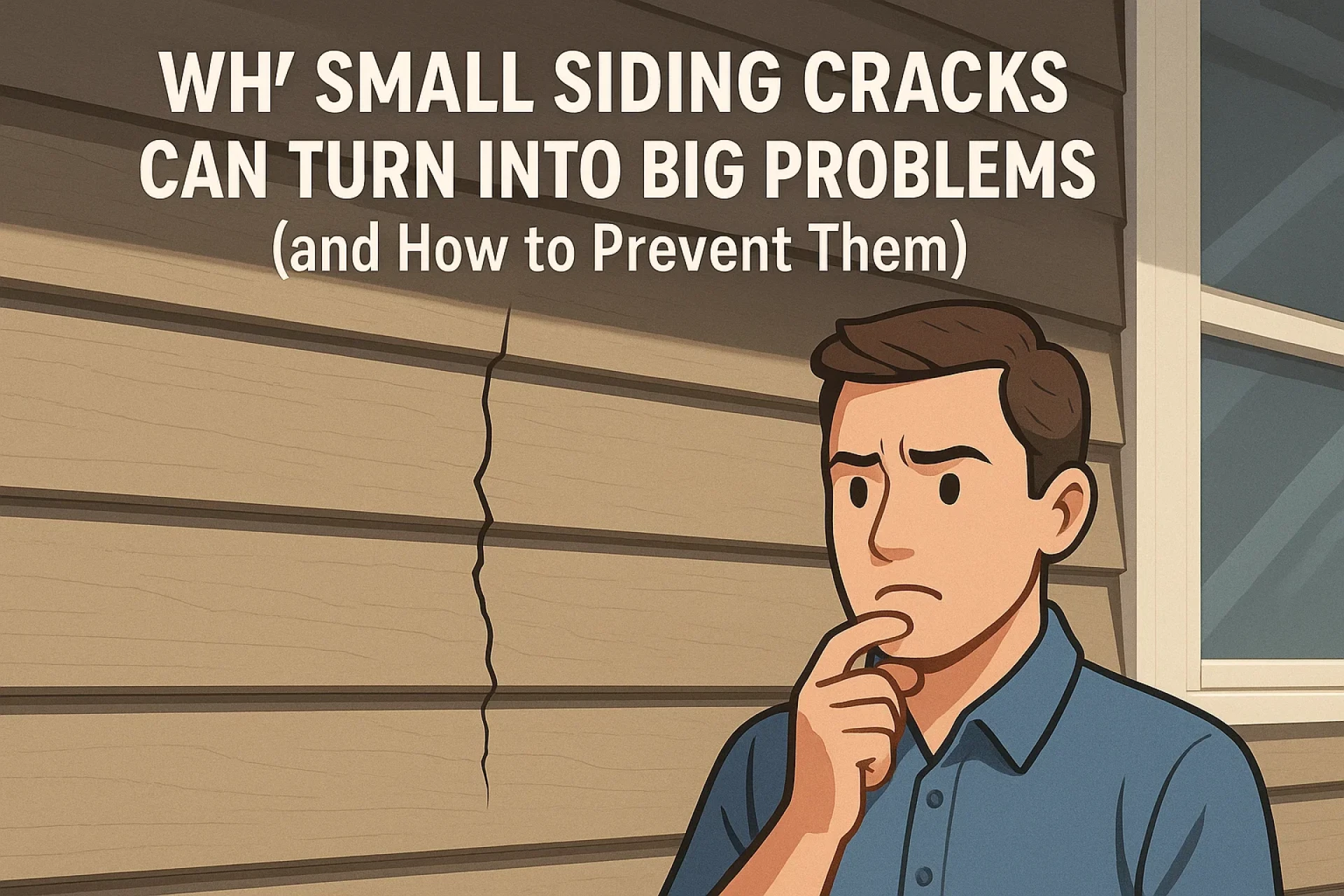
In many cases, small siding damage can be repaired. A loose panel, one cracked section, or minor storm damage may not require replacing the entire exterior. However, siding problems become more serious when they spread across multiple areas or when moisture gets behind the panels. Once water reaches the structure underneath, repairs may only cover the surface problem without fixing the real issue.
One of the clearest signs that your siding may need replacement is widespread cracking, warping, or buckling. If only one or two boards are damaged, repair may be enough. But if large sections are pulling away, bending, or no longer sitting flat against the home, the siding may no longer be protecting your house properly. Warped siding can allow water and air to enter, which can affect insulation, comfort, and structural health.
At this stage, speaking with a trusted siding company near you can help determine whether the damage is limited or part of a larger problem. A professional inspection can reveal hidden issues such as trapped moisture, rotting sheathing, mold growth, or failing installation. This is especially important if your siding looks damaged in several areas or if repairs have been needed more than once in a short period.
Another major warning sign is moisture damage inside or outside the home. If you notice mold, mildew, soft spots, peeling paint, or water stains near exterior walls, your siding may not be keeping water out. On the outside, siding that feels soft, spongy, or swollen may indicate water has entered behind the surface. Once moisture damage begins, replacing the siding is often the better long-term solution because patching may not stop the problem from returning.
High energy bills can also point to failing siding. When siding is old, loose, or poorly sealed, your heating and cooling system has to work harder to keep your home comfortable. Drafts near walls, uneven indoor temperatures, or rooms that feel colder in winter and hotter in summer may mean your siding and insulation are no longer performing well.
Faded or severely worn siding is another sign to watch for. Some fading is normal over time, especially after years of sun exposure. But if the siding is extremely faded, brittle, chalky, or peeling, it may be near the end of its lifespan. Older siding materials can become weak and less resistant to weather. When the surface starts breaking down, repairs may not restore full protection.
Frequent repairs are another clue that replacement may be smarter. If you keep fixing loose panels, cracks, leaks, or pest damage, those repair costs can add up quickly. At some point, continued patchwork becomes less practical than investing in new siding. A full replacement can give your home a fresh, uniform appearance and stronger protection.
Pest problems can also signal siding failure. Gaps, holes, and loose seams can allow insects, birds, squirrels, or other pests to get behind the siding. Once pests enter, they can damage insulation, wiring, and wood framing. If pests have already gained access through multiple areas, simply sealing one spot may not solve the issue.
Age is also important. If your siding is several decades old, it may not perform as well as modern materials. Even if it does not look terrible from a distance, older siding may have hidden damage or weak points. Today’s siding options are often more durable, lower maintenance, and better designed to handle moisture and temperature changes.
So, should you repair or replace your siding? Repair may be enough for isolated damage, newer siding, or small cosmetic issues. Replacement is usually the better choice when damage is widespread, moisture is present, energy bills are rising, pests are getting in, or the siding is near the end of its useful life.
The best approach is to inspect your siding regularly and act before small problems become expensive ones. For New Jersey homeowners, strong siding is not just about appearance. It is an important part of protecting your home from the weather year-round.

























Sign in to leave a comment.