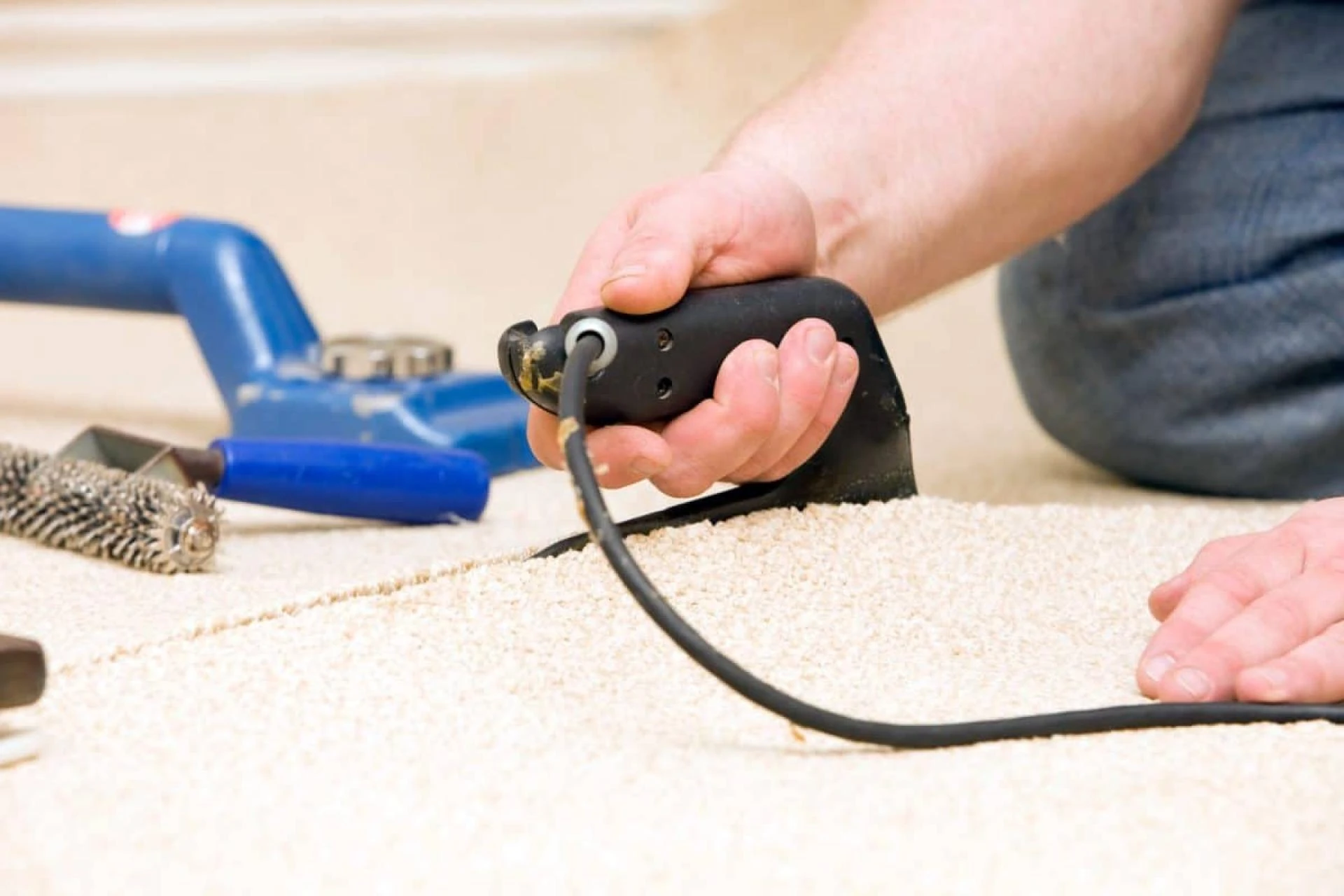

Maintaining carpets in a rental property is essential for both the comfort and aesthetic appeal of the tenants and for safeguarding the property's value while reducing ongoing maintenance expenses. Proper carpet care, including professional carpet repairs, plays a pivotal role in ensuring that the carpets stay in pristine condition throughout the tenancy and well into the future. In this guide, we will explore effective strategies that both landlords and tenants can employ to keep their rental property carpets clean, well-maintained, and in top shape through professional carpet repairs.
1. Implement a No-Shoes Policy
One of the simplest ways to protect carpets is to implement a no-shoes policy inside the home. Encourage tenants to remove their shoes at the entrance. This can significantly reduce the amount of dirt and debris tracked onto the carpet, which can wear down carpet fibers over time.
2. Regular Vacuuming
Regular vacuuming is essential for removing dirt and preventing it from settling deep into the carpet fibers. Tenants should be encouraged to vacuum at least once a week, or more frequently if the property has high foot traffic or pets.
3. Immediate Stain Removal
Promptly addressing spills and stains can prevent them from setting and becoming permanent. Providing tenants with a guide on how to treat common stains using gentle, carpet-safe products can be very helpful. For instance, blotting spills with a clean cloth and using baking soda and vinegar for tougher stains can be effective.
4. Professional Carpet Repair
Incorporating a clause in your rental agreement that mandates annual or bi-annual services from a professional carpet repair team can be a strategic decision. This team employs the most advanced repair techniques, which are far superior to routine vacuuming. Such expert interventions can significantly prolong the life of your carpets, ensuring they look their best for longer.
5. Use of Area Rugs and Runners
Encouraging the use of area rugs and runners in high-traffic areas can protect carpets from wear and tear. These rugs can be easily removed and cleaned, acting as a barrier between heavy foot traffic and the permanent carpeting.
6. Manage Pet Damage
If pets are allowed on the property, setting clear rules about pet management can help protect the carpets. This includes regular pet grooming to reduce shedding and having designated pet areas or using pet-proof carpets in areas where pets spend most of their time.
7. Inspect Carpets Regularly
Regular inspections can help catch any issues before they become major problems. Checking for signs of wear and tear, staining, or damage during routine property inspections can help ensure that small issues can be dealt with promptly.
8. Educate Tenants
Educating tenants about carpet care and the expectations regarding how they should maintain the carpet can go a long way in preventing damage. Providing written instructions or a care guide upon moving in can be beneficial.
9. Address Humidity and Moisture
Maintaining the right humidity levels can prevent the growth of mold and mildew in carpets. Using dehumidifiers in particularly damp areas, or in seasons when humidity levels are high, can protect carpets from moisture damage.
10. Choose the Right Carpet
For rental properties, choosing carpets that are durable and easy to clean can reduce maintenance issues. Materials such as nylon are known for their durability and stain resistance, making them ideal for rental settings.
Conclusion
Maintaining carpets in a rental property requires cooperation between landlords and tenants. By implementing strategies such as regular cleaning, immediate stain removal, and using protective measures like rugs and no-shoe policies, carpets can remain in excellent condition. This not only enhances the appearance of the property but also ensures that the living environment is pleasant and healthy for tenants.






















Sign in to leave a comment.