Glass pool fencing adds a sleek, modern touch to any outdoor space. Its transparent finish keeps your pool area open and visually spacious while maintaining safety. However, to keep that crystal-clear look year after year, proper maintenance and cleaning are essential. With the right care routine, your glass fence can remain spotless, strong, and attractive for a long time. In cases of unexpected damage or chips, seeking professional glass repair Sydney services ensures the fencing remains secure and compliant with safety standards.
Below is a practical guide to maintaining and cleaning your glass pool fencing effectively.
Why Regular Maintenance Matters
Glass pool fencing is constantly exposed to outdoor elements. Dust, rain, pool chemicals, salt (in coastal areas), and hard water deposits can gradually dull the surface. Without proper care, mineral buildup and stains may become harder to remove.
Regular cleaning not only preserves clarity but also extends the life of the glass panels and hardware. It prevents corrosion, staining, and permanent marks that can compromise the fence’s appearance and durability.
Basic Cleaning Routine for Clear Glass
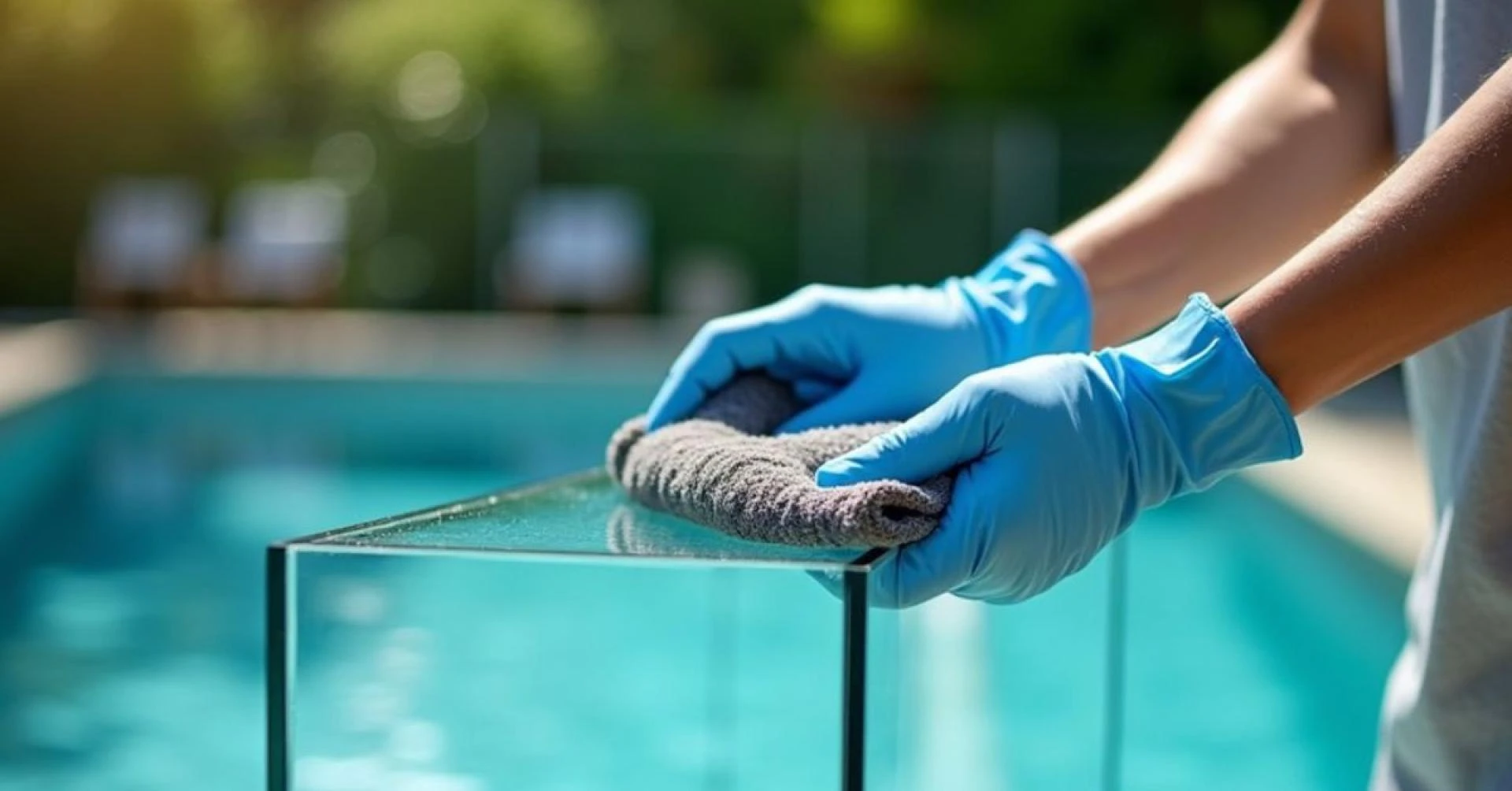
For general maintenance, a simple cleaning routine works well. Start by rinsing the glass panels with clean water to remove loose dirt and debris. This prevents scratching during the wiping process.
Next, use a mild glass cleaner or a mixture of warm water and a small amount of dishwashing liquid. Apply it with a soft sponge or microfiber cloth. Avoid abrasive pads, steel wool, or harsh chemicals, as these can damage the surface or leave scratches.
After cleaning, rinse thoroughly with fresh water and dry with a lint-free cloth or squeegee. Drying helps prevent water spots and streaks, especially in sunny conditions.
Dealing with Hard Water Stains
Hard water stains are common around pool areas. These stains appear as cloudy patches or white mineral deposits on the glass surface. If not addressed early, they can become stubborn.
To remove light mineral buildup, mix equal parts white vinegar and water. Apply the solution to the affected area and let it sit for a few minutes. Gently wipe the glass with a soft cloth, then rinse thoroughly.
For tougher stains, a specialized glass-safe mineral remover may be required. Always test any product on a small area first to ensure it does not damage the glass.
Preventing Corrosion on Hardware
While the glass panels are the main feature, the metal components such as spigots, clamps, and hinges also need attention. These parts are often made from stainless steel but can still develop surface rust or corrosion if neglected.
Wipe metal fixtures regularly with a damp cloth and mild detergent. After cleaning, dry them completely to prevent moisture buildup. In coastal areas or high-humidity environments, more frequent cleaning may be necessary.
Applying a light protective coating recommended by the manufacturer can also help extend the life of metal fittings.
Managing Pool Chemical Exposure
Chlorine and other pool chemicals can leave residue on the glass if splashed frequently. Over time, this residue may cause haziness.
To prevent chemical buildup, rinse the fencing with fresh water after heavy pool use or chemical treatments. Keeping chemical levels balanced in the pool also reduces excessive splashing and evaporation that can affect the glass.
A quick rinse once or twice a week can make a significant difference in maintaining long-term clarity.
Seasonal Deep Cleaning
In addition to regular cleaning, schedule a deep clean every few months. This involves thoroughly washing both sides of the glass panels, checking hardware, and inspecting seals or joints.
During this process, examine the glass for chips, cracks, or loose fittings. Addressing minor issues early can prevent costly repairs later.
Deep cleaning is especially important after storms, strong winds, or periods of heavy rain, as these conditions can leave dirt and residue on the panels.
Tips to Maintain Long-Lasting Clarity
Here are some simple habits that help maintain your glass pool fence:
- Clean spills and splashes promptly.
- Use only soft cleaning tools.
- Avoid harsh chemicals containing ammonia or bleach.
- Keep nearby plants trimmed to reduce sap and pollen buildup.
- Rinse the fence after mowing or landscaping to remove debris.
Consistency is key. Small, regular efforts prevent the need for aggressive cleaning later.
When to Consider Professional Help
If your glass fencing has heavy staining, scratches, or loose structural components, professional servicing may be the safest option. Experts have the right tools and experience to restore clarity without causing damage.
Professional inspections can also ensure that the fence remains compliant with local safety regulations and structurally secure.
Final Thoughts
Glass pool fencing is an investment that enhances both safety and style. With regular care, gentle cleaning methods, and attention to detail, you can keep your fence looking as clear and polished as the day it was installed. If panels ever become severely damaged or worn over time, professional glass replacement Sydney services can help restore both safety and visual appeal.
Maintaining clarity doesn’t require complicated steps—just a consistent routine and the right approach. By protecting the glass from buildup, corrosion, and environmental damage, you ensure your pool area remains bright, elegant, and welcoming for years to come.


























Sign in to leave a comment.