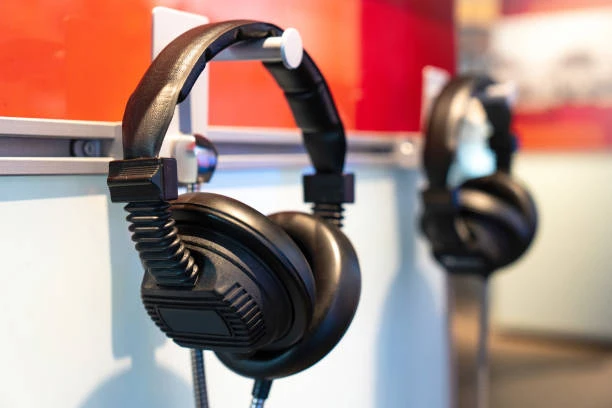

Closed-back headphones are widely used by music enthusiasts, gamers, studio professionals, and everyday listeners because they offer excellent noise isolation and immersive sound quality. Their sealed design prevents sound leakage while blocking outside noise, making them ideal for recording studios, offices, travel, and home listening. However, like any electronic device, closed-back headphones require proper care to maintain their performance and durability over time.
Without regular maintenance, dust buildup, worn ear pads, tangled cables, and improper storage can gradually affect sound quality and comfort. By following a few simple care practices, you can keep your headphones in excellent condition and extend their lifespan significantly.
Why Headphone Maintenance Matters
Closed-back headphones are an investment, especially if you use professional or high-end models. Proper maintenance not only protects the physical components but also preserves the audio performance you rely on.
Regular care helps to:
- Maintain clear and balanced sound quality
- Extend the lifespan of ear pads and headbands
- Prevent damage to cables and connectors
- Improve hygiene and comfort during long listening sessions
- Protect the internal drivers from dust and debris
By taking small preventative steps, you can avoid costly repairs or replacements and continue enjoying high-quality audio for years.
Clean Your Headphones Regularly
Over time, headphones accumulate dust, sweat, skin oils, and dirt, particularly around the ear pads and headband. Regular cleaning helps prevent buildup that could affect both hygiene and sound quality.
Start by wiping the exterior surfaces with a soft, slightly damp microfiber cloth. Avoid using excessive moisture, as water can damage electronic components. For stubborn dirt or oils, use a small amount of mild soap diluted in water.
Pay special attention to the ear pads, which come into direct contact with your skin. If your headphones have removable ear pads, take them off occasionally and clean them gently according to the manufacturer's recommendations.
Cleaning your headphones every few weeks—or more frequently if used daily—helps maintain their appearance and performance.
Protect the Ear Pads
Ear pads are one of the most frequently worn components of closed-back headphones. They are typically made from materials such as memory foam, leather, or synthetic leather. Over time, sweat and friction can cause them to deteriorate.
To extend their lifespan:
- Wipe them down after long listening sessions
- Avoid using headphones with wet hair
- Store them in a cool, dry place
If the ear pads begin to crack, flatten, or lose their cushioning, replacing them can restore both comfort and sound quality. Many headphone models offer replaceable ear pads, making maintenance simple and cost-effective.
Handle Cables with Care
One of the most common causes of headphone damage is improper cable handling. Twisting, pulling, or tightly wrapping the cable can weaken internal wiring and lead to audio interruptions.
When unplugging your headphones, always hold the connector rather than pulling the cable itself. Avoid wrapping the cable tightly around the headphones or your device. Instead, loosely coil the cable to prevent stress on the wires.
If your headphones feature detachable cables, consider disconnecting them when storing the headphones for extended periods. This reduces strain on the connectors and makes transportation easier.
Proper cable care significantly reduces the risk of connection issues or sound dropouts.
Store Your Headphones Properly
Storage plays an important role in preserving the condition of closed-back headphones. Leaving them exposed to dust, sunlight, or accidental damage can reduce their lifespan.
Whenever possible, store your headphones in a protective case or pouch when not in use. Hard cases are particularly useful for travel, as they protect against pressure and impact.
If you do not have a case, place the headphones on a dedicated headphone stand. This prevents the ear pads from being compressed and helps maintain the shape of the headband.
Avoid leaving headphones in extreme temperatures, such as inside a car on a hot day. Heat and humidity can damage both electronic components and ear pad materials.
Keep Headphone Drivers Free from Dust
The drivers inside closed-back headphones are responsible for producing sound. While the sealed design helps protect them from external noise, dust and debris can still accumulate over time.
Use a soft brush or compressed air (from a safe distance) to remove dust from vents or grills around the ear cups. Never insert sharp objects into these areas, as this can damage the delicate internal components.
Keeping the drivers’ clean helps maintain consistent audio quality and prevents unwanted distortions or muffled sound.
Avoid Excessive Volume Levels
While it may not seem like a maintenance issue, listening at extremely high volumes can strain headphone drivers over time. Continuous exposure to maximum volume levels may cause distortion or reduce the lifespan of internal components.
For optimal performance and longevity, try to keep volume levels at moderate ranges. This practice not only protects the headphones but also helps safeguard your hearing.
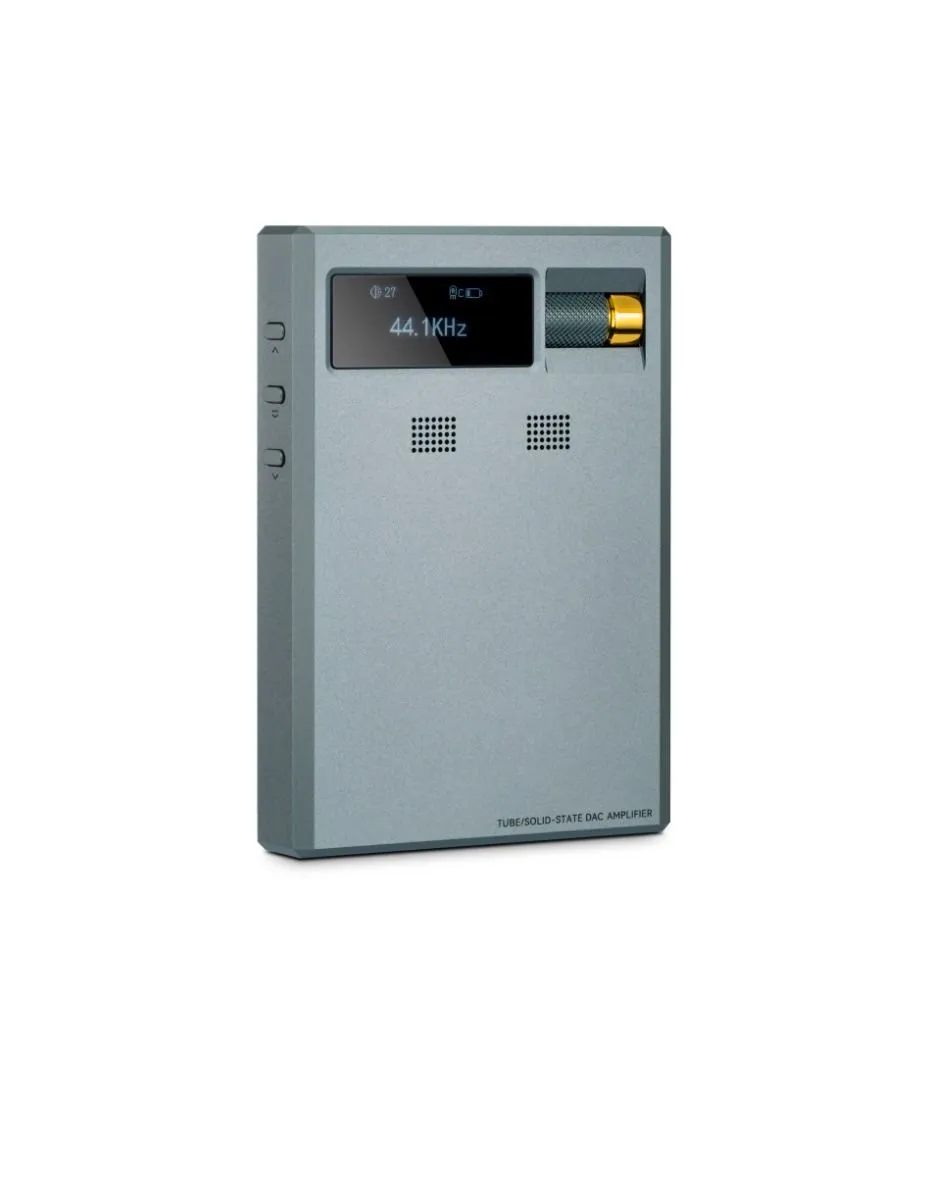
Using a headphone amplifier or high-quality audio source can also improve sound performance without requiring excessive volume.
Protect Headphones During Travel
Closed-back headphones are often used during travel, commuting, or mobile work setups. However, transporting them without protection can expose them to accidental damage.
When traveling, place your headphones in a padded carrying case to prevent scratches or pressure on the ear cups. Avoid stuffing them loosely into bags where other items could press against them.
For foldable headphone models, use the folding mechanism as designed by the manufacturer rather than forcing the structure into a smaller shape.
Taking a few precautions during travel can help prevent structural damage and preserve sound quality.
Replace Worn Components When Needed
Even with proper care, some headphone components naturally wear out over time. Ear pads, headband cushions, and cables may need occasional replacement.
Fortunately, many high-quality closed-back headphones are designed with replaceable parts. Replacing worn components can restore comfort and maintain the original sound profile without needing to purchase an entirely new pair.
Keeping spare ear pads or replacement cables on hand can also be convenient for frequent users.
Maintain Good Listening Habits
Beyond physical maintenance, developing good usage habits can significantly extend the life of your headphones.
Try to:
- Handle headphones gently when putting them on or removing them
- Avoid dropping or placing heavy objects on them
- Disconnect them properly from devices
- Keep them away from liquids or food
These small habits help prevent accidental damage and ensure consistent performance.
Final Thoughts
Closed-back headphones are designed to deliver immersive sound, comfort, and reliable performance. Whether you use them for professional audio production, gaming, or everyday listening, proper care is essential for maintaining their quality over time.
Regular cleaning, careful cable handling, proper storage, and occasional replacement of worn components can greatly extend the lifespan of your headphones. Protecting the ear pads, keeping the drivers free from dust, and avoiding excessive volume levels also contribute to long-term audio performance.
With consistent maintenance and mindful use, your closed-back headphones can continue delivering the rich, detailed sound you expect for many years to come. Investing a little time in proper care ensures that your headphones remain a dependable companion for work, entertainment, and music enjoyment.
























Sign in to leave a comment.