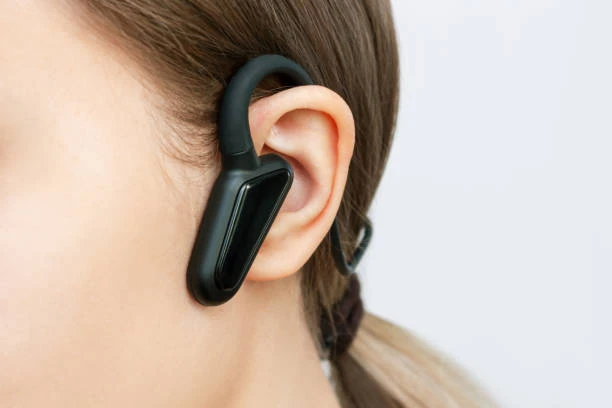

In today’s fitness culture, many athletes tune into music, podcasts, or training cues while running, cycling, hiking, or working out. That soundtrack can be inspiring—but traditional earbuds or over-ear headphones come with a potentially dangerous trade-off: they block ambient sounds. For athletes training outdoors, that means reduced awareness of traffic, other riders, and environmental cues. Enter bone conduction headphones—a technology that promises both audio enjoyment and safer situational awareness.
But do they deliver on that promise? And are they truly a better choice for athletes than conventional earbuds or wireless headphones?
What Are Bone Conduction Headphones?
Bone conduction headphones don’t sit inside your ears or cover them like regular headphones. Instead, they rest on your cheekbones—right in front of your ears—and transmit sound through vibrations in the bones of your skull. These vibrations bypass the eardrum and travel directly to the inner cochlea, where they’re interpreted as sound by your brain.
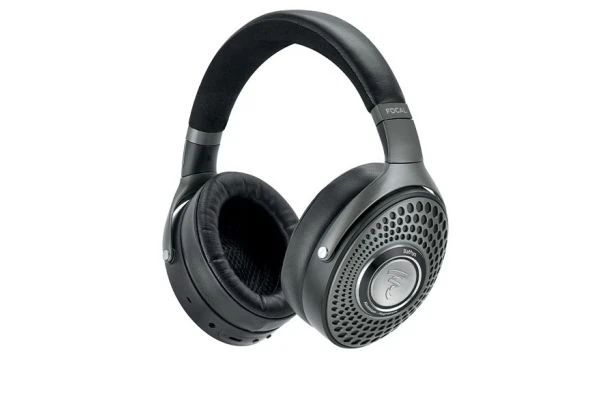
This contrasts sharply with traditional audio devices, which deliver sound waves into the air and through your ear canals. Because bone conduction doesn’t block your ears, the ear canal stays open, allowing you to hear surrounding sounds in real time.
How Bone Conduction Works: A Quick Dive
At their core, bone conduction headphones use a small transducer that vibrates at audio frequencies. These vibrations travel through the bones to the cochlea—the hearing organ in your inner ear. From there, auditory signals are sent to the brain the same way they would be with air-conduction (traditional) audio.
Because the eardrum is not involved in this process, bone conduction is especially useful for people who have issues with traditional earphones due to:
- Ear canal discomfort
- Sensitivity to in-ear pressure
- Earwax buildup
- Mild hearing impairments affecting the outer or middle ear
This same characteristic—keeping the ear canal open—is what makes athletes take notice.
Why Athletes Are Taking an Interest
For people who exercise outdoors—especially runners, cyclists, and hikers—situational awareness is critical. Listening to music or podcasts can make workouts more enjoyable and effective, but blocking the ears with earbuds or over-ear cups can be risky:
- Traffic noise becomes muffled
- Emergency sirens may not be heard in time
- Fellow athletes or pedestrians might go unnoticed
- Wildlife or environmental sounds are suppressed
Bone conduction headphones aim to solve that problem by allowing you to enjoy audio content while still hearing what’s going on around you. For many athletes, this might offer the ideal balance—entertainment without isolation.
The Safety Case: Are Bone Conduction Headphones Better?
One of the most compelling arguments for bone conduction audio for athletes is safety through awareness. Traditional headphones aim for maximum isolation—you hear only the audio. With bone conduction, your ears stay open to ambient sounds. This is particularly important in environments with:
- Busy streets and intersections
- Shared paths with cyclists, runners, or walkers
- Park trails with dogs or wildlife
- Urban areas with construction and traffic
Several sports medicine professionals and running coaches emphasize that being aware of your surroundings significantly reduces accident risk. By keeping your ears “open,” bone conduction headphones may help runners and cyclists detect approaching hazards earlier, make eye contact with other trail users, or hear vehicles signaling their approach.
Scientific Insights on Situational Awareness
Although research on bone conduction headphones and athletic safety is limited, existing studies on headphone use and situational awareness reveal a consistent trend: blocking ambient sound increases the risk of accidents in outdoor sports. Open-ear audio, like bone conduction or open-ear earbuds, supports awareness by letting environmental sounds reach the ears alongside the audio content.
For athletes who train in urban environments, this can translate into startups or stops that feel more confident and less tense—knowing that they aren’t completely isolated from sound cues.
Performance and Comfort Considerations
Beyond safety, athletes also care about how well headphones perform during intense workouts. Here are five performance elements to consider:
1. Sound Quality
It’s no secret that many bone conduction models deliver less robust bass or lower volume potential compared with traditional earbuds. Music lovers who crave deep, rich sound might find them lacking.
That said, many athletes prioritize functional audio—just enough to stay motivated—over audiophile‐level fidelity.
2. Fit and Stability
Bone conduction designs wrap around the back of the head and sit on the cheekbones. For runners or gym athletes, this can feel more stable than lightweight earbuds that fall out during movement.
However, fit varies wildly between individuals depending on head shape and ear positioning, so trying different models is often necessary.
3. Sweat and Weather Resistance
Good bone conduction headphones for athletes offer solid sweat and water resistance—important for heavy sweating or rainy conditions.
4. Battery Life
Since most bone conduction units are wireless, battery life matters. Many deliver 5–8 hours of continuous playback, which is usually enough for most workouts or training sessions.
5. Comfort Over Time
Because the transducers press against the cheekbones rather than inside the ears, some users find bone conduction more comfortable during long workouts—especially if they suffer ear fatigue or irritation from traditional earbuds.
Who Should Consider Bone Conduction Headphones?
Bone conduction audio isn’t for everyone, but it excels in specific scenarios:
Outdoor Runners and Cyclists
Athletes who regularly train in open environments, where traffic and environmental sounds are vital, benefit most from open-ear awareness.
Multisport or Trail Athletes
Those who juggle bikes, trails, and unpredictable terrain may appreciate hearing surroundings while still using music or coaching apps.
Athletes With Ear Sensitivities
People who find in-ear earbuds uncomfortable or physically irritating can enjoy audio without canal pressure or buildup.
Fitness Enthusiasts Wanting Awareness
Yoga in parks, strength training outdoors, or casual walks: bone conduction keeps you connected to your environment.
Limitations to Keep in Mind
While bone conduction headphones have many perks, they aren’t perfect:
- Audio Quality Isn’t Premium: Sound fidelity, especially in bass response, rarely matches that of high-end traditional headphones.
- Sound Leakage: Because the audio isn’t isolated, people close to you might hear your music at high volume.
- Not Ideal in Loud Environments: If you train in noisy gyms or city centers, open-ear audio might get overwhelmed by background noise.
- Price: Quality bone conduction models tend to be pricier than budget earbuds.
Tips for Maximizing Safety & Enjoyment
Here are a few ways to safely use bone conduction headphones as an athlete:
Keep Volume Moderate
Don’t crank the audio—this helps ensure you still hear environmental sounds clearly.
Use One Ear Option
If an app or device allows splitting channels, consider mono audio in one ear for extra awareness.
Pair With Navigation/Tracking Apps
Bone conduction makes it easier to integrate audio cues from training apps without losing ambient awareness.
Test Different Head Shapes
Because fit matters, try multiple models, if possible, to find one that doesn’t shift during movement.
The Bottom Line
For athletes who want to stay alert while enjoying music or training cues, bone conduction headphones offer a compelling safety advantage over traditional earbuds or closed headphones. They deliver open-ear listening that lets you remain connected to your environment—especially important when running, cycling, or training outdoors.
While sound quality and performance won’t match premium traditional headphones, the trade-off may be well worth it for your safety and comfort. Especially if you prioritize awareness during workouts, bone conduction could very well be the safer, smarter way to listen on the move.






























Sign in to leave a comment.