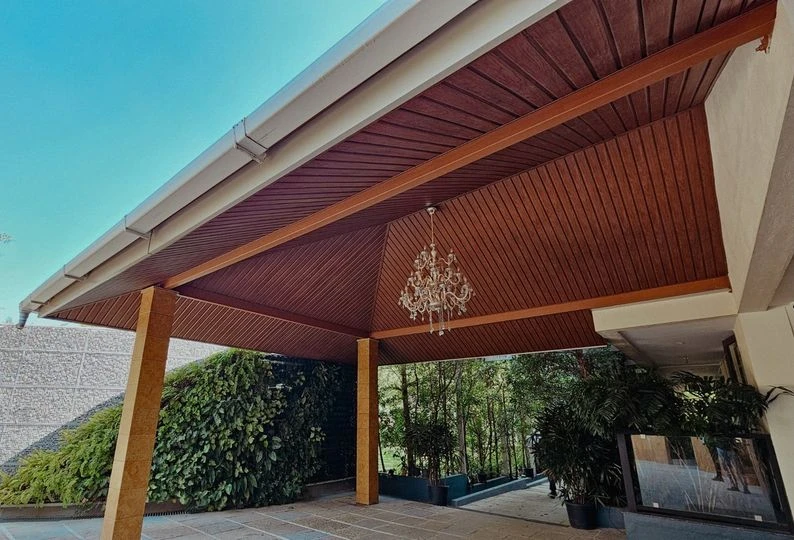

When you\'re building or remodeling your home or office, what areas do you focus on the most? Many of us pay the most attention to bathrooms and kitchens at home, and in a business setting, the reception area or conference room. We love it when people notice our upgrades. But have you ever thought about the impact that a well-designed ceiling can have?
Imagine walking into a room where the ceiling adds elegance, making the space feel larger and quieter. Sounds great, right? Ceilings can do all that and more, showing off your attention to detail. With many different types of ceilings available, each with its own benefits, you can find the perfect one to meet your needs. The only question is, what are you looking to achieve with your ceiling design?
Let\'s learn about some ceiling options so that you can make the perfect choice for your next upgrade.
1. Gypsum Board (Drywall) Ceilings
Gypsum board, or drywall ceilings, are made from large sheets of gypsum plaster sandwiched between two layers of paper.
Pros:
- Smooth Finish: Gypsum boards provide a smooth, clean finish that can be easily painted or wallpapered.
- Fire Resistance: Many gypsum boards have fire-resistant properties, adding a layer of safety to your home.
- Easy Installation: They are relatively easy to install and can be used to create various designs, including coffered ceilings.
Cons:
- Susceptible to Moisture: Gypsum is not ideal for areas with high humidity, as it can absorb moisture and become damaged.
- Needs Finishing: Joints between boards need to be finished with joint compound and tape, which can add to the labor cost.
2. Wooden Ceilings
Wooden ceilings are made from natural wood panels or planks, adding warmth and a rustic charm to a room.
Pros:
- Aesthetic Appeal: Wood adds a warm, natural look to any space, making it cozy and inviting.
- Durability: High-quality wood can last for decades and can be refinished to look new again.
- Versatility: Wood can be stained, painted, or left natural to match various design styles.
Cons:
- Cost: Wood ceilings can be expensive, both in terms of materials and installation.
- Maintenance: Wood requires regular maintenance to prevent damage from pests, moisture, and general wear and tear.
- Weight: Wood can be heavy, requiring a strong structural framework to support it.
3. Metal Ceilings
Metal ceilings are constructed from metal panels, offering a sleek, modern look and excellent durability.
Pros:
- Durability: Metals like aluminum and tin are extremely durable and resistant to moisture, mold, and mildew.
- Aesthetic Variety: Metal ceilings come in various styles and finishes, from sleek modern looks to ornate, vintage designs.
- Low Maintenance: Metal ceilings require minimal maintenance and are easy to clean.
Cons:
- Cost: Like wood, metal ceilings can be costly, especially if you choose complicated designs.
- Noise: Metal can amplify sound, making it a less ideal choice for areas where noise control is important.
4. Acoustic Tiles
Acoustic tiles are ceiling panels designed to absorb sound, reducing noise and improving room acoustics.
Pros:
- Sound Absorption: Acoustic tiles are excellent for controlling sound, making them ideal for offices, music rooms, and home theaters.
- Easy Installation: These tiles are generally easy to install and can be replaced individually if damaged.
- Variety: Available in various textures and colors, they can enhance the visual appeal of a room.
Cons:
- Aesthetic Limitations: Acoustic tiles may not provide the high-end aesthetic some homeowners desire.
- Fragility: These tiles can be fragile and may not withstand rough handling during installation or cleaning.
5. Plaster Ceilings
Plaster ceilings are created using layers of plaster applied over a lath framework, offering a smooth and seamless finish.
Pros:
- Customizable: Plaster can be molded into various shapes and designs, offering a high level of customization.
- Seamless Finish: Provides a smooth, seamless finish that can be painted in any color.
- Durability: Plaster is very durable and resistant to wear and tear.
Cons:
- Labor Intensive: Plastering is a skilled job that can be labor-intensive and time-consuming.
- Cracking: Over time, plaster can develop cracks, especially if the underlying structure shifts.
6. PVC Ceilings
PVC ceilings are made from lightweight, durable plastic panels that are easy to install and maintain.
Pros:
- Waterproof: PVC is completely waterproof, making it an excellent choice for bathrooms and kitchens.
- Low Maintenance: PVC ceilings are easy to clean and maintain.
- Affordable: Generally more affordable than wood or metal options.
- Appearance: PVC looks elegant compared to natural materials like wood or metal.
Cons:
- Environmental Impact: PVC production is not environmentally friendly, and the material is not biodegradable
Choosing the right ceiling material depends on various factors, including your budget, aesthetic preferences, and the specific needs of each room. VOX suggests you to weigh the pros and cons of each material so that you can select the best option for your home or office.
























Sign in to leave a comment.