

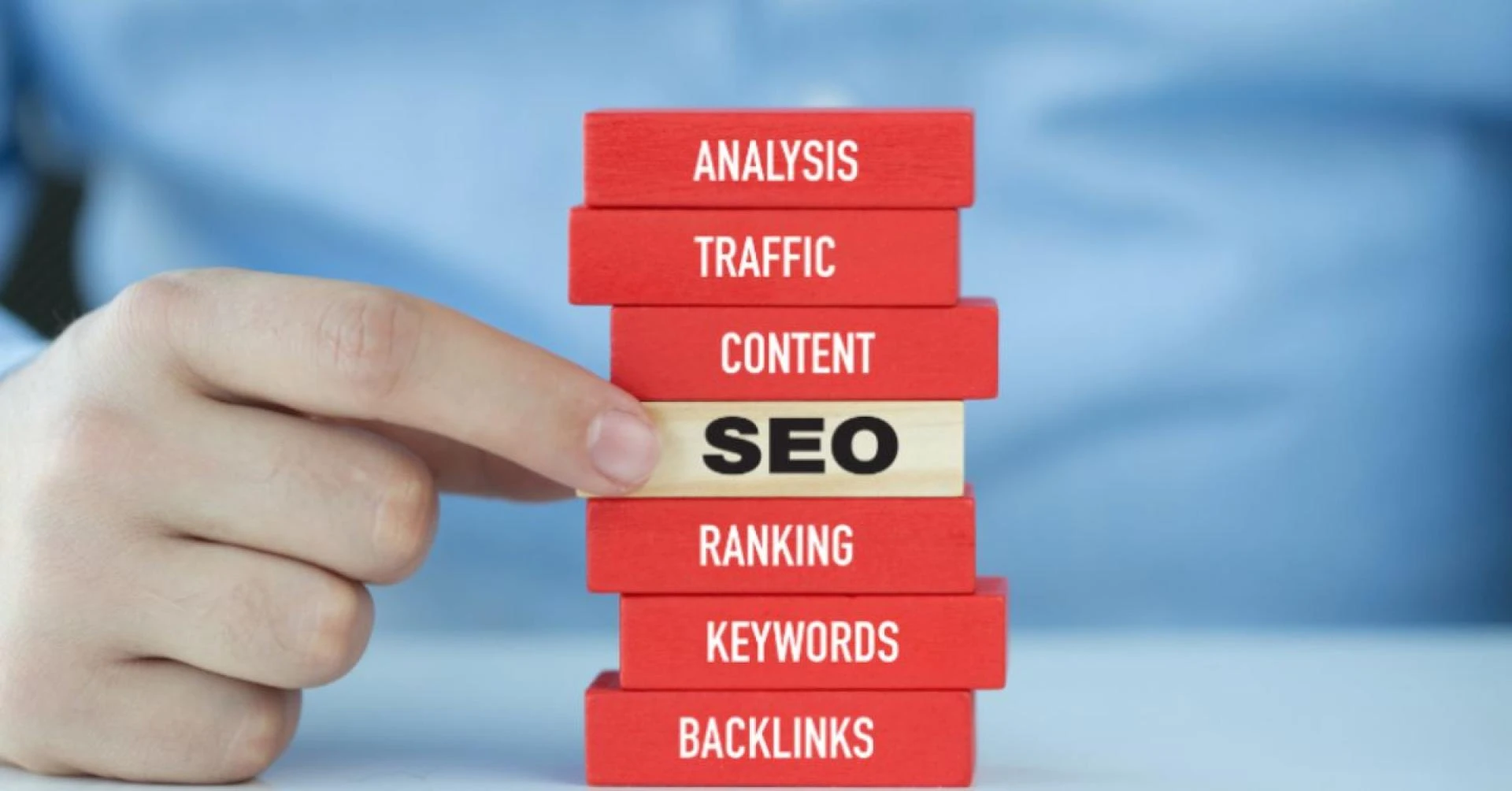
Search Engine Optimization (SEO) has evolved significantly over the past decade. In 2026, ranking on Google is no longer just about keywords and backlinks. It’s about user experience, intent satisfaction, AI-driven search behavior, and measurable business impact.
If you are investing time and money into SEO, one important question remains:
How do you actually measure SEO success?
In this comprehensive guide, we’ll break down the exact metrics, tools, and strategies you need to evaluate Search Engine Optimization and SEO performance effectively in 2026 — especially if you're building long-term digital growth.
Why Measuring SEO Success Is More Important Than Ever
SEO today is deeply integrated with:
- AI-powered search results
- Voice search
- Visual search
- Google’s evolving algorithms
- User behavior signals
Ranking alone is not success anymore. Real SEO success means:
- More qualified traffic
- Higher conversions
- Better user engagement
- Sustainable revenue growth
Without proper measurement, you’re guessing — not growing.
1. Organic Traffic: The Foundation Metric
The first and most obvious metric is organic traffic — the number of visitors coming from search engines.
What to Track:
- Total organic sessions
- New vs returning users
- Traffic growth month-over-month
- Traffic by landing page
Why It Matters:
If organic traffic is increasing consistently, your SEO strategy is moving in the right direction.
However, traffic alone is not enough. You need qualified traffic.
2. Keyword Rankings (But Smarter in 2026)
Keyword rankings still matter — but context matters more.
What to Monitor:
- High-intent keywords
- Long-tail keywords
- Featured snippet placements
- AI-generated overview visibility
- Local keyword rankings
Instead of focusing only on position #1, analyze:
- Click-through rate (CTR)
- Search intent alignment
- Competitor movement
Ranking #3 with high CTR can be more valuable than ranking #1 with low engagement.
3. Click-Through Rate (CTR)
CTR shows how many people click your website after seeing it in search results.
Why CTR Is Crucial:
Google interprets high CTR as a positive engagement signal.
To improve CTR:
- Optimize meta titles
- Write compelling meta descriptions
- Use structured data
- Add FAQ schema
- Target rich snippets
In 2026, AI summaries may appear above organic results, so optimizing for engagement is essential.
4. Conversion Rate: The Real Success Indicator
Traffic is good. Conversions are better.
Track:
- Form submissions
- Phone calls
- Newsletter signups
- Purchases
- Demo bookings
If traffic increases but conversions don’t, something is wrong with:
- User experience
- Landing page clarity
- Call-to-action placement
- Intent mismatch
SEO success must tie directly to business goals.
5. User Engagement Metrics
Google increasingly values behavioral signals.
Important metrics include:
- Bounce rate
- Average session duration
- Pages per session
- Scroll depth
- Engagement rate
In 2026, search engines prioritize content that genuinely helps users — not just content stuffed with keywords.
6. Core Web Vitals & Technical SEO
Technical performance is a ranking factor.
Track:
- Page load speed
- Largest Contentful Paint (LCP)
- First Input Delay (FID)
- Cumulative Layout Shift (CLS)
- Mobile usability
A slow website loses both rankings and conversions.
Technical health equals long-term SEO stability.
7. Backlink Quality (Not Just Quantity)
Backlinks still matter — but quality dominates in 2026.
Monitor:
- Referring domains
- Domain authority
- Relevance of linking sites
- Toxic backlinks
One high-authority backlink can outperform 50 low-quality ones.
8. Local SEO Metrics (If Applicable)
If your business serves a local market, measure:
- Google Business Profile views
- Calls from Google Maps
- Direction requests
- Local keyword rankings
- Review growth
Local SEO is highly competitive and measurable.
9. AI & Voice Search Visibility
Search behavior is evolving rapidly.
Track:
- Conversational keyword rankings
- FAQ performance
- Structured data results
- Featured snippet appearances
Optimizing for voice search and AI-generated answers is critical in 2026.
10. Content Performance Analysis
Each piece of content should have a measurable impact.
Track:
- Top-performing blog pages
- Content that drives conversions
- Content with high engagement
- Pages with declining traffic
Update underperforming content instead of constantly creating new content.
Essential Tools to Measure SEO Success
Here are the most important tools in 2026:
1. Google Search Console
- Tracks impressions
- Clicks
- CTR
- Keyword performance
- Indexing issues
2. Google Analytics 4 (GA4)
- User behavior tracking
- Conversion tracking
- Funnel analysis
- Engagement metrics
3. SEO Tracking Tools
- Keyword rank trackers
- Competitor analysis tools
- Backlink monitoring tools
4. Heatmap Tools
- Understand where users click
- Identify UX improvement areas
Data-driven decisions outperform assumptions every time.
Setting Realistic SEO Goals
SEO is not instant.
In 2026, realistic expectations include:
- 3–6 months for measurable growth
- 6–12 months for competitive niches
- Continuous optimization required
Track progress monthly, not daily.
Common Mistakes in Measuring SEO Success
- Focusing only on rankings
- Ignoring user experience
- Not tracking conversions
- Measuring traffic without intent analysis
- Comparing short-term fluctuations
SEO success is a long-term trend, not a daily scorecard.
How to Build an SEO Dashboard
Create a simple SEO performance dashboard including:
- Organic traffic growth
- Keyword ranking changes
- Conversion numbers
- Bounce rate
- Backlink growth
- Technical health score
Review monthly. Optimize consistently.
The Role of AI in SEO Measurement
In 2026, AI helps analyze:
- Content gaps
- Competitor strategies
- User behavior patterns
- Predictive ranking trends
But AI tools should support strategy — not replace it.
Human expertise still matters.
How Memento Technologies Helps Businesses Measure SEO Success
At Memento Technologies, SEO is not just about improving rankings — it’s about driving measurable business growth. The team focuses on data-driven strategies, conversion tracking, performance analytics, and technical optimization to ensure clients see real ROI from their SEO investment.
By combining advanced tools, AI insights, and human expertise, Memento Technologies helps businesses track, measure, and scale their digital presence with clarity and confidence.
Frequently Asked Questions (FAQ)
1. What is the most important SEO metric in 2026?
Conversion rate and qualified organic traffic are the most important metrics.
2. How long does SEO take to show results?
Typically 3–6 months for noticeable growth, depending on competition.
3. Is ranking #1 always necessary?
No. High CTR and strong conversions matter more than just position.
4. How do I know if my SEO is working?
If organic traffic, engagement, and conversions are consistently increasing, your SEO is effective.
5. Should I focus on traffic or conversions?
Conversions. Traffic without conversions does not grow your business.
6. How often should I check SEO performance?
Monthly reviews are ideal for strategic improvements.
7. Do backlinks still matter in 2026?
Yes, but quality and relevance are more important than quantity.
8. Can AI replace SEO experts?
AI assists analysis, but strategy and execution require human expertise.
Final Thoughts
Measuring SEO success in 2026 requires a balanced approach. Rankings alone are no longer enough. You must track:
- Organic traffic
- User engagement
- Conversion rates
- Technical performance
- Backlink quality
- AI search visibility
SEO success is not about chasing algorithms. It’s about building a valuable, high-performing digital presence that serves users and drives measurable business growth.
If you focus on data, consistency, and user experience, your SEO results will compound over time.

























Sign in to leave a comment.