In today’s fast-paced manufacturing landscape, maximizing productivity is no longer just a competitive advantage—it's a necessity. As product demand increases and customer expectations evolve, manufacturers across various sectors are seeking innovative ways to enhance efficiency, reduce costs, and maintain high-quality outputs. One of the most effective solutions to achieve these goals—especially in the production of large, durable, and complex plastic parts—is the Twin Sheet Thermoforming Machine.
At Shanghai Zhanshi Mechanical Equipment Co., Ltd., we specialize in advanced thermoforming equipment engineered to meet the modern manufacturing challenges of 2025 and beyond. Whether you're in automotive, packaging, medical, or industrial equipment production, learning how to optimize productivity with a Twin Sheet Thermoforming Machine can significantly improve your operational performance and bottom line.
Understanding the Twin Sheet Thermoforming Machine
What is a Twin Sheet Thermoforming Machine?
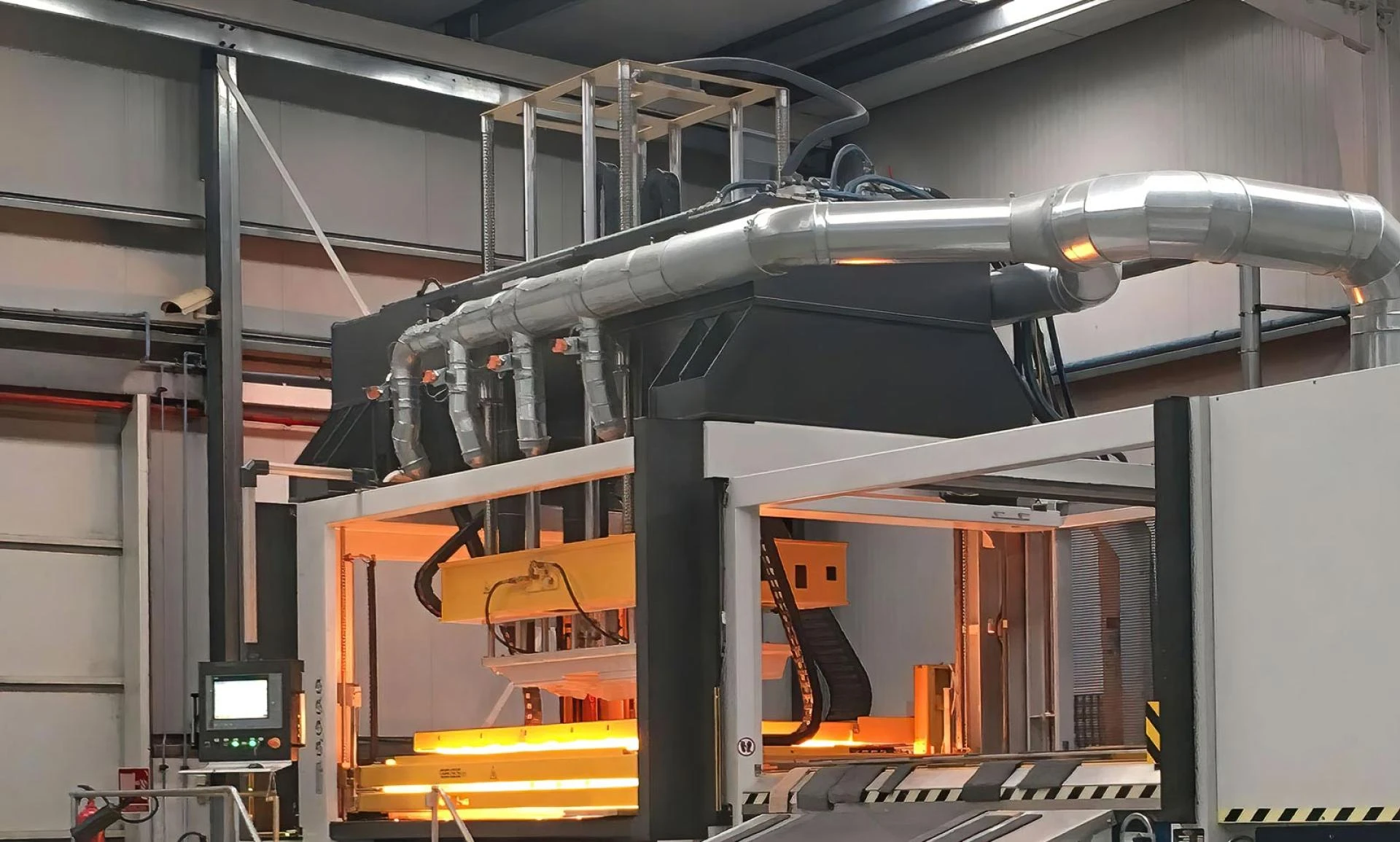
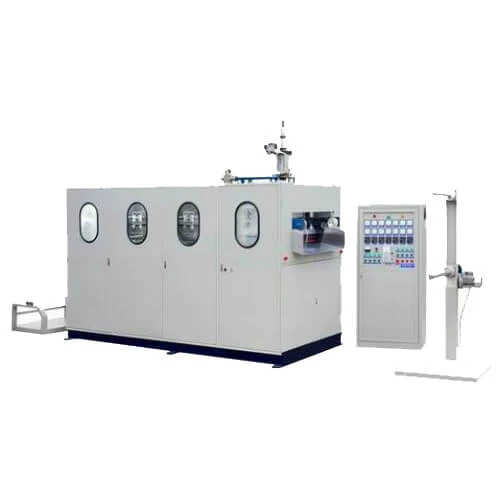
A Twin Sheet Thermoforming Machine forms two separate plastic sheets simultaneously. These sheets are heated, molded, and fused inside a matched mold set—creating a hollow, double-walled, and often load-bearing product with precise geometry and excellent mechanical properties.
Unlike single-sheet thermoforming, twin sheet technology enables manufacturers to:
- Create complex shapes with internal cavities
- Integrate structural reinforcements
- Encapsulate components like insulation or cables
- Improve soundproofing and strength without injection molding or welding
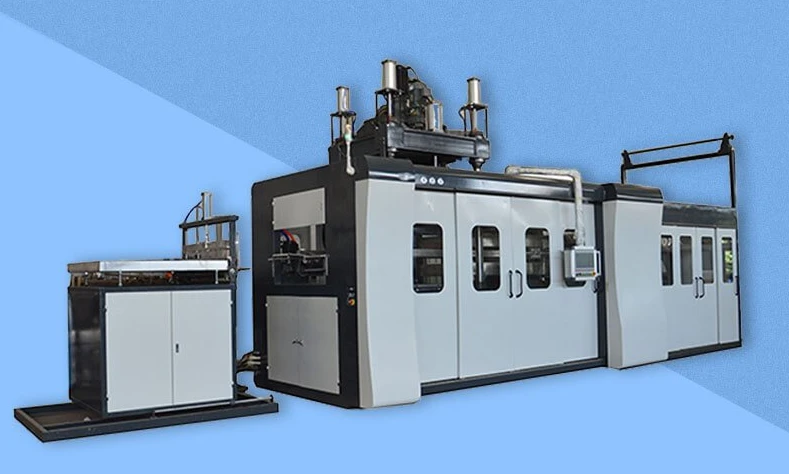
Key Components of a Twin Sheet Thermoforming Machine
- Dual heating ovens (one for each sheet)
- Top and bottom molds
- Vacuum and pressure forming stations
- Sheet clamping and positioning systems
- Cooling and trimming stations
- Optional robotic or automated stacking units
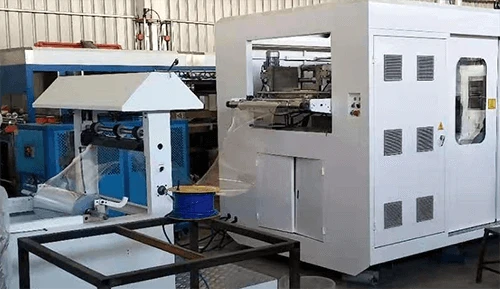
At Shanghai Zhanshi, we equip our twin sheet thermoforming machines with PLC systems, servo-controls, and energy-efficient heaters for exceptional control and performance.
Advantages of Twin Sheet Thermoforming Machines in High-Productivity Environments
A well-optimized twin sheet thermoforming production line brings multiple competitive advantages:
- Shorter cycle times for complex, hollow parts
- Lower tooling costs compared to injection molding
- Lightweight yet durable product output
- Ability to form large parts at lower volumes
- Customization of wall thickness and geometry
- High automation potential reducing labor dependency
Key Strategies to Optimize Productivity
Now that we understand the fundamentals, let's explore actionable steps you can take to boost productivity with a twin sheet thermoforming machine.
Optimize Machine Setup Time
Reduction in setup time directly enhances output. Here's how:
- Use pre-programmed recipes: Sophisticated machines from Shanghai Zhanshi allow saving and loading mold-specific parameters.
- Quick mold-change systems: Invest in hydraulic or quick-release systems to minimize downtime during format changes.
- Centralized control: An intuitive HMI interface makes parameter setting faster and reduces operator errors.
Streamline Material Handling
Handling the thermoplastic sheets efficiently is crucial before they're heated and formed.
- Install automatic sheet feeders: Reduce manual loading time and improve alignment precision.
- Use rollers and conveyors: For pre- and post-forming sheet movement, reducing labor while increasing safety.
- Choose optimal sheet thickness: Balance material cost with structural requirements—thicker isn't always better.
Invest in Smart Heating Technologies
Heating accounts for a significant portion of the cycle time in twin sheet thermoforming.
- Segmented ceramic IR heaters: Allow zone-based control for uniform heating, reducing wasted energy.
- Automatic sheet temperature sensing: Ensures consistent sheet softening and reduces rejections.
- Preheating routines during idle times: Maintain heaters at standby temperature between cycles for a faster start.
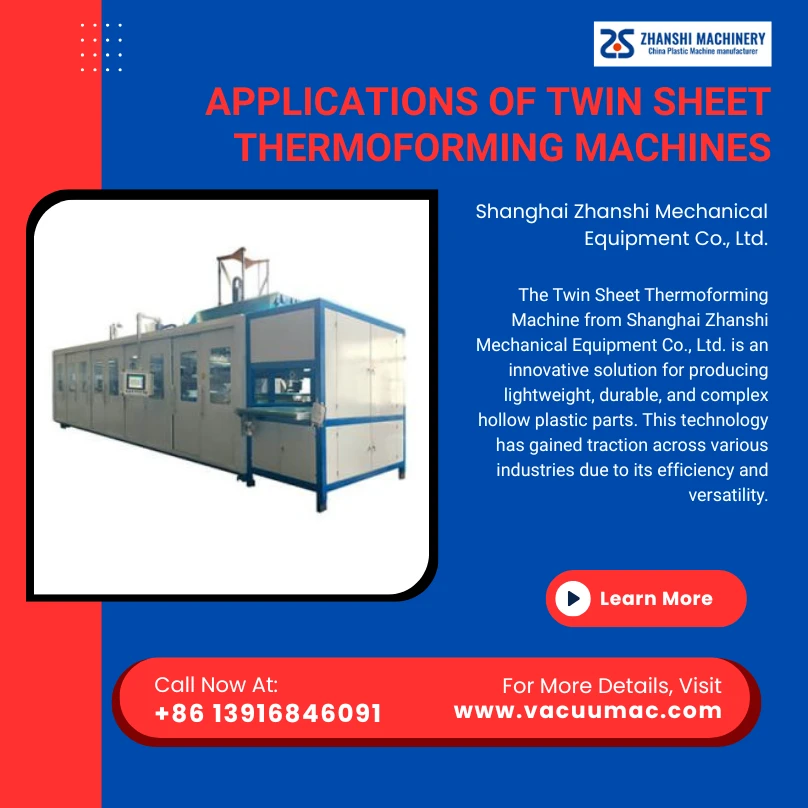
Also Read: Applications of Twin Sheet Thermoforming Machines
Minimize Cooling Time
Efficient cooling allows faster demolding and increases productivity.
- Use water-cooled mold plates: Helps achieve uniform part cooling and reduces cycle delay.
- Optimize mold design: Avoid deep or heavily ribbed profiles that delay cooling.
- Integrate air-blast or vacuum-assisted rapid cooling in high-speed setups.
Automate Trimming and Stacking
Post-forming operations like trimming, punching, and stacking often become bottlenecks in production.
- Use CNC robotic trimmers for complex parts.
- Deploy robotic arms or gantry systems for stacking.
- Implement vision systems for automatic quality inspection and rejection sorting.
Monitor and Analyze Machine Data
- Install IoT connectivity to track performance metrics in real time.
- Log machine cycle time, downtime, and scrap rates.
- Use this data to optimize cycles and feed it back into training programs.
Material Choice & Sheet Pairing Techniques
An overlooked factor in productivity is material efficiency. Proper pairing of plastic sheets enhances fusion, formability, and consistency.
Best Material Choices for Twin Sheet Thermoforming Machine:
- HDPE – High durability and chemical resistance.
- ABS – Great for automotive and appliance applications.
- HMWPE – Excellent for forming large parts like tanks or pallets.
- TPO – Thermoplastic polyolefin, UV-resistant for outdoor products.
- Recycled plastics – Popular in 2025 for sustainable solutions.
Tip: Ensure both sheets are from the same material family for optimal fuse bonding and shrinkage control.
Real-World Applications & Case Studies
The versatility of Twin Sheet Thermoforming Machines allows their use in a wide range of industries:
- Automotive: Door panels, trunk liners, underbody shields
- Logistics: Reusable pallets, bins, dunnage trays
- Aerospace: Lightweight internal panels and structural parts
- Healthcare: Mobility aids, hospital bed panels
- Consumer Goods: Outdoor furniture, toolboxes, cases
A Shenzhen-based EV startup recently increased its production output by 35% after upgrading to a Shanghai Zhanshi twin sheet system—proving the impact of smart machinery on growth.
Maintenance & Preventive Care for Sustained Productivity
To ensure consistent output:
- Clean molds regularly with anti-static and anti-dust sprays.
- Calibrate heating zones monthly.
- Inspect vacuum lines and seal integrity weekly.
- Lubricate all linear actuators and servo elements per OEM guide.
Shanghai Zhanshi Mechanical Equipment Co., Ltd. offers custom preventive maintenance schedules, remote diagnostics, and on-site technician training for maximum uptime.
Optimize for Performance, Scale for Success
A Twin Sheet Thermoforming Machine offers a powerful combination of flexibility, durability, and cost-effectiveness in modern plastic manufacturing. But owning a machine is just the first step—the real key to unlocking value lies in optimizing productivity across every production phase.
FAQs — Frequently Asked Questions
Q1: How many parts can I produce per hour with a Twin Sheet Thermoforming Machine?
This depends on the size/complexity of the part, heating/cooling times, and machine speed. On average, mid-tier machines produce 80–150 parts per hour, with high-speed systems reaching 300+.
Q2: Can I integrate my existing CNC trimming equipment with a Shanghai Zhanshi machine?
Yes. Our equipment supports plug-and-play integration with standard CNC systems, and we offer tech support for machine interfacing.
Q3: What is the average ROI period for a Twin Sheet Thermoforming Machine?
Most clients see ROI within 12–24 months, especially those operating in industrial packaging, automotive, or logistic supply chains.
Q4: Can your machines handle recycled or multi-layer sheets?
Absolutely. Our models are compatible with recycled, virgin, and multi-layer composite thermoplastics, provided they are pre-qualified during machine setup.
Q5: Do you offer remote monitoring and control features?
Yes. Our premium models come equipped with IoT connectivity, allowing remote access, troubleshooting, and performance monitoring through mobile or desktop dashboards.


























Sign in to leave a comment.