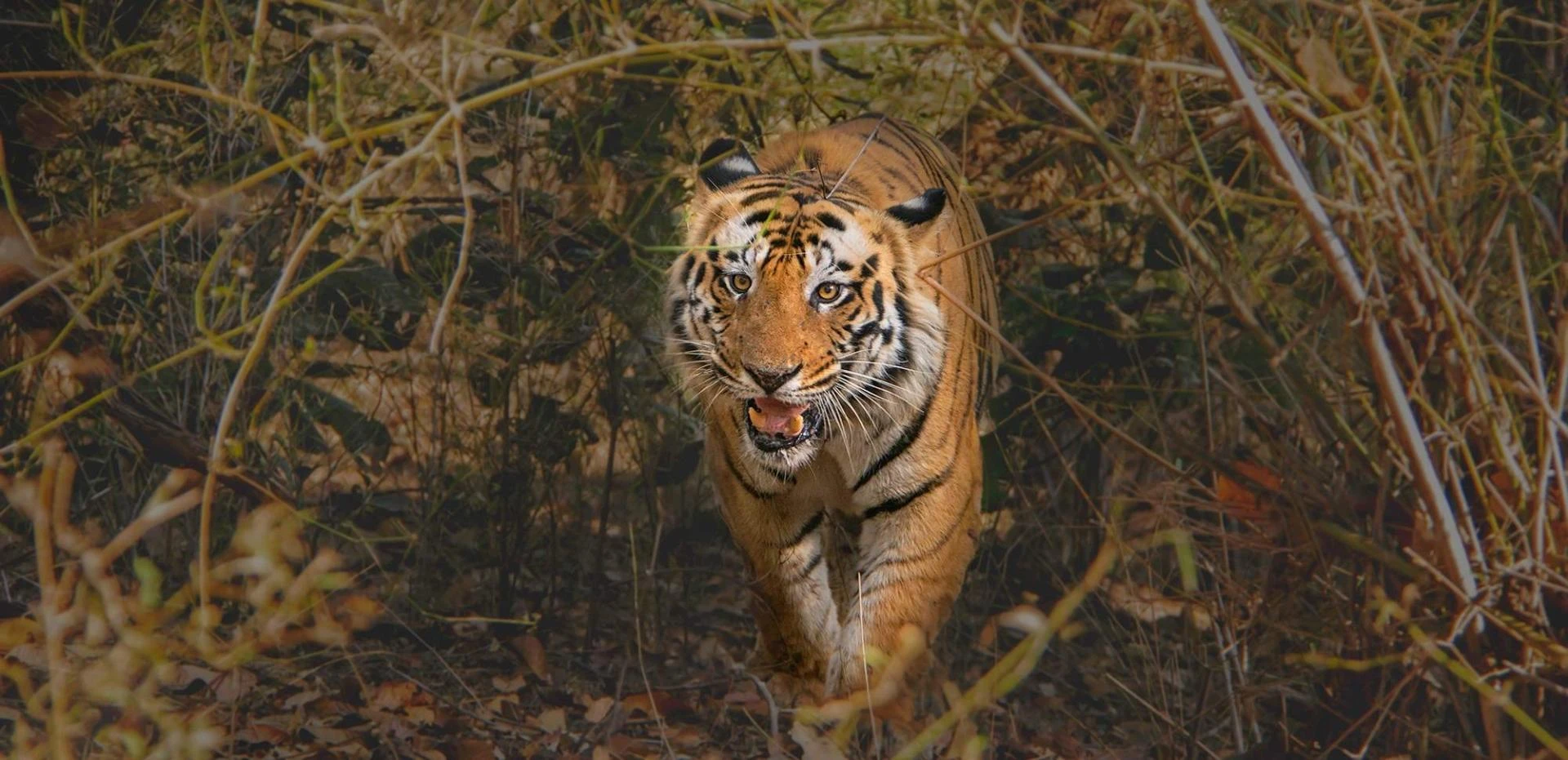
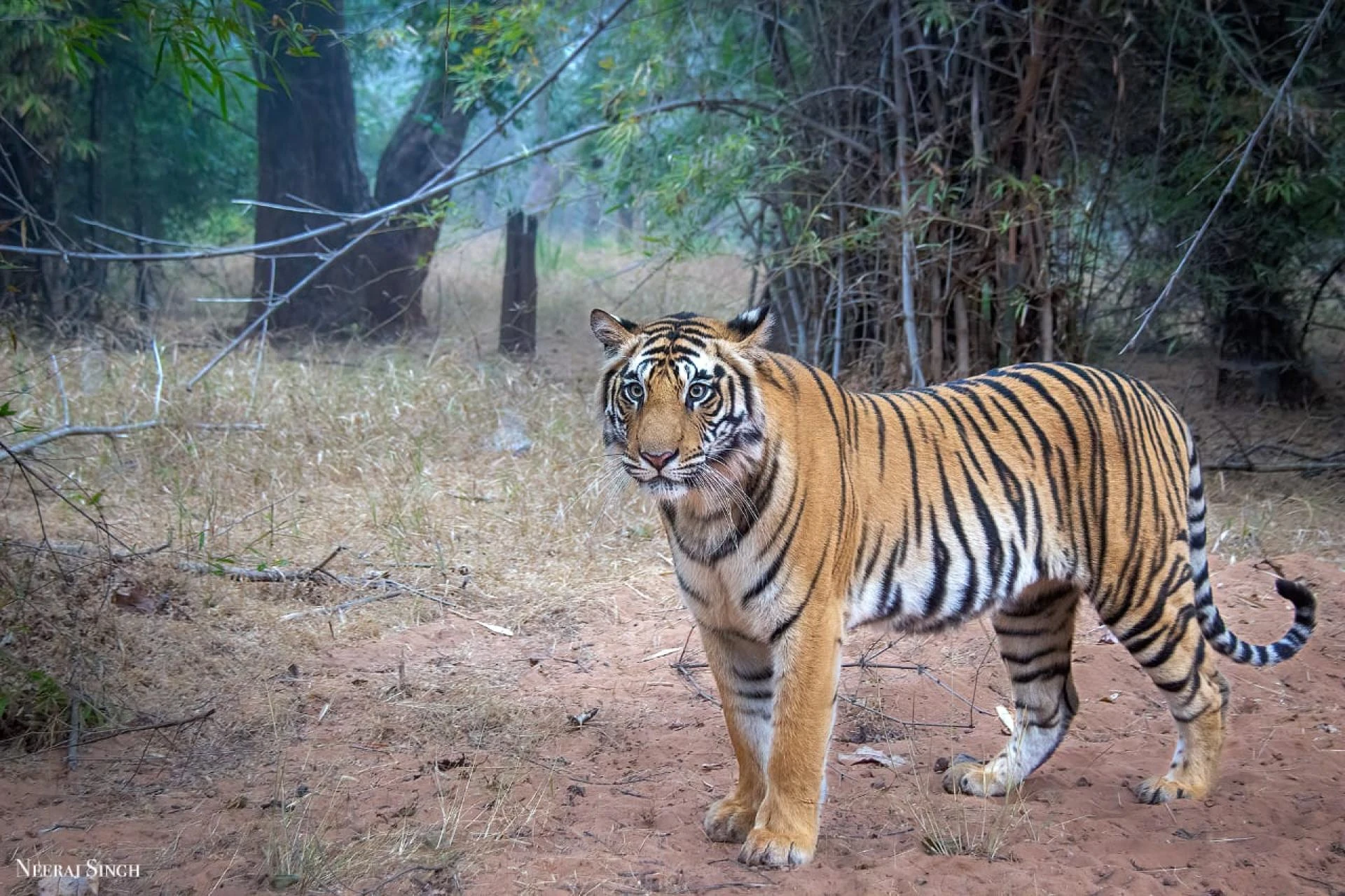
Planning a tiger safari in India is an exciting adventure. Seeing a tiger in the wild is a thrilling experience, and India is one of the best places in the world to do it. With over 3,000 tigers living in India’s forests, the country offers many national parks and reserves where you can spot these majestic animals. This guide is written in simple words to help anyone plan a perfect Wildlife Safari Tour for the 2025-26 season.
Why Choose India for a Tiger Safari?
India is home to about 70% of the world’s wild tigers. The country has more than 50 tiger reserves, and many of them are open to tourists. These parks are carefully protected to keep tigers safe, and they offer a chance to see not just tigers but also other animals like leopards, elephants, deer, and birds. A tiger safari is a mix of adventure, nature, and learning about wildlife conservation.
Best Time to Go on a Tiger Safari
The best time for a tiger safari in India is between October and June. This is when most tiger reserves are open, and the weather is good for spotting animals. Here’s a quick breakdown:
- October to February: Cool and pleasant weather. Animals are active, and it’s a great time for photography.
- March to June: Hotter months, but tigers are easier to spot because they come to waterholes to drink.
- July to September: Most parks are closed due to the monsoon (rainy season). Check if your chosen park is open.
Plan your trip during these months for the best experience.
Top Tiger Reserves in India for 2025-26
India has many tiger reserves, but here are some of the best ones where you’re likely to see tigers:
- Ranthambore National Park (Rajasthan)
- Famous for its beautiful landscapes and high tiger sightings.
- Easy to reach from Jaipur or Delhi.
- Best for: Beginners and photographers.
2. Jim Corbett National Park (Uttarakhand)
- India’s oldest national park, known for its scenic beauty.
- Offers a variety of safari zones.
- Best for: Families and nature lovers.
- Bandhavgarh National Park (Madhya Pradesh)
- Has one of the highest tiger densities in India.
- Great for seeing tigers up close.
- Best for: Serious wildlife enthusiasts.
- Kanha National Park (Madhya Pradesh)
- Inspired the setting for “The Jungle Book.”
- Beautiful forests and meadows with good tiger sightings.
- Best for: A peaceful safari experience.
- Tadoba Andhari Tiger Reserve (Maharashtra)
- Less crowded and great for tiger sightings.
- Known for its dense forests and lakes.
- Best for: Offbeat safari adventures.
Each park has its own charm, so choose one based on your location, budget, and preferences.
How to Plan Your Tiger Safari
Follow these simple steps to plan your tiger safari:
1. Choose Your Tiger Reserve
Pick a national park based on where you’re traveling from and what you want to see. Research the park’s tiger population and safari zones. For example, Ranthambore is great for first-timers, while Bandhavgarh is ideal for those who really want to see a tiger.
2. Book Your Safari in Advance
Safaris need to be booked early because permits are limited. Here’s how:
- Online Booking: Most tiger reserves have official websites where you can book safari permits. For example, Ranthambore and Corbett have online portals.
- Travel Agencies: Many agencies offer Safari Packages that include permits, guides, and transport.
- Safari Types: Choose between jeep safaris (small groups, better for photography) or canter safaris (larger groups, cheaper).
- Book at least 2-3 months in advance for popular parks like Ranthambore or Bandhavgarh.
3. Decide How Many Safaris to Do
To increase your chances of seeing a tiger, book at least 2-3 safaris in different zones of the park. Morning safaris (starting around 6 AM) are best because tigers are more active then. Afternoon safaris are also good, especially in hotter months.
4. Choose Your Accommodation
Most tiger reserves have hotels, resorts, or forest rest houses nearby. Options include:
- Budget: Forest rest houses or budget hotels (₹1,000-₹3,000 per night).
- Mid-range: Resorts with basic amenities (₹3,000-₹8,000 per night).
- Luxury: High-end lodges with great views and services (₹10,000+ per night).
- Book your stay early, especially during peak season (November to April).
5. Pack the Right Things
Pack light but smart for your safari:
- Clothes: Wear neutral colors like green, brown, or beige to blend with nature. Bring a hat and sunglasses.
- Gear: A good pair of binoculars and a camera with a zoom lens for wildlife photography.
- Essentials: Sunscreen, insect repellent, water bottle, and snacks for the safari.
- Documents: Carry your ID and safari permit (printed or digital).
6. Arrange Travel to the Park
Most tiger reserves are near major cities or towns. For example:
- Ranthambore: Fly to Jaipur (3-4 hours by road) or take a train to Sawai Madhopur.
- Jim Corbett: Drive from Delhi (5-6 hours) or take a train to Ramnagar.
- Bandhavgarh: Fly to Jabalpur (4-5 hours by road) or take a train to Umaria.
- Check train or flight schedules and book early for cheaper rates.
7. Follow Safari Rules
To ensure a safe and enjoyable safari:
- Listen to your guide and driver.
- Don’t make loud noises or disturb animals.
- Stay inside the vehicle at all times.
- Don’t litter in the park.
How Much Will It Cost?
The cost of a tiger safari depends on the park, safari type, and accommodation. Here’s a rough estimate for 2025-26:
- Safari Permit: ₹1,500-₹3,000 per person per safari (jeep or canter).
- Guide and Vehicle: ₹2,000-₹5,000 per safari (shared or private).
- Accommodation: ₹1,000-₹15,000 per night, depending on the type.
- Travel: ₹2,000-₹10,000 for flights or trains to the park.
- A 3-day trip with 2-3 safaris can cost ₹15,000-₹50,000 per person, depending on your choices.
Tips for a Great Tiger Safari Experience
- Be Patient: Tigers are wild animals, and sightings are not guaranteed. Enjoy the forest and other wildlife too.
- Hire a Good Guide: A knowledgeable guide can make a big difference in spotting tigers and learning about the park.
- Go for Multiple Safaris: More safaris mean better chances of seeing a tiger.
- Respect Nature: Follow park rules to protect wildlife and keep the forest clean.
- Learn About Tigers: Read about tiger behavior and conservation to make your trip more meaningful.
Conservation and Responsible Tourism
Tigers are endangered, and India works hard to protect them through programs like Project Tiger. When you go on a safari, you support these efforts. Choose eco-friendly resorts and operators that care about conservation. Avoid parks or tours that harm the environment or disturb animals.
Final Thoughts
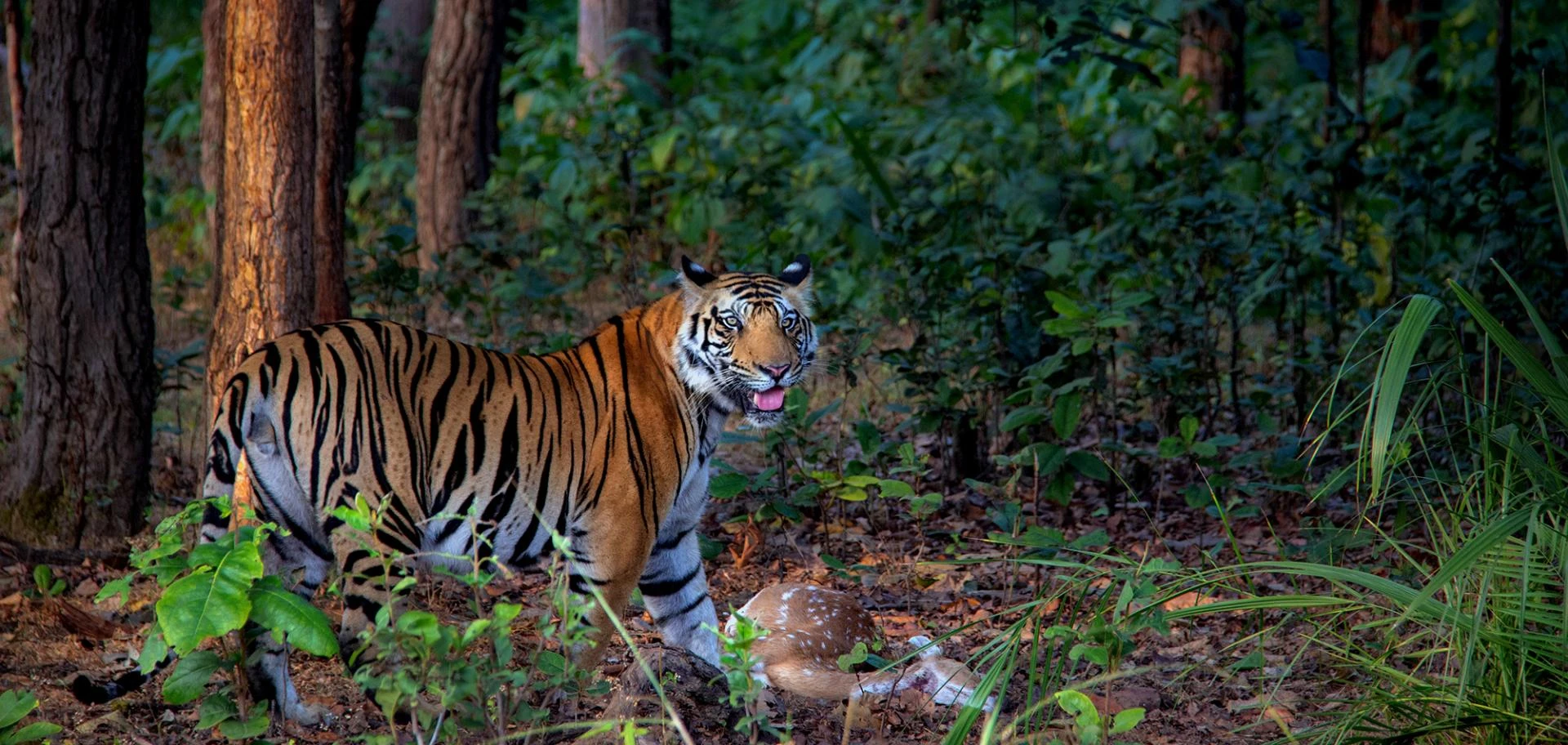
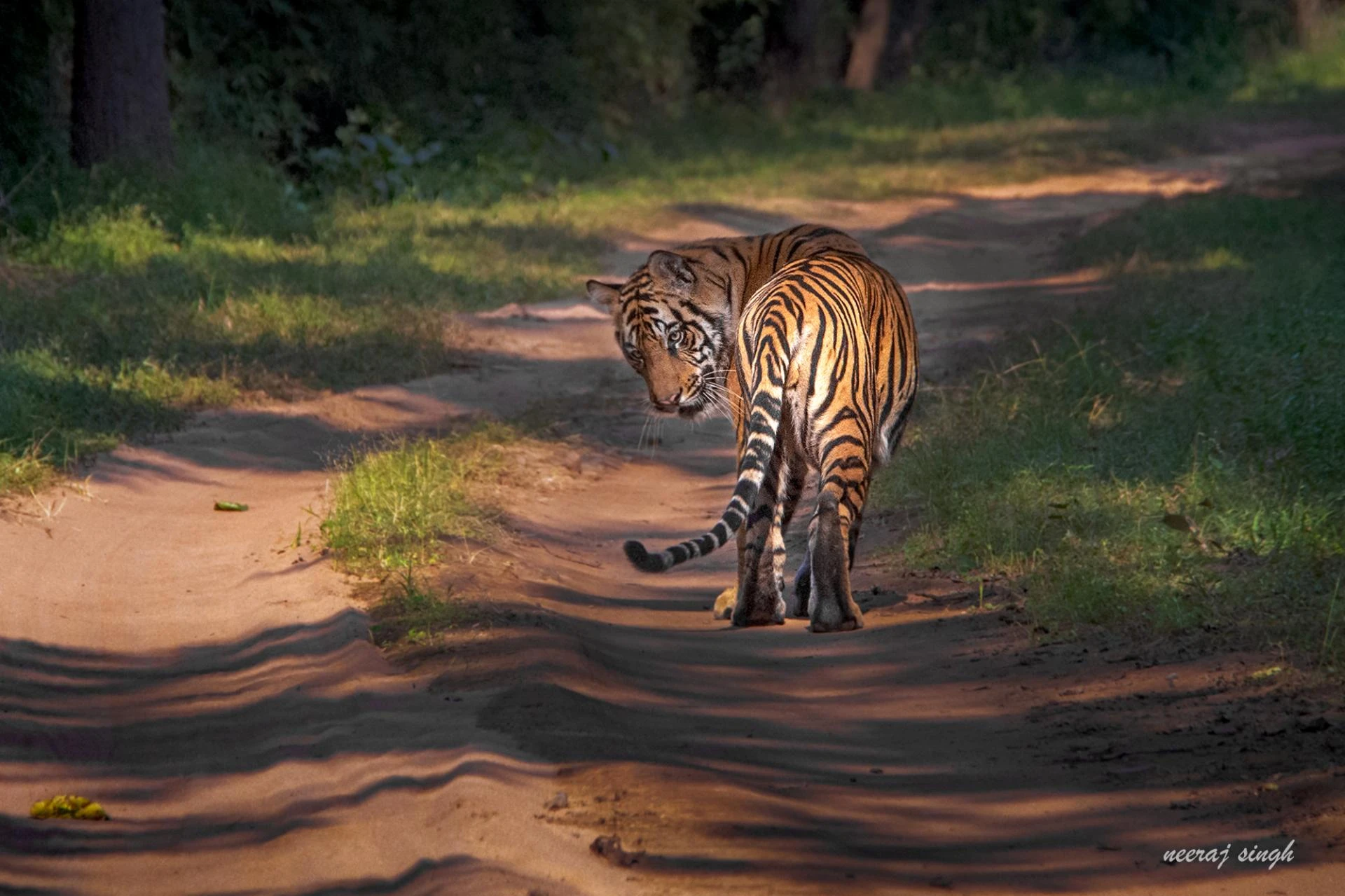
A Tiger Safari in India is a once-in-a-lifetime experience. With good planning, you can enjoy the thrill of seeing a tiger in its natural habitat while exploring India’s beautiful forests. Start planning early, choose the right park, and follow this guide to make your 2025-26 tiger safari unforgettable!


























Sign in to leave a comment.