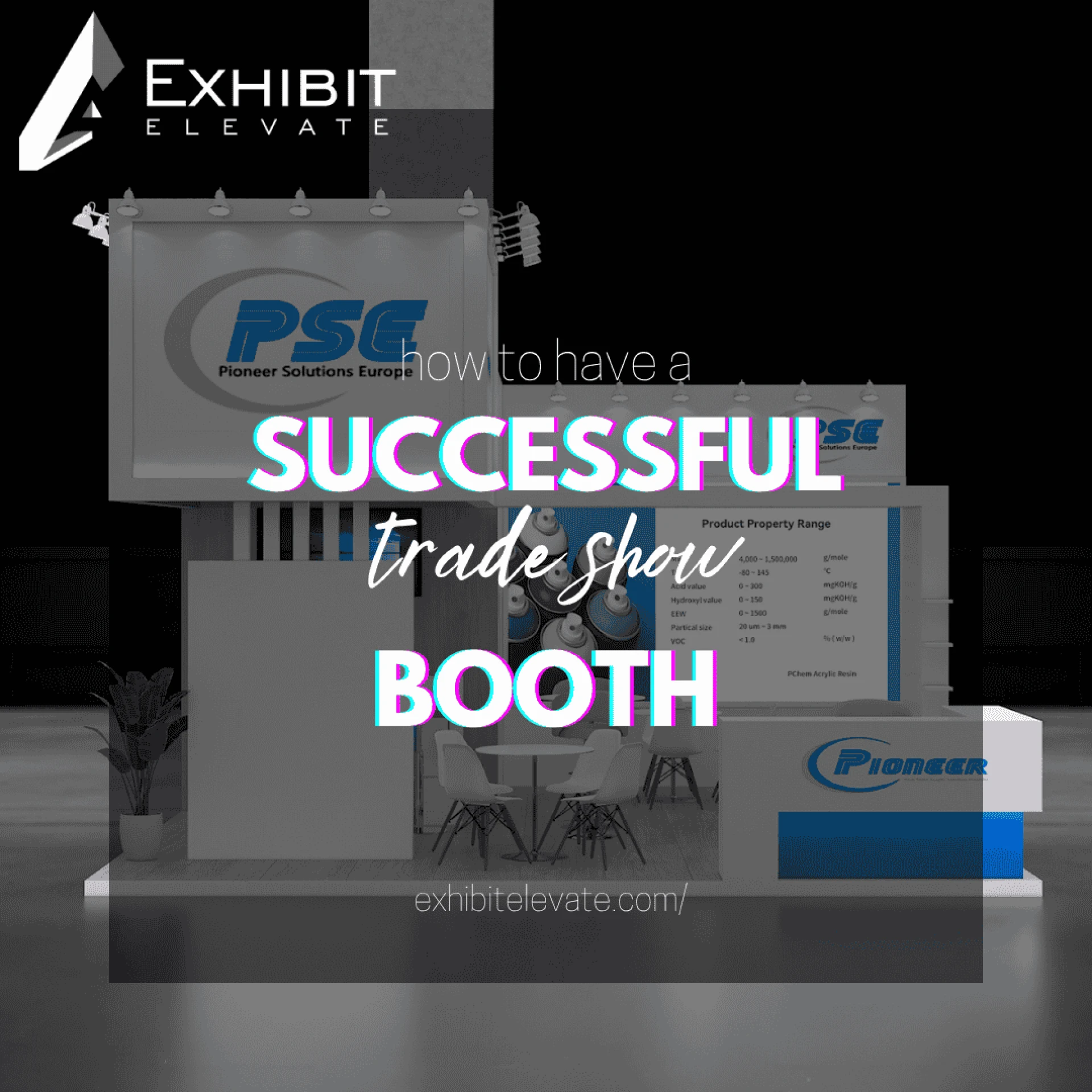

Trade shows are a great way for businesses to show off their goods, get their name out there, and meet new clients and industry professionals. However, every successful trade show has a plan that is well-organized. If you're hosting a trade show or exhibiting at one, you need to plan ahead to make sure everything goes well.
We'll show you how to plan a trade show step by step in this guide. We'll cover everything from getting ready for the event to following up after it. We'll also talk about important things like how to set up a trade show booth, how to market your business, and how to design your booth.
Why it matters to plan a trade show?
It takes months of planning to put on a trade show. A trade show that isn't well organized can cost money, miss out on opportunities, and leave a bad impression on attendees. A well-planned trade show, on the other hand, can boost brand awareness, bring in high-quality leads, and make useful connections in the industry.
A good plan will help you reach your goals and make your trade show booth experience better, whether you're an organizer or an exhibitor.
1. Set your goals for the trade show
The first thing you need to do when planning a trade show is to clearly state your goals before you get into the details. Are you going to launch a new product, get qualified sales leads, raise brand awareness, or meet potential partners and investors? Your goals will help you make decisions about everything, from how to design your booth and what to say to trade show marketing ideas and activities on the show floor. Clearly defined goals also keep your team on the same page and make sure you spend your time, money, and resources where they will do the most good.
2. Make a budget that makes sense
A well-organized budget is necessary for planning a successful trade show. Costs can add up quickly, from renting and designing a booth to traveling, staying in a hotel, buying promotional items, and setting up the booth at the trade show. First, figure out how much money you have to spend. Then, divide that amount into groups, such as space rental, design and graphics, staffing, technology needs, and post-event campaigns. Always set aside money for unexpected costs. You can get the most out of your investment and stay in control of it by making a budget.
3. Pick the Right Trade Show
Your brand won't fit in with every trade show. Choosing the right event means finding one that fits your industry, gets to your target audience, and has a good chance of generating leads or getting your brand out there. Look at things like the size, location, and timing of the event, as well as the demographics of the audience and reviews of the exhibitors. Look at trade show success stories in your niche and research attendee metrics from past years. Choosing the right event greatly increases your chances of having a successful trade show booth experience.
4. Book your booth space early
The location of your booth can have a big effect on how well you do. As soon as you know what event you want to go to, book your booth space. Booking early not only gives you more choices, but it also makes it more likely that you'll get a spot with a lot of foot traffic. Try to get booths close to entrances, corners, or main aisles, but stay away from places close to bathrooms or exits. A good booth location can make your trade show booth design and display ideas work better by making them more visible and drawing more people to your booth.
5. Make a good trade show booth design
The way you set up your booth is often the first thing people see, so make it count. A good trade show booth design should be easy to find, match your brand, and catch people's attention. Use big, easy-to-read signs, brand colors that are always the same, and short messages. Use touchscreens or live product demos to make the event more interesting for attendees. A space that is more inviting also has good lighting, an open layout, and displays that aren't too cluttered. Look into modular systems or portable backdrops that are easy to set up and use again. Creative trade show display ideas can help you stand out from the crowd and get people to come.
6. Make a plan for how to set up your trade show booth.
Setting up a booth takes careful planning and attention to detail. Check shipping dates, venue access rules, and delivery dates well before the event. Make a list of things to do and give each team member a specific job to do when setting up and taking down. Check all electronics, lights, and product displays ahead of time. Have all of your tools and backup supplies ready. Setting up your trade show booth in an organized and smooth way makes sure you're ready to go when the doors open and keeps you from making mistakes or wasting time on the show floor.
7. Tell people about your presence before the event
Long before the event, you need to start marketing for the trade show. Send out email newsletters, post on social media, put up banners on your website, and reach out to people directly to let them know you're going. Let your audience see bits and pieces of your booth design or the product you'll be showing off. Ask your current leads, clients, or partners to come to your booth. Running contests, giveaways, or scheduled meetings before the event can also help get people excited. A strong marketing push before the show makes sure you don't have to rely only on foot traffic to get people interested.
8. Teach your booth staff how to do their jobs.
Your staff is the face of your brand on the floor. Your team needs to be ready, or even the best-designed booth won't work. Make sure your employees know everything about your brand story, product features, target audience, and how to get people to interact with you. Urge them to be friendly, professional, and excited. Show them how to qualify leads, start conversations, and make quick, interesting pitches. Make sure everyone knows what their job is by giving them roles like greeter, demo leader, and lead collector. To run a successful trade show booth, you need a team that knows what they're doing and has been trained well.
9. Get people interested in your trade show display ideas
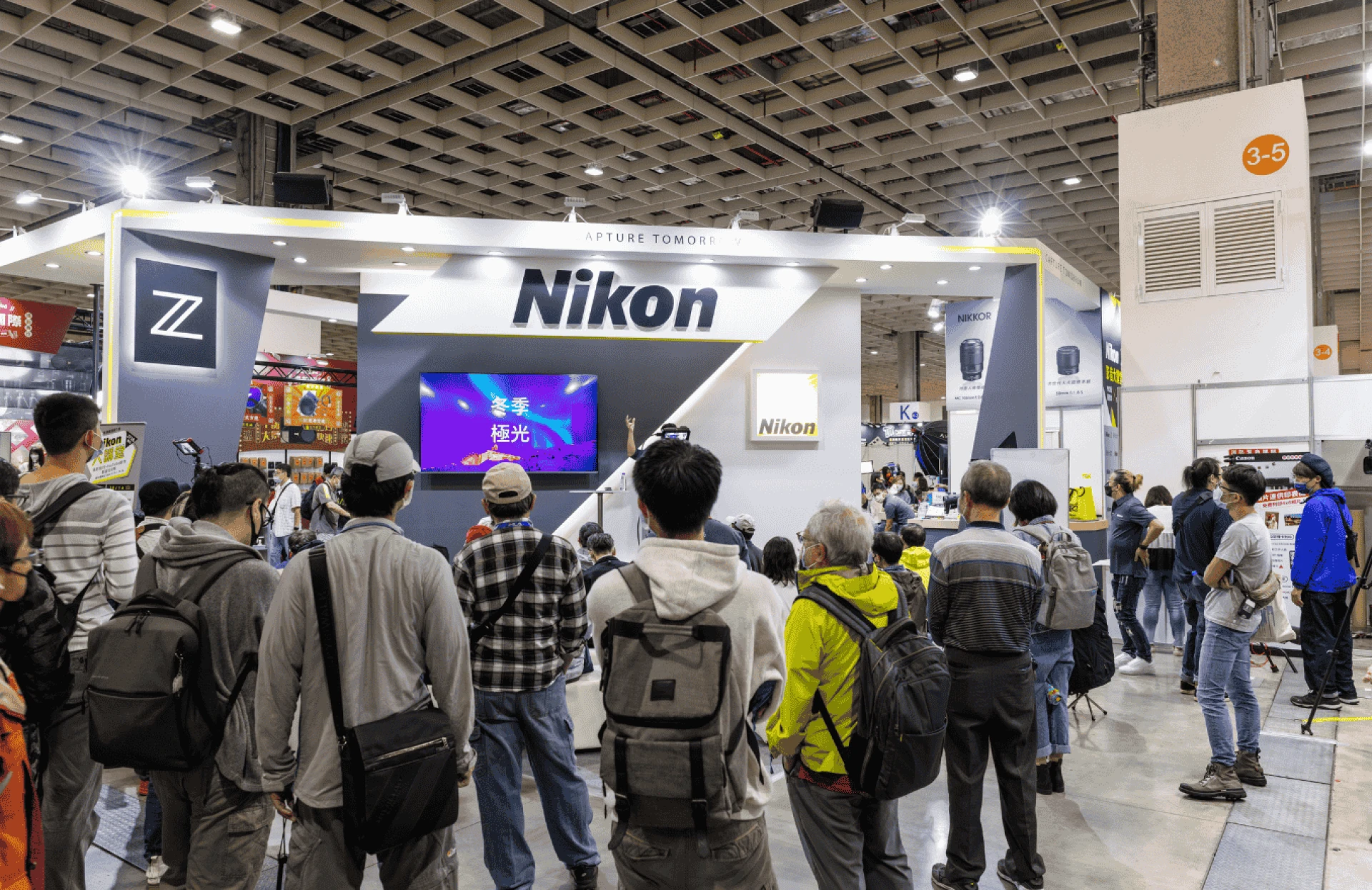
You need to stand out quickly at trade shows because they are busy and fast-paced. Creative trade show displays help get people to come and keep them interested. Use live demos, branded photo backdrops, touchscreens, virtual reality experiences, or contests to make interactions that people will remember. People are more likely to stop by and stay longer if you give them small perks like free stuff, snacks, or places to charge their phones. Just make sure that everything you show off fits with your brand message and doesn't get in the way of your goals. A well-thought-out and interactive design can greatly increase the number of people who visit and interact with your booth.
10. Get leads and handle them well
One of the main reasons to go to a trade show is to get leads, so don't leave it to chance. Use digital tools like apps that work with CRM, lead capture forms, or badge scanners to quickly and accurately get information from attendees. QR codes that lead to booking pages or product brochures are also useful. Keep a paper copy on hand in case something goes wrong with your technology. Teach your team how to qualify leads and mark them for follow-up. Organized lead capture makes it easy to turn interest into sales quickly.
11. After the Event, Follow Up
The work doesn't stop when the trade show ends. It's very important to follow up on time to make the most of the connections you made. Send emails thanking visitors and set up follow-up calls or meetings with leads who are likely to buy. To reach more people, post event highlights or testimonials on your website and social media. Put the data you collected into your CRM and start sending targeted emails or content to leads to keep them interested. A structured follow-up process turns leads from trade shows into long-term customers and gets you the most out of your event.
12. Find out how well you're doing
Finally, look at how well you did to make your trade show plans better for the next time. Go back to your original goals and look at results like the number of leads generated, qualified prospects, booth traffic, and social media activity. You can keep track of your return on investment (ROI) by looking at how much you spent compared to how many deals you closed or appointments you made. Use these ideas to find out what you're good at and what you could do better. Getting feedback from your team also helps you improve the design, setup, and messaging of your booth. Regular reviews make sure that each trade show is better than the one before it.
Last Thoughts
It takes time, work, and attention to detail to plan a trade show, but the benefits can be big. If you follow the right steps, whether you're an event planner or an exhibitor, you'll be able to reach your goals, stand out from the crowd, and make the most of every chance.
You can make a professional and successful trade show booth that gets people talking, brings in leads, and builds lasting relationships by following smart trade show booth tips, creative display ideas, and tried-and-true trade show marketing strategies.
Do you need help with your next trade show?
Don't forget how important great design and engagement are. Start planning early and keep your goals in mind. If you do things the right way, your next trade show booth could be your best one yet.





















Sign in to leave a comment.