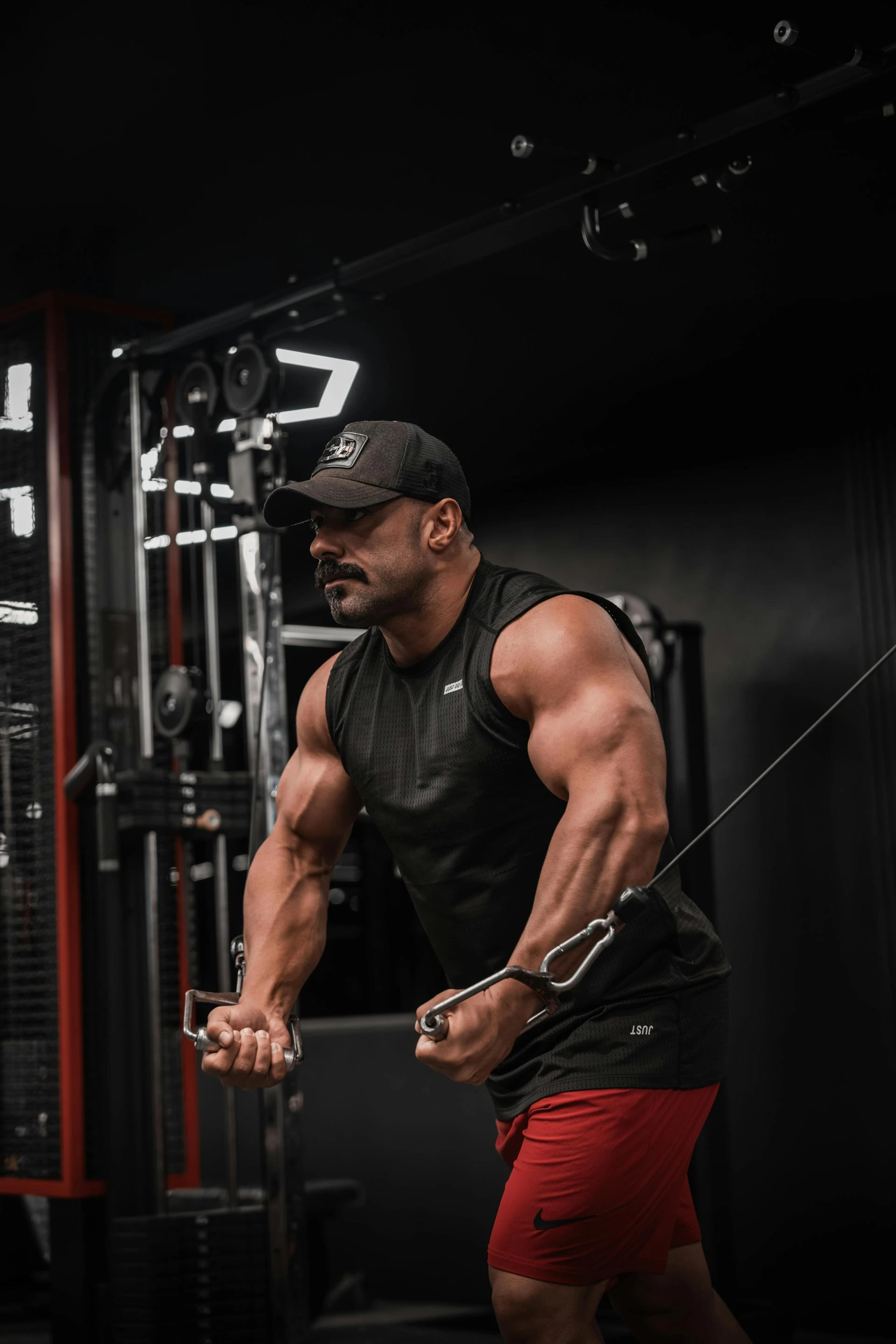

Running a fitness facility comes with many responsibilities, and one of the most overlooked yet crucial tasks is ensuring that your fitness equipment is powered and maintained properly. Whether you manage a bustling gym, boutique studio, or hotel fitness center, consistent performance and the safety of your machines are essential. Let’s dive into the key steps to power and maintain your fitness equipment so your business runs smoothly.
Choose the Right SLA Batteries for Your Equipment
Many fitness machines, especially stationary bikes, treadmills, and elliptical trainers, rely on SLA batteries (sealed lead-acid batteries) for backup power and operation. These batteries offer long service life, dependable performance, and minimal maintenance. When selecting SLAs, it’s vital to match the battery specifications with the equipment manufacturer’s requirements.
Routine checks can prevent battery failure during peak gym hours. Proper installation and regular charging will keep these batteries functioning efficiently. When your equipment consistently delivers high performance, your members remain satisfied and safe.
Clean and Inspect Equipment Regularly
A clean gym is a safe gym. Dust, sweat, and grime can quickly build up on equipment, leading to premature wear and potential malfunction. Daily cleaning of machines, especially touchpoints like handles, screens, and seats, reduces bacteria spread and enhances member satisfaction.
In addition to cleaning, conduct regular inspections:
- Check cables and pulleys for fraying
- Tighten loose bolts and screws
- Ensure emergency stop buttons are functional
- Test digital screens and displays
Documenting inspections can help prevent costly breakdowns and keep your gym running without interruption.
Schedule Preventive Maintenance
Preventive maintenance is more cost-effective than emergency repairs. A structured maintenance program minimizes downtime, extends the life of equipment, and avoids major repair expenses. Most manufacturers provide maintenance schedules tailored to each machine.
Examples of preventive tasks include:
- Lubricating treadmill belts
- Replacing worn pedals on stationary bikes
- Inspecting belts and chains for tension and wear
- Checking battery life to ensure machines don’t unexpectedly lose power
A proactive approach keeps your facility in top shape and your members happy.
Train Staff on Equipment Use and Troubleshooting
Educated staff can detect minor issues before they become big. Training your team on how to use equipment and spot early signs of malfunction can save your business time and money.
Common signs to look out for include:
- Unusual noises or vibrations
- Resistance issues
- Error messages on digital displays
Having basic troubleshooting protocols in place ensures that small issues are addressed promptly, reducing downtime and preventing further damage.
Build Relationships with Trusted Repair Partners
Even with thorough maintenance, equipment can sometimes fail.
Building relationships with qualified repair professionals allows you to respond quickly when issues arise. If you are considering entering the growing market yourself, equipment repair businesses provide valuable services that gyms and studios depend on.
These partnerships can also provide access to genuine replacement parts and expert advice on prolonging the life of your machines.
Maximize Safety and Compliance
Regular maintenance isn't just about machine performance—it’s about ensuring member safety. Faulty equipment can cause injuries and expose your business to liability.
- Post clear usage instructions
- Regularly calibrate machines
- Keep walkways and equipment areas free of clutter
Monitor and Replace Power Sources Proactively
Monitoring battery health through voltage checks and scheduled replacements minimizes downtime and protects your equipment investment.
Replace batteries that show signs of swelling, leakage, or a consistent drop in performance. Having spare batteries on hand ensures you’re never caught unprepared during busy hours.
Optimize Equipment Layout for Better Member Experience
The layout of your gym plays a major role in member satisfaction and safety.
- Arrange cardio, strength, and flexibility equipment to allow for easy access and flow.
- Keep high-traffic machines closer to entrances, while creating quieter zones for stretching or bodyweight exercises.
- Consider spacing machines to prevent overcrowding and ensure there is adequate room for movement.
An organized gym looks professional, prevents accidents, and boosts member comfort.
Incorporate Member Feedback to Enhance Maintenance
Your members use the equipment daily and can offer valuable insights into its condition. Encourage them to report any unusual noises, performance issues, or safety concerns. Simple suggestion boxes or digital feedback forms make it easy for members to share their input.
Incorporating feedback allows you to address problems proactively and shows members you value their experience.
It also helps prioritize maintenance tasks that improve overall satisfaction and loyalty.
Start a Fitness Equipment Repair Business to Meet Demand
Starting a fitness equipment repair business can be a profitable and rewarding venture. Gyms, corporate wellness centers, hotels, and apartment complexes all require regular servicing of their machines. An equipment repair business typically provides preventive maintenance, emergency repairs, parts replacement, and even consultation on proper equipment care.
If you’re passionate about fitness and have technical skills or a team with expertise, this business model offers strong growth potential.
Wrapping Up: A Strong Foundation for Your Fitness Facility
Properly powering and maintaining your gym equipment is critical to running a successful fitness business. From selecting the best SLA batteries and considering the benefits of a fitness equipment repair business to optimizing equipment layout and incorporating member feedback, every detail counts toward delivering a high-quality fitness experience.
































Sign in to leave a comment.