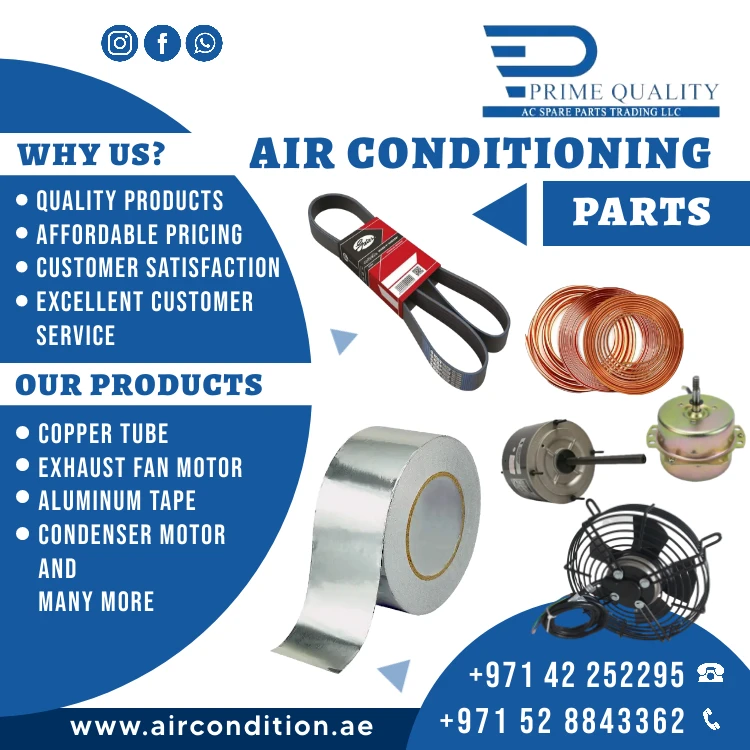

As the scorching summer heat approaches, it becomes essential to ensure that your air conditioning system is in optimal condition to provide you with cool and comfortable indoor environments. To achieve this, it is crucial to understand the various components of your air conditioner and how they contribute to its functionality. In this guide, we will explore the key air conditioner parts and provide valuable tips on how to prepare your system for the impending heat wave. By taking proactive steps to maintain and optimize your air conditioning system, you can enjoy uninterrupted cooling and a pleasant indoor atmosphere throughout the hot summer months. So let's dive into the world of air conditioner parts and learn how to keep your system running efficiently when you need it most.
How to Prepare Your Air Conditioning System for the Heat
Clean or Replace Air Filters:
The air filters in your air conditioning system play a vital role in maintaining clean and healthy indoor air quality. Before the summer season, check and clean or replace the filters as needed. Clogged filters can restrict airflow, reducing the efficiency of your cooling system and potentially leading to mechanical issues.
Clear Debris Around the Outdoor Unit:
The outdoor unit of your air conditioning system can accumulate debris, such as leaves, dirt, or branches. Clear any debris surrounding the unit to ensure proper airflow. A blocked or obstructed outdoor unit can lead to inefficient cooling and strain the system.
Inspect and Clean the Condenser Coils:
Over time, the condenser coils of your air conditioner can collect dirt and dust, reducing their ability to transfer heat effectively. Inspect the coils and clean them using a soft brush or a vacuum cleaner with a brush attachment. This cleaning process will enhance the system's efficiency and prevent overheating.
Check and Clean the Evaporator Coils:
The heat from the interior air is absorbed by the evaporator coils. Inspect and clean these coils to remove any dust or dirt buildup. Dirty evaporator coils can hinder proper heat absorption, leading to decreased cooling efficiency.
Clear Condensate Drainage System:
The condensate drainage system removes the excess moisture produced by your air conditioning system. Ensure that the condensate drain line is free of any clogs or blockages. A clogged drain line can result in water leakage or potential damage to the system.
Test Thermostat Functionality:
The thermostat controls the temperature and operation of your air conditioning system. To make sure the thermostat is operating properly, test it. If you have an older thermostat, consider upgrading to a programmable or smart thermostat for enhanced energy efficiency and control.
Lubricate Moving Parts:
To decrease friction and avoid wear and tear, the moving elements of your air conditioning system, such as the fan motor and blower assembly, need adequate lubrication. Consult the manufacturer's instructions and lubricate these components as directed.
Inspect Electrical Connections:
Inspect the electrical connections of your air conditioning system to ensure they are secure and free from any signs of damage or corrosion. Faulty connections may cause system failures or possibly be dangerous. If you detect any problems, call a competent technician.
Test System Performance:
Before the heat intensifies, run your air conditioning system to test its overall performance. Listen for any unusual sounds, monitor the airflow, and check for proper cooling. If you notice any discrepancies or concerns, contact a qualified HVAC technician for a thorough inspection and necessary repairs.
Schedule Professional Maintenance:
Regular professional maintenance is crucial to keeping your air conditioning system running efficiently and extending its lifespan. Consider scheduling a maintenance visit with a qualified HVAC technician who can inspect, clean, and fine-tune your system for optimal performance.
Preparing your air conditioning system for the heat is essential to ensuring a comfortable and cool indoor environment during hot weather. By following a few simple steps such as cleaning or replacing filters, checking the thermostat, inspecting the outdoor unit, and scheduling professional maintenance, you can maximise the efficiency and performance of your air conditioning system. Taking these proactive measures will not only help you stay cool but also save energy and potentially prevent costly repairs in the long run. So, be proactive, stay cool, and enjoy a refreshing summer with a well-prepared air conditioning system.
























Sign in to leave a comment.