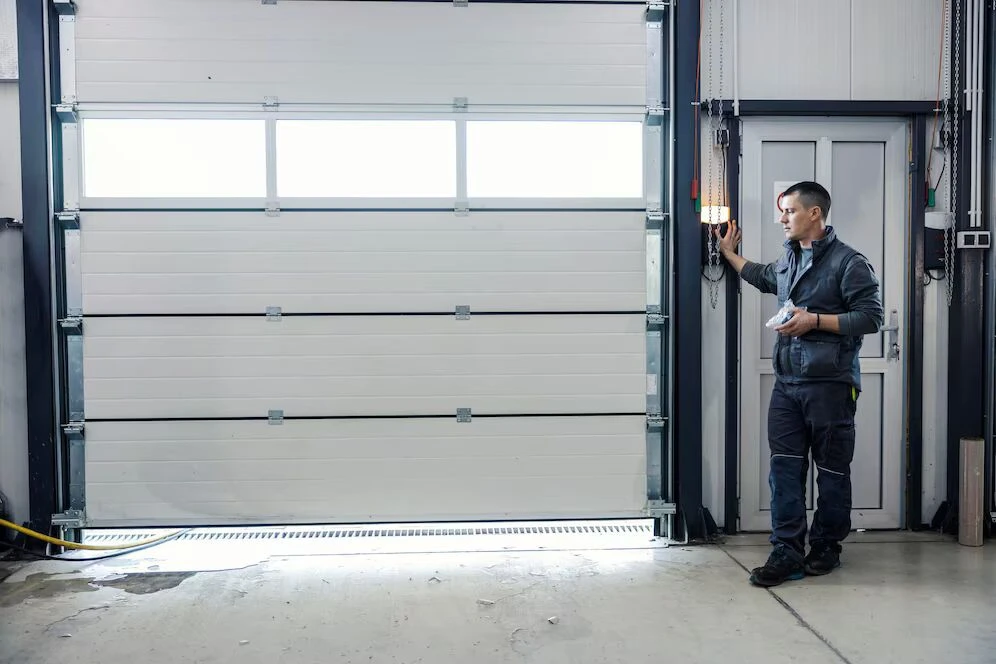

Thinking about a garage door installation? It’s one of those upgrades that makes your whole home feel fresher, safer, and a bit more stylish. But here’s the thing—most homeowners underestimate just how much preparation goes into getting ready for a new garage door.
This guide is here to walk you through it. Whether you’re in Sydney, Melbourne, Brisbane, or a quiet regional town, the steps are largely the same.
By the end, you’ll know exactly how to prepare, what to expect, and even how to avoid those “oops, I should’ve thought of that” moments (yes, like realising the dog is still in the garage when the installers arrive).
Quick Overview: At a Glance
- Garage door installation is more than just swapping old for new. You need to prepare the space, clear access, and check safety.
- The smoother the prep, the faster the installation. Think: moving cars, clearing tools, and measuring twice.
- Professional installers appreciate readiness. It can even save you money if the job runs on schedule.
- Common pitfalls include blocked driveways, forgotten remotes, and surprise electrical issues.
Want the full step-by-step breakdown? Keep reading—we’ve got you covered.
Why Preparation Matters (and Saves You Stress)
Imagine this: your installers show up on time, only to discover your garage is still full of camping gear, half-finished DIY projects, and a rusty lawnmower that hasn’t seen action since 2003. Suddenly, what should’ve been a smooth job turns into a frustrating day.
Proper preparation means:
- Shorter installation time
- Lower chance of damage to your belongings
- Happier installers (which often leads to better service)
- Peace of mind knowing you didn’t forget something important
Pro Tip Box:
Did you know that in Australia, the average garage door installation can take 3–6 hours? Clearing your space properly could shave an hour off that time.
Step 1: Clear the Space Inside and Out
Think of your garage as a stage, and the installers as the actors. They need room to perform.
- Inside the garage: Move out bikes, boxes, tools, and anything within 2–3 metres of the door opening.
- Outside the garage: Park cars on the street or well away from the work area. Don’t be the neighbour who blocks their own tradies.
- Pathways: Ensure clear walking space from driveway to garage for moving parts and tools.
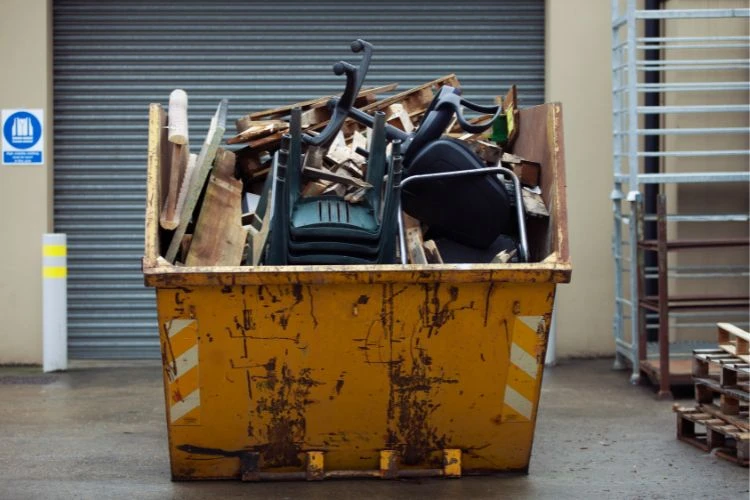
Bit of humour here: If you’ve got a collection of “just in case” furniture pieces stacked against the garage wall, now’s the time to face reality. Spoiler: you won’t use that broken chair “for spare parts.”
Step 2: Measure, Double-Check, and Confirm
Before installation day, you’ll want to make sure everything lines up.
- Measurements: Confirm the width, height, and depth of your garage. Your installer usually checks this, but it doesn’t hurt to know yourself.
- Headroom: Modern garage doors often need extra clearance for tracks and motors.
- Power supply: Make sure there’s an electrical outlet nearby if you’re installing an automatic opener.
Did You Know?
In Australia, most garage door openers run off a standard 240V outlet. If you don’t have one in your garage, you may need an electrician beforehand.
Step 3: Secure Pets and Kids
This one sounds obvious, but you’d be surprised how often installers are dodging kids on scooters or curious Labradors sniffing at their toolboxes.
- Pets: Keep dogs and cats inside or in the backyard away from the work zone.
- Kids: Explain to children that the garage will be a “no-go zone” until the work is done.
Humour alert: Unless you want your cat to become a surprise Instagram star climbing on the new door tracks, keep them well out of sight.
Step 4: Check Your Old Door and Surroundings
Take a few minutes to look at your old garage door and the surrounding structure.
- Damage or rust: Point out any areas to your installer that might need attention.
- Walls and framing: Make sure there aren’t loose bricks or cracked plaster.
- Lighting: Good lighting helps installers work more efficiently.
Step 5: Communicate With Your Installer
A quick conversation goes a long way.
- Confirm the installation time and date.
- Ask about access requirements—will they bring large trucks?
- Clarify whether they will remove and dispose of your old door.
Expert Quote:
“The best installations happen when homeowners prepare their space and ask the right questions. It keeps everyone on the same page and reduces surprises.” – Local Garage Door Technician, Melbourne.
Step 6: Budget and Expectation Check
A new garage door is an investment. Costs vary depending on size, style, and automation.
- Single roller door (manual): From around $800–$1,200 installed.
- Automatic sectional door: $1,500–$3,000 installed.
- Custom timber or insulated doors: $3,000+ depending on design.
Tip: Always get a detailed quote. “Extras” like removal, electrical work, or disposing of your old door may add to the total.
Quick Guide: Avoiding Last-Minute Chaos
The Situation:
You’ve booked your installation, but suddenly realise the night before that the garage is still packed to the roof. Panic sets in.
Common Challenges:
- Forgotten to move the car out of the garage?
- No accessible power outlet for the opener?
- Old door rusted shut and won’t budge?
How to Solve It:
- Clear 48 hours ahead: Don’t leave prep to the last minute.
- Check power early: Book an electrician if needed.
- Test your old door: If it’s jammed, tell your installer beforehand.
Why It Works:
These small steps prevent delays and avoid added costs for emergency fixes on the day.
👉 Need help with your garage door installation? Reach out to a local professional for a smooth, stress-free upgrade.
Interactive Section: Quick Quiz
How Prepared Are You for Garage Door Installation?
- Is your garage completely clear within 2–3 metres of the door?
- Yes
- Not yet
- Do you have a power outlet ready for an automatic opener?
- Yes
- No
- Have you organised where pets and kids will be during the installation?
- Yes
- I’ll figure it out on the day (hint: don’t).
- Have you spoken to your installer about old door removal?
- Yes
- Oops, forgot!
Score:
- 4 Yes = You’re a legend, ready to roll.
- 2–3 Yes = Nearly there, just tie up loose ends.
- 0–1 Yes = Better grab a coffee and start prepping!
FAQs About Garage Door Installation
Q1: How long does garage door installation take in Australia?
Most jobs take between 3–6 hours, depending on the type of door and whether automation is included. Sectional doors can take longer than roller doors.
Q2: Do installers remove the old garage door?
In most cases, yes—but confirm this in your quote. Some companies charge extra for disposal.
Q3: Can I install a garage door myself?
Technically yes, but realistically no. Garage doors are heavy, spring-loaded, and potentially dangerous. DIY can end up costing more if mistakes happen.
Q4: What should I do if my garage doesn’t have power?
You’ll need an electrician to install a power outlet. Many Australians choose to add a dedicated 240V outlet near the opener motor.
Q5: Should I stay home during installation?
Yes. It’s best to be on site in case the installer has questions or needs access.
Conclusion
Preparing your home for a garage door installation doesn’t need to be stressful. With a bit of planning—clearing space, checking power, securing pets, and communicating with your installer—you can make the process quick and painless.
Think of it like hosting a BBQ: if everything’s ready before guests arrive, you can relax and enjoy the results. And in this case, your reward isn’t sausages on the grill—it’s a brand-new garage door that adds security, style, and value to your home.































Sign in to leave a comment.