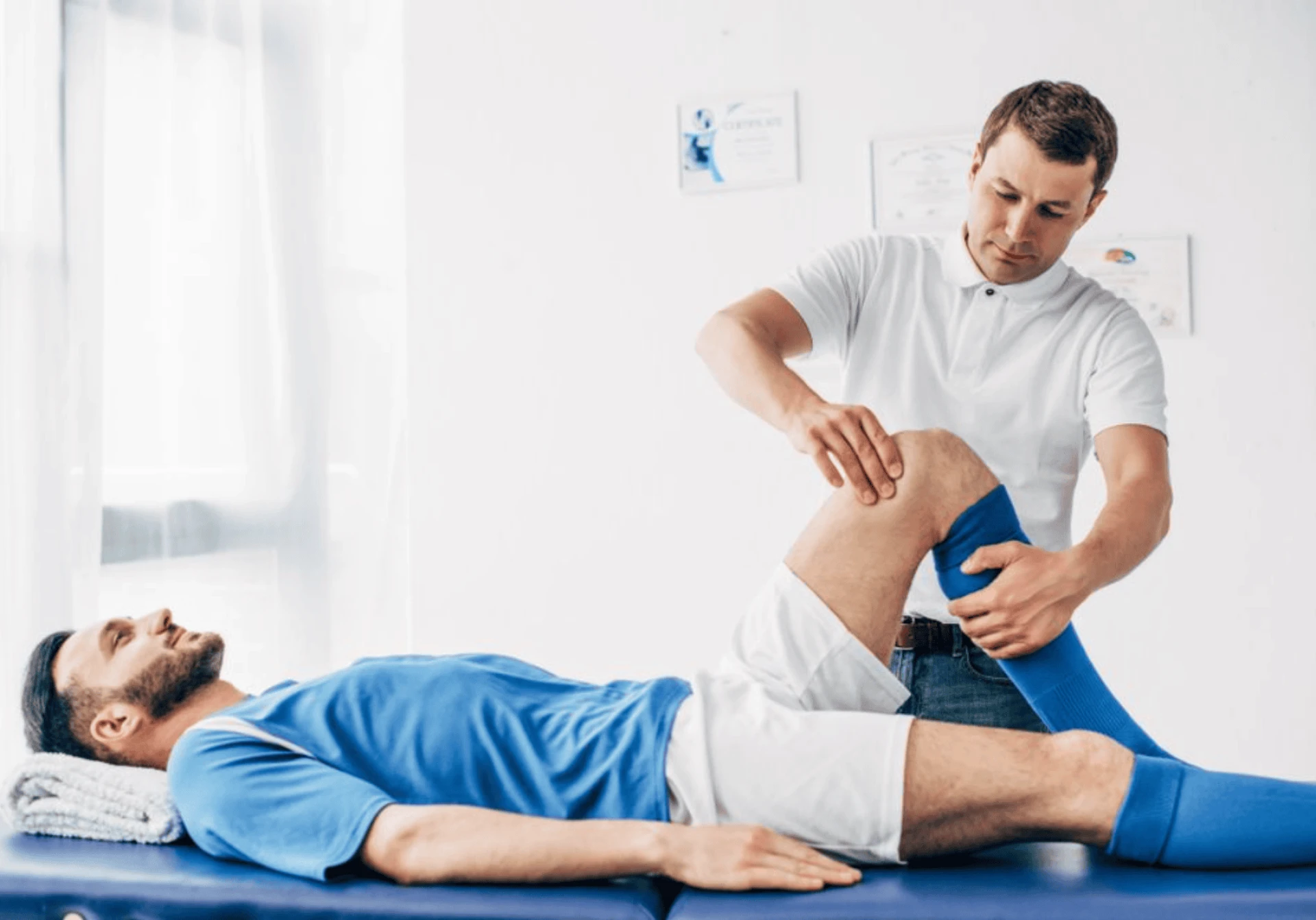

Running is one of the simplest yet most demanding forms of exercise. Whether you’re a weekend jogger, marathon enthusiast, or sprinter chasing a personal best, the repetitive impact of running places enormous stress on your muscles, tendons, and joints. Over time, this can lead to tightness, fatigue, and even injuries that derail your training. That’s where sports massage for runners makes all the difference.
Unlike relaxation massage, sports massage is designed to target the specific muscle groups runners rely on most—hamstrings, calves, quads, and hip flexors—helping reduce tension, speed up recovery, and improve performance.
Quick Overview: Why Sports Massage Matters for Runners
- Reduces muscle tension caused by repetitive impact and training load.
- Boosts circulation, delivering oxygen and nutrients to tired muscles.
- Supports recovery by clearing out lactic acid and metabolic waste.
- Improves flexibility and range of motion to help you run more efficiently.
- Lowers injury risk by addressing tight spots before they become problems.
Want to dive deeper into how sports massage can help your running journey? Keep reading for the full breakdown.
The Runner’s Struggle: Tension, Fatigue, and Performance Plateaus
Ask any runner and they’ll tell you: tight muscles are part of the game. But left untreated, that tightness can snowball into chronic problems.
- Calf cramps and shin splints are common for distance runners.
- Hamstring tightness can affect stride length and power.
- Hip flexor tension often leads to poor posture and lower back pain.
Sports massage doesn’t just feel good—it actively addresses these challenges by loosening muscles, restoring balance, and allowing your body to perform the way it’s meant to.
How Sports Massage Boosts Running Performance
1. Improves Circulation and Recovery
During a run, your muscles demand a constant supply of oxygen. Sports massage stimulates blood flow, ensuring your muscles get the nutrients they need for repair. It also speeds up the removal of metabolic waste, meaning less soreness and quicker recovery.
Expert insight: A study published in the Journal of Athletic Training found that massage can reduce delayed onset muscle soreness (DOMS), allowing athletes to resume training faster.
2. Increases Flexibility and Range of Motion
Tight quads or calves can shorten your stride and make running less efficient. Sports massage stretches muscle fibers and fascia, restoring elasticity. The result? A smoother stride, reduced resistance, and better overall performance.
3. Helps Prevent Injuries
Many running injuries—like IT band syndrome or plantar fasciitis—start with untreated muscle tightness. By releasing trigger points and breaking up adhesions, sports massage reduces the strain that leads to overuse injuries.
Pro Tip Box:
➡ Book your sports massage regularly, not just after an injury. Think of it as maintenance for your body—like servicing your car before it breaks down.
4. Supports Mental Focus and Relaxation
Running isn’t only physical—it’s a mental game. Sports massage lowers cortisol (the stress hormone) and promotes relaxation, leaving you refreshed and mentally sharp for your next session.
Quick Guide: From Tight Muscles to Better Runs
The Scenario
You’ve just finished a long run preparing for your half marathon. Your legs feel heavy, your calves ache, and no amount of stretching seems to help. Sound familiar?
Common Challenges Runners Face
- Do your legs feel tight and sore for days after long runs?
- Have you noticed nagging pains that never fully go away?
- Do you struggle with reduced flexibility, making your stride less efficient?
How Sports Massage Helps
- Releases Muscle Knots
- Deep pressure techniques target adhesions that stretching alone can’t fix.
- Restores Balance
- Massage realigns overused muscle groups so no single area carries all the load.
- Boosts Recovery Time
- By improving circulation, you recover faster between runs.
- Enhances Flexibility
- Stretching during the session increases your stride efficiency.
Why It Works
Sports massage works because it doesn’t just mask the discomfort—it addresses the root cause of muscle tightness and imbalance. Over time, regular sessions mean fewer setbacks and a more consistent training routine.
Need a practical boost to keep running pain-free? Consider adding sports massage to your training schedule.
FAQs About Sports Massage for Runners
1. How often should runners get a sports massage?
For active runners, once every 2–4 weeks is ideal for maintenance. During heavy training blocks (like marathon prep), weekly sessions may be more beneficial.
2. Does sports massage hurt?
Sports massage can be intense, especially when targeting tight muscles. However, it should never be unbearable. Always communicate with your therapist so the pressure is effective but comfortable.
3. Can sports massage replace stretching?
Not at all. Sports massage complements stretching. Think of it as a deeper reset for muscles that stretching alone can’t reach.
4. Is sports massage only for elite athletes?
Definitely not. Weekend warriors, casual joggers, and anyone who runs regularly can benefit. The more consistent your running, the more valuable regular massage becomes.
5. Should I get a massage before or after a race?
A light massage before a race can warm up the muscles, but most runners benefit more from a recovery massage 24–48 hours after the event.
Conclusion: Run Smarter, Recover Faster
Running should feel rewarding—not punishing. By incorporating sports massage for runners, you give your body the chance to release tension, recover properly, and perform at its peak. From reducing tightness in overworked muscles to preventing injuries and improving flexibility, sports massage is more than a luxury—it’s a tool for every runner who wants to go the distance.
Take care of your muscles, and they’ll take care of you on the road.




















Sign in to leave a comment.