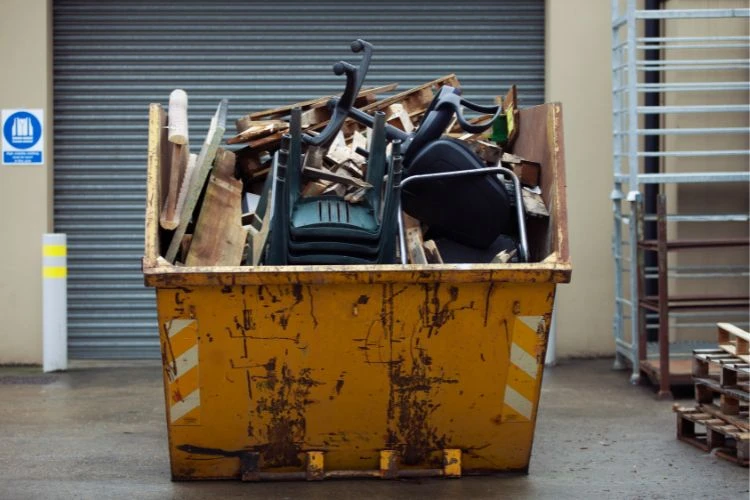

Picture this: You’re knee-deep in broken tiles, ripped-up carpet, and mystery junk that’s been in the shed since Kevin Rudd was Prime Minister.
You know you need skip bin hire, but suddenly you’re faced with a question more stressful than a Saturday morning trip to Bunnings: what size skip bin do I actually need?
Pick too small and you’ll be left playing Tetris with your rubbish or paying for an extra bin. Pick too big and you’ll feel like you’ve rented a mini shipping container just to dump some cardboard.
In this guide, we’ll break down every size of skip bin available in Australia, what projects they suit best, and how to avoid the classic “why didn’t I go bigger?” regret.
Quick Overview: At a Glance
Not here for 2000 words of bin wisdom? Here’s the short version:
- 2–3m³ Mini Skips: Best for spring cleans, garden waste, and small clear-outs.
- 4–6m³ Medium Skips: Great for renovations, kitchen/bathroom jobs, and moderate clean-ups.
- 7–9m³ Large Skips: Ideal for full-house cleanouts or bigger building projects.
- 10–12m³+ Jumbo Skips: Perfect for construction sites, demolitions, or if you’re secretly auditioning for “The Block.”
👉 Want the full breakdown (with tips, jokes, and even a quiz to help you choose)? Keep reading.
Section 1: Why Bin Size Actually Matters
Choosing the wrong skip bin size can cost you:
- Money: Overfilling means fines or a second bin.
- Time: Too small = multiple bookings.
- Stress: Nobody wants to argue with a driver because the bin’s piled higher than your neighbour’s hedge.
Think of it like ordering pizza: better to have leftovers than to fight over the last slice.
Section 2: The Skip Bin Size Chart (Australia Edition)
Here’s the breakdown of common sizes:
2–3m³ Mini Skips
- Equivalent to: 25–35 wheelie bins or 2 small trailer loads.
- Best for:
- Garden clean-ups (leaves, branches, soil).
- Small decluttering jobs (old clothes, cardboard).
- Apartment spring cleans.
4–6m³ Medium Skips
- Equivalent to: 50–70 wheelie bins or 4–6 trailer loads.
- Best for:
- Kitchen or bathroom renovations.
- Carpet removal.
- Small construction jobs.
7–9m³ Large Skips
- Equivalent to: 80–100 wheelie bins or 8–9 trailer loads.
- Best for:
- Full-house cleanouts.
- Medium renovations.
- Moving house and dumping the stuff you don’t want to pack.
10–12m³+ Jumbo Skips
- Equivalent to: 120–150 wheelie bins or 12+ trailer loads.
- Best for:
- Major building sites.
- Demolition jobs.
- If you’re the type who hasn’t decluttered since the 90s.
Pro Tip Box: If you’re unsure, always size up. The price difference is usually smaller than the cost of booking a second bin.
Section 3: Matching Bin Sizes to Real-Life Scenarios
- Renovating a bathroom? → 4m³ should do it.
- Knocking down a garage? → 9m³ is your best bet.
- Moving out of a rental after 10 years? → 6–8m³ will cover you.
- Massive landscaping project? → Go jumbo (10–12m³).
Did You Know?
Some Aussie councils charge hefty fees if you leave waste piled on the kerb. Skip bins help you avoid both the mess and the fines.
Section 4: Common Mistakes People Make
- Going too small: Thinking “she’ll be right” and ending up with rubbish still on the lawn.
- Overloading: Skip bins can’t legally be filled past the rim. No, balancing a mattress on top doesn’t count as “secure.”
- Wrong waste type: Booking a general bin then trying to sneak in bricks, dirt, or asbestos. (Tip: that’s a big no-no.)
Humour Break: If you’ve ever tried to fit an old fridge into the boot of a Corolla, you already know why bin size matters.
Quick Guide: How to Choose the Right Skip Bin Size
Intro: Let’s say you’ve decided to finally clear out the garage. Great! But how do you pick the right bin?
Common Challenges:
- “What if it doesn’t all fit?”
- “What if I waste money on one too big?”
- “Do I need different bins for mixed waste?”
How to Solve It:
- Estimate volume: A wheelbarrow = about 0.1m³. Count them.
- Compare with trailers: 1 trailer ≈ 1m³.
- Think in rooms: A single room clean-out = 2–3m³.
- Always round up: It’s cheaper than a second bin.
Why It Works:
This simple method takes the guesswork out, saving you money and frustration.
👉 If in doubt, chat with your local skip bin hire company—they can guide you based on your project.
Section 5: Interactive Quiz – What Bin Do You Need?
Answer a few quick questions:
Q1. How big is your job?
- A: Just a bit of clutter (a few boxes, old clothes).
- B: Small reno or garden job.
- C: Full-house or big landscaping project.
- D: Major build or demolition.
Q2. Do you own a trailer or ute?
- A: Yes, but it’s tiny.
- B: Yes, decent size.
- C: Nope, that’s why I’m here.
- D: Doesn’t matter, the job’s too big.
Q3. How much time do you want to spend?
- A: I don’t mind a couple of trips.
- B: One bin, done.
- C: I value my weekend too much.
- D: Skip bin or bust.
Results:
- Mostly A’s → 2–3m³ mini skip.
- Mostly B’s → 4–6m³ medium skip.
- Mostly C’s → 7–9m³ large skip.
- Mostly D’s → 10–12m³ jumbo skip.
Section 6: FAQs About Skip Bin Hire Sizes
Q1. Can I put furniture in a skip bin?
Yes! Most bins accept household furniture like couches, wardrobes, and mattresses (check with the provider for mattress surcharges).
Q2. How do I know if I need a heavy waste bin?
If you’re disposing of bricks, soil, concrete, or tiles, you’ll need a heavy waste bin.
Q3. What happens if my bin is too small?
You’ll need to order a second bin or pay for a larger replacement—both more expensive than sizing up initially.
Q4. Can I share a skip bin with neighbours?
Absolutely. Splitting the cost with a neighbour is a great way to save money.
Q5. Do I need a council permit for skip bins?
Only if it’s placed on public land (like the street). If it’s on your driveway, you’re usually fine.
Section 7: Why Skip Bin Hire Beats DIY Dump Runs for Big Jobs
Let’s be real: multiple dump runs = fuel, tip fees, sore backs, and one cranky spouse. Skip bins save you:
- Time: Fill once, done.
- Money: Cheaper than multiple trips.
- Hassle: No trailer reversing accidents.
Conclusion
When it comes to skip bin hire sizes, choosing the right bin can save you money, time, and a whole lot of stress. Mini skips are fine for small jobs, but for renovations, clean-outs, or construction projects, sizing up is the smarter move.
So, next time you’re staring at a mountain of rubbish and wondering which bin to book, remember: better to have space left over than to find yourself standing in the driveway with an extra fridge and nowhere to put it.
👉 Ready to clear the clutter? Pick your bin, fill it up, and get back to enjoying your weekend.





























Sign in to leave a comment.