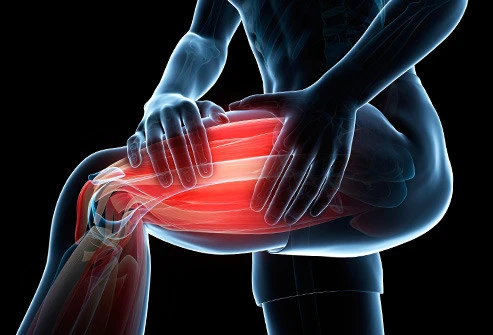

Have you ever experienced a sudden, uncontrollable muscle twitch? While occasional muscle spasms are normal, frequent or persistent spasms can be frustrating and, in some cases, indicate an underlying health issue. Muscle spasms occur when muscle fibers contract involuntarily, often due to factors like dehydration, overuse, or nerve-related conditions such as Myoclonus (Muscle Twitch). Understanding the causes and adopting effective prevention methods can help you maintain optimal muscle health and reduce discomfort.
Common Causes of Muscle Spasms
Muscle spasms can occur due to a variety of reasons. Identifying the root cause is the first step in preventing them. Below are some of the most common causes:
- Dehydration: A lack of fluids can cause muscles to contract involuntarily, leading to cramping and twitching.
- Electrolyte Imbalances: Essential minerals such as potassium, magnesium, and calcium play a crucial role in muscle function. An imbalance can result in frequent spasms.
- Overuse and Fatigue: Excessive physical activity or repetitive movements can exhaust muscles, making them more prone to twitching.
- Nerve Disorders: Conditions like Myoclonus (Muscle Twitch) involve involuntary muscle movements caused by nervous system irregularities.
- Medication Side Effects: Certain medications, including stimulants and diuretics, may trigger muscle twitches as a side effect.
- Stress and Anxiety: Psychological factors can overstimulate the nervous system, leading to increased muscle activity and twitching.
Effective Ways to Reduce Muscle Spasms
Fortunately, several strategies can help reduce and prevent muscle spasms. Implementing these lifestyle changes and treatment options can significantly improve muscle function.
A. Hydration and Nutrition
- Drink plenty of water: Dehydration is a leading cause of muscle spasms. Aim for at least 8 glasses of water daily, especially if you exercise frequently.
- Maintain electrolyte balance: Consuming foods rich in potassium (bananas, oranges), magnesium (nuts, seeds, spinach), and calcium (dairy products, leafy greens) helps regulate muscle contractions.
B. Proper Stretching and Exercise
- Stretch regularly: Stretching before and after physical activity improves muscle flexibility and reduces the likelihood of spasms.
- Strengthen muscles: Incorporate exercises that build muscle endurance, particularly for areas prone to twitching.
- Avoid overexertion: Give muscles adequate time to recover after intense physical activity.
C. Managing Stress and Relaxation Techniques
- Practice relaxation methods: Yoga, meditation, and deep breathing exercises can help relax muscles and reduce tension.
- Reduce caffeine intake: Stimulants like caffeine can heighten nervous system activity and contribute to muscle twitching.
- Get sufficient sleep: Poor sleep can exacerbate involuntary muscle movements, making adequate rest essential for muscle recovery.
D. Medical Treatments and Supplements
- Consider magnesium or calcium supplements: If your diet lacks these essential minerals, supplements can help regulate muscle function.
- Use muscle relaxants if necessary: Over-the-counter or prescription muscle relaxants may be recommended for persistent spasms.
- Consult a doctor for chronic spasms: If muscle spasms become frequent and severe, a medical professional can evaluate underlying conditions such as Myoclonus (Muscle Twitch) and suggest appropriate treatments.
When to Seek Medical Help
While occasional muscle spasms are harmless, certain symptoms may indicate a more serious condition. Consider seeking medical attention if:
- Muscle spasms occur frequently and have no clear trigger.
- Spasms are accompanied by weakness, pain, or loss of coordination.
- Episodes interfere with daily activities or disrupt sleep.
- You experience additional neurological symptoms like tremors or difficulty moving.
Conclusion
Frequent muscle spasms can be bothersome, but they are often preventable with proper hydration, balanced nutrition, regular stretching, and stress management. If you experience persistent or severe spasms, it is important to consult a healthcare professional to rule out underlying conditions like Myoclonus (Muscle Twitch). By adopting these prevention strategies, you can improve muscle function, reduce discomfort, and enhance overall well-being.
























Sign in to leave a comment.