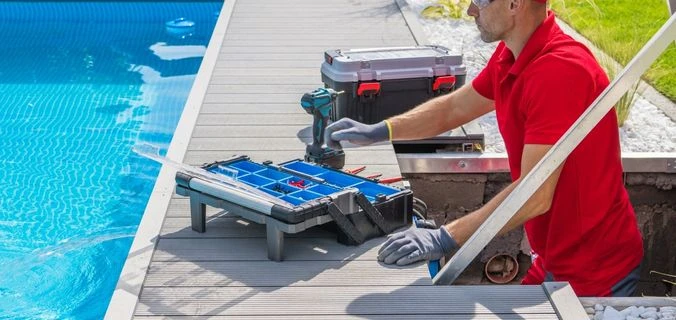

There's nothing quite like stepping into crystal-clear pool water on a hot summer day. But for many pool owners, that idyllic vision is often interrupted by murky water, stubborn algae blooms, or equipment that seems to break down at the worst possible moment. The truth is, most pool problems don't appear overnight—they develop gradually from small oversights that compound over time.
The good news? Nearly every common pool issue is preventable with the right approach. Rather than scrambling to fix problems after they've taken hold, smart pool owners focus on prevention. This guide will walk you through proven strategies to keep your pool sparkling clean and trouble-free all season long.
Understanding the Foundation of Pool Health
Before diving into specific prevention strategies, it's essential to understand how pools maintain their clarity and cleanliness. Every healthy pool relies on three interconnected systems working in harmony: circulation, filtration, and chemistry. When any one of these elements falls out of balance, problems begin to develop.
Think of your pool as a living ecosystem. Water that sits stagnant becomes a breeding ground for algae and bacteria. A filter that's overwhelmed with debris loses its ability to trap contaminants. And when chemical levels drift outside their optimal ranges, even the most diligent cleaning routine won't keep problems at bay.
The key to prevention lies in consistency. Small, regular actions are far more effective than occasional intensive interventions. Pool owners who check their systems daily and make minor adjustments as needed rarely face the major headaches that plague those who take a more reactive approach.
Mastering Water Circulation: Your First Line of Defense
Proper water circulation is the cornerstone of pool maintenance, yet it's often the most overlooked aspect of pool care. Your pool pump functions as the heart of the system, drawing water through the skimmer, pushing it through the filter, and returning clean water through the jets. When this circulation slows or stops, problems multiply rapidly.
For optimal results, run your pool pump between eight and twelve hours daily during peak swimming season. This ensures that the entire volume of water passes through your filtration system at least once every day. Some pool professionals recommend even longer run times during extremely hot weather, when algae growth accelerates and chlorine degrades more quickly under intense sunlight.
Pay attention to your pool's "dead zones"—areas where water tends to stagnate. These typically include corners, behind ladders, underneath steps, and areas below the skimmer. Dead zones are where algae first take hold, so directing your return jets to improve circulation in these areas can make a significant difference.
If you're working with a professional service for Pool Cleaning Glenwaverly residents trust, they'll often assess your circulation patterns as part of a comprehensive maintenance plan. Proper jet positioning and pump scheduling are foundational elements that professionals prioritize to prevent problems before they start.
The Art of Chemical Balance
Maintaining proper water chemistry might seem intimidating at first, but it becomes second nature with practice. The goal is simple: create an environment where sanitizers work effectively, swimmers remain comfortable, and equipment stays protected from corrosion or scale buildup.
Start by testing your water at least twice weekly using a reliable testing kit. The core measurements you need to monitor include pH levels (ideally between 7.2 and 7.6), free chlorine (maintaining levels between 2 and 4 parts per million), total alkalinity (targeting 80 to 120 ppm), and calcium hardness (aiming for 200 to 400 ppm).
When pH drifts too low, water becomes acidic and can irritate swimmers' skin and eyes while corroding your equipment. When it climbs too high, chlorine loses its effectiveness, and calcium can precipitate out of solution, leaving cloudy water and scale deposits on surfaces. Alkalinity acts as a buffer that helps stabilize pH, so adjusting alkalinity first often makes pH easier to manage.
Free chlorine is your primary defense against bacteria, algae, and other organic contaminants. But chlorine doesn't work in isolation—it requires balanced pH to sanitize effectively. Even if your chlorine levels look adequate on paper, high pH can render that chlorine largely inactive, leaving your pool vulnerable to problems.
Filtration: Keeping Your System Running Smoothly
Your pool filter is responsible for removing particles and debris that circulation brings its way. Whether you have a sand filter, cartridge filter, or diatomaceous earth (DE) system, regular maintenance is essential for peak performance.
Cartridge filters should be removed and hosed down every few weeks during heavy use periods, with a deep chemical cleaning performed at least once per season. Sand filters require backwashing when the pressure gauge reads eight to ten pounds above the normal operating level. DE filters need backwashing and fresh DE powder added after each cleaning.
One often-overlooked tip: avoid cleaning your filter too frequently. A slightly dirty filter actually captures fine particles more effectively than a spotlessly clean one. The accumulated debris forms a layer that enhances filtration. The key is finding the balance between optimal filtration and restricted water flow.
Watch your pressure gauge closely. Rising pressure indicates a filter that's working harder to push water through accumulated debris. A sudden drop in pressure might signal a damaged internal component or a crack in the filter housing. Either extreme warrants investigation before a minor issue becomes a major repair.
Developing a Consistent Cleaning Routine
Physical cleaning removes debris that your filter can't handle and prevents organic matter from decomposing in your pool. A regular routine should include skimming, brushing, and vacuuming—the three pillars of manual pool maintenance.
Skimming the surface daily removes leaves, insects, and floating debris before they sink to the bottom and become harder to remove. This simple task takes only a few minutes but prevents significant accumulation that can overwhelm your filter and provide food for algae.
Brushing the pool walls, floor, and steps weekly dislodges algae spores before they can establish colonies. Even if your surfaces look clean, microscopic algae are constantly seeking places to attach and grow. A stiff nylon brush works well for most surfaces, while stainless steel brushes are appropriate for unpainted concrete. Pay special attention to areas with poor circulation—corners, steps, around ladders, and beneath the skimmer opening.
Vacuuming removes settled debris that brushing stirs up. For routine maintenance, vacuuming through your filter works well. However, when dealing with significant debris or dead algae after treatment, vacuum to waste to prevent overwhelming your filter media.
Preventing Algae Before It Appears
Algae is perhaps the most common and frustrating pool problem, transforming clear water into a cloudy green mess seemingly overnight. But algae doesn't actually appear suddenly—it grows from microscopic spores that are constantly entering your pool from the surrounding environment.
The key to algae prevention is making your pool inhospitable to growth. This means maintaining consistent chlorine levels, ensuring adequate circulation, and eliminating the nutrients that algae need to thrive. Phosphates, in particular, serve as a primary food source for algae. Regular testing and treatment with phosphate removers can eliminate this fuel source.
Consider adding a maintenance dose of algaecide weekly as a preventive measure. While algaecide alone won't clear an active bloom, it helps suppress spores before they can multiply. Think of it as an insurance policy that works alongside your sanitizer.
Hot weather accelerates algae growth while simultaneously degrading chlorine. During heat waves, consider increasing your chlorine levels slightly and running your pump longer to compensate. After heavy rain, test your water immediately—rainwater dilutes chemicals and can introduce contaminants that promote algae growth.
Seasonal Preparation and Maintenance
Different seasons bring different challenges, and adjusting your maintenance approach accordingly prevents many common problems.
As temperatures rise in spring, algae begin their growing season while debris from flowering trees and plants increases. This is the time to ensure your equipment is functioning properly after winter dormancy, deep clean your filter, and establish your warm-weather maintenance schedule.
Summer brings peak swimming activity, which introduces body oils, sunscreen, sweat, and other organic matter into your pool. Heavy bather loads can overwhelm your sanitizer, leading to cloudy water and increased demand for chemicals. Shock your pool after pool parties or periods of heavy use to maintain water quality.
Autumn presents challenges from falling leaves and cooler temperatures. Increase your skimming frequency and consider using a pool cover to reduce debris accumulation. As swimming activity decreases, you may be able to reduce pump run time slightly while maintaining adequate circulation.
Winter preparation, if you live in a climate that requires closing your pool, demands careful attention. Properly balanced water, appropriate winterizing chemicals, and a secure cover protect your investment during the off-season and make spring opening much easier.
Equipment Inspection and Proactive Replacement
Pool equipment doesn't last forever, but regular inspection can help you anticipate failures before they cause problems. Create a checklist and inspect your equipment monthly during swimming season.
Check the pump basket for cracks that could allow debris to reach the impeller. Inspect O-rings and gaskets for signs of wear or damage. Listen to your pump during operation—unusual sounds often indicate developing problems. Look for water around equipment that might signal leaks in fittings or seals.
Hoses, especially vacuum and cleaner hoses, degrade with exposure to sunlight and chemicals. Replace them at the first sign of cracking rather than waiting for failure. The same applies to skimmer baskets, which can crack and allow debris into your plumbing.
Keep a log of your equipment, including purchase dates and any repairs performed. This helps you anticipate when components are approaching the end of their expected lifespan and budget for replacements before emergency situations arise.
Water Level Management
Something as simple as water level can significantly impact your pool's operation. Water should sit at approximately the midpoint of your skimmer opening. Too low, and the pump can draw air, potentially causing damage and certainly reducing filtration efficiency. Too high, and the skimmer can't effectively remove surface debris.
Evaporation during hot weather and splash-out from swimming can lower water levels quickly. Check levels weekly and top off as needed. After heavy rain, you may need to drain excess water to return to optimal levels.
When adding significant amounts of water, remember that you're also diluting your chemicals. Test and adjust your water balance after any substantial water addition.
The Value of Professional Partnership
While routine maintenance is well within most pool owners' capabilities, partnering with a professional service provides valuable benefits. Professionals bring trained eyes that can spot developing problems before they become obvious. They have access to commercial-grade equipment and chemicals that aren't available to consumers. And they can handle complex repairs and adjustments that require specialized knowledge.
Even if you prefer handling day-to-day maintenance yourself, consider scheduling professional inspections at the beginning and end of each season. These check-ups can identify worn components, calibrate equipment, and provide peace of mind that your systems are functioning optimally.
Building Habits That Last
The most effective prevention strategy is building consistent habits. Rather than viewing pool maintenance as a chore, think of it as a brief daily ritual that protects your investment and ensures your pool is always ready for enjoyment.
Morning is often the best time for a quick pool check. Skim the surface, glance at the pump and filter pressure gauge, and visually assess water clarity. This five-minute routine catches problems early when they're easiest to address.
Weekly, set aside time for more thorough attention: brushing surfaces, vacuuming if needed, testing water chemistry, and inspecting equipment. Keeping supplies organized and readily accessible makes these tasks faster and more likely to happen consistently.
Document your observations and actions. A simple log helps you identify patterns—perhaps your pH tends to drift after heavy rain, or algae appears more readily in a particular corner. This information helps you refine your approach and become increasingly effective at prevention.
Conclusion
Preventing pool problems before they start isn't about working harder—it's about working smarter. By understanding how circulation, filtration, and chemistry work together, and by maintaining consistent habits around cleaning and monitoring, you can enjoy clear, inviting water throughout the swimming season.
The investment in prevention pays dividends beyond just avoiding inconvenience. Properly maintained pools use chemicals more efficiently, extend the life of expensive equipment, and provide a healthier swimming environment for family and friends. Most importantly, a well-maintained pool is always ready when you want to use it—no scrambling to fix problems before the weekend barbecue.
Start implementing these prevention strategies today, and you'll spend far less time battling problems and far more time enjoying your backyard oasis. After all, that's what having a pool is all about.


























Sign in to leave a comment.