
Cavities, also known as dental caries or tooth decay, are one of the most common dental problems affecting people worldwide. Despite advancements in dental care and hygiene products, many individuals still struggle with cavities, leading to pain, discomfort, and potential tooth loss. However, with the right knowledge and practices, you can significantly reduce your risk of developing cavities. This comprehensive guide will explore effective strategies and habits to help you protect yourself from cavities and maintain optimal oral health.
Understanding Cavities
Before diving into preventive measures, it's essential to understand what cavities are and how they form. Cavities are permanently damaged areas in the hard surface of your teeth that develop into tiny openings or holes. They are caused by a combination of factors, including:
Bacteria in the Mouth: Streptococcus mutans and other bacteria feed on sugars and starches left on your teeth, producing acids as byproducts.
Plaque Formation: Plaque, a sticky film of bacteria, forms on your teeth. When you consume sugary or starchy foods and drinks, the bacteria in plaque produce acids that attack tooth enamel.
Tooth Decay: Over time, the acids can break down the enamel and dentin, leading to cavities. Without treatment, cavities can progress deeper into the tooth, affecting the pulp and causing severe pain and infection.
Effective Ways to Prevent Cavities
Preventing cavities involves a combination of good oral hygiene practices, dietary choices, and regular dental care. Here are some effective strategies to protect yourself from cavities:
1. Brush Your Teeth Twice a Day
Brushing your teeth at least twice a day is fundamental to cavity prevention. Use fluoride toothpaste and a soft-bristled toothbrush to gently clean all surfaces of your teeth. Fluoride helps strengthen tooth enamel and makes it more resistant to acid attacks.
Technique: Hold your toothbrush at a 45-degree angle to your gums and use gentle, circular motions. Be sure to brush for at least two minutes, covering all areas, including the fronts, backs, and chewing surfaces of your teeth.2. Floss Daily
Brushing alone cannot remove all the food particles and plaque between your teeth and along the gumline. Flossing daily is essential to clean these hard-to-reach areas and prevent cavities from forming between your teeth.
Technique: Use a piece of floss about 18 inches long, winding it around your fingers. Gently slide the floss between your teeth and curve it into a C-shape against one tooth, moving it up and down. Repeat for each tooth, using a clean section of floss.3. Use Mouthwash
Antimicrobial mouthwash can help reduce bacteria in your mouth and lower your risk of cavities. Choose a mouthwash that contains fluoride for added protection. Rinse your mouth with mouthwash after brushing and flossing to reach areas that may have been missed.
4. Maintain a Healthy Diet
Your diet plays a significant role in your oral health. Consuming a balanced diet that is low in sugary and acidic foods can help prevent cavities. Here are some dietary tips:
Limit Sugary and Starchy Foods: Bacteria in your mouth thrive on sugars and starches, producing acids that attack your teeth. Minimize your intake of sugary snacks, candies, sodas, and desserts.
Choose Tooth-Friendly Foods: Opt for foods that promote oral health, such as fresh fruits and vegetables, dairy products, nuts, and whole grains. These foods stimulate saliva production, which helps neutralize acids and wash away food particles.
Drink Water: Water helps rinse away food particles and bacteria, reducing the risk of cavities. Drinking fluoridated water can also strengthen your teeth and make them more resistant to decay.
5. Chew Sugar-Free Gum
Chewing sugar-free gum after meals can help stimulate saliva production, which neutralizes acids and aids in cleaning your teeth. Look for gum that contains xylitol, a natural sweetener that has been shown to reduce the growth of cavity-causing bacteria.
6. Visit Your Dentist Regularly
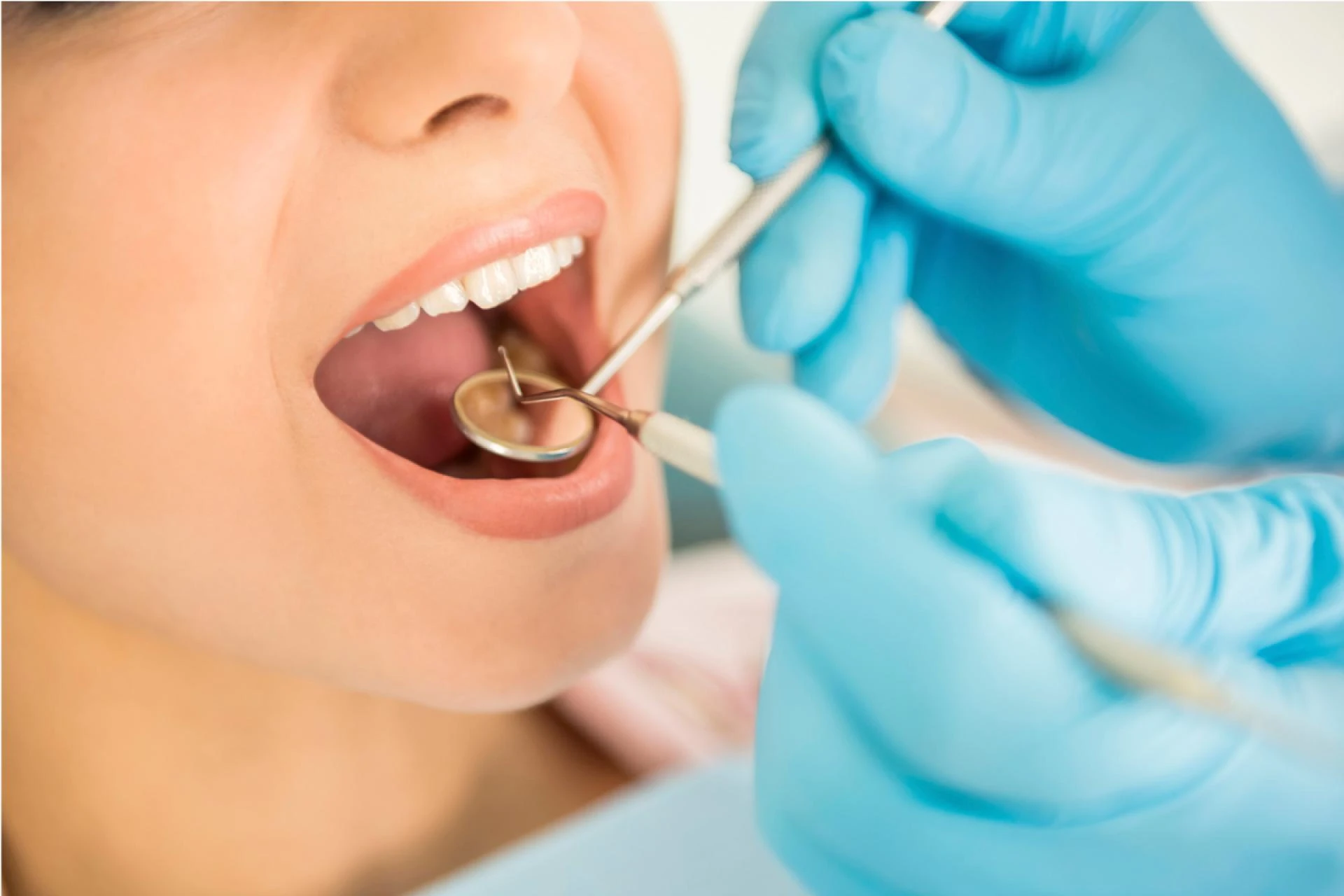
Regular dental check-ups and cleanings are crucial for preventing cavities and maintaining overall oral health. Your dentist can detect early signs of tooth decay and provide treatments to prevent cavities from progressing.
Professional Cleanings: Dental cleanings remove plaque and tartar buildup that cannot be removed by brushing and flossing alone. Your dentist or dental hygienist will also polish your teeth to make it harder for plaque to accumulate.
Dental Examinations: During a dental exam, your dentist will check for cavities, gum disease, and other oral health issues. Early detection allows for prompt treatment, preventing more extensive and costly dental problems.
7. Consider Dental Sealants
Dental sealants are thin, protective coatings applied to the chewing surfaces of the back teeth (molars and premolars). Sealants create a barrier that prevents food and bacteria from getting trapped in the grooves and pits of these teeth, reducing the risk of cavities.
Application: The process of applying sealants is quick and painless. Your dentist will clean and dry the teeth, then apply a special gel to prepare the surface. The sealant is painted onto the teeth and hardened with a special light.8. Use Fluoride Treatments
Fluoride is a mineral that helps strengthen tooth enamel and makes it more resistant to decay. In addition to using fluoride toothpaste, you can benefit from professional fluoride treatments provided by your dentist.
Fluoride Varnish: Your dentist can apply fluoride varnish to your teeth during a routine visit. The varnish is painted onto the teeth and provides a concentrated dose of fluoride for added protection.
Fluoride Rinse: Your dentist may recommend a fluoride rinse for at-home use. This rinse can help protect your teeth from cavities, especially if you are at high risk for tooth decay.
9. Avoid Tobacco Products
Using tobacco products, including cigarettes and smokeless tobacco, can significantly increase your risk of cavities and other oral health problems. Tobacco use reduces saliva production, increases the buildup of plaque and tartar, and weakens your immune system, making it harder for your body to fight off infections.
10. Educate Yourself and Your Family
Knowledge is a powerful tool in preventing cavities. Educate yourself and your family about the importance of oral hygiene and the factors that contribute to tooth decay. Encourage good dental habits from an early age and lead by example.
Teach Children: Start teaching your children about proper brushing and flossing techniques as soon as their first teeth appear. Make dental care a fun and positive experience to instill lifelong habits.
Monitor Sugar Intake: Be mindful of the amount of sugar your family consumes. Read food labels and choose healthier alternatives to sugary snacks and beverages.
Addressing Common Myths About Cavities
There are several myths and misconceptions about cavities that can lead to improper dental care. Let's address some of the most common myths:
Myth 1: Only Children Get Cavities
While cavities are more common in children, adults can also develop cavities. Factors such as dry mouth, receding gums, and existing dental work can increase the risk of cavities in adults.
Myth 2: If My Teeth Don't Hurt, I Don't Have Cavities
Cavities can develop without causing pain, especially in the early stages. Regular dental check-ups are essential for detecting cavities before they become painful and require more extensive treatment.
Myth 3: Sugar Is the Only Cause of Cavities
While sugar is a significant contributor to cavities, other factors, such as poor oral hygiene, acidic foods and drinks, and lack of fluoride, also play a role in tooth decay.
Myth 4: Brushing Harder Cleans Better
Brushing too hard can damage your tooth enamel and gums, leading to sensitivity and gum recession. Use a soft-bristled toothbrush and gentle, circular motions for effective cleaning.
Myth 5: Cavities Always Cause Visible Holes
Cavities can develop in areas that are not visible, such as between teeth or under existing fillings. Dental X-rays can help detect hidden cavities that may not be apparent during a visual examination.






























Sign in to leave a comment.