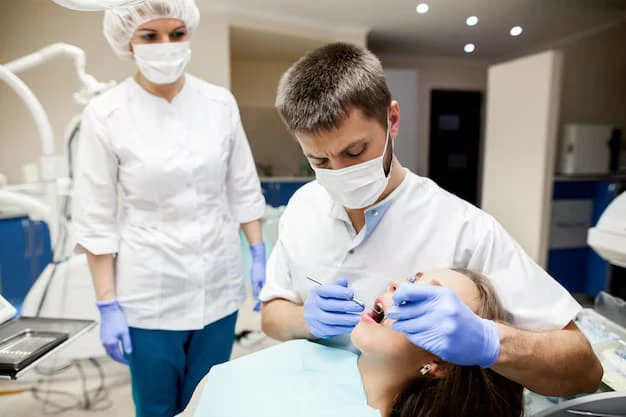

A sudden dental problem can be painful and worrying. A broken tooth, swelling, bleeding, or severe toothache often requires immediate attention. In these situations, knowing how to find a local emergency dentist can make the difference between saving a tooth and facing a more serious problem later. When pain strikes unexpectedly, the right steps help you get fast and safe treatment.
This guide explains how to search for urgent dental care, what information to provide, and what to expect during the emergency appointment.
When Does a Situation Require a Local Emergency Dentist?
Not every dental issue is an emergency, but some symptoms need urgent help. You should seek a local emergency dentist if you experience:
- Severe or persistent toothache
- Sudden swelling in the face or gums
- A knocked-out or broken tooth
- Bleeding that does not stop
- A painful abscess (infection)
- Lost crowns or fillings causing discomfort
- Injury from accidents or sports
Problems like these should not wait, especially when there is bleeding, swelling, or intense pain. Quick action helps reduce complications and prevent infection.
Step 1: Call Local Dental Practices Immediately
Calling a dental practice directly is usually the fastest way to access emergency help. When reaching out to a local emergency dentist, explain your symptoms clearly. Try to mention:
- The level of pain
- Visible damage (such as a crack or chip)
- Any bleeding or swelling
- Any recent accident or injury
- Whether you have allergies or medication you take medication
Dentists use this information to decide how urgent the situation is and plan for the right treatment.
Step 2: Check Availability and Emergency Hours
Some clinics offer same-day emergency slots, while others provide weekend or out-of-hours care. If one clinic is full, they may help you find another local emergency dentist. It’s helpful to ask:
- Whether they can see you on the same day
- How long might you need to wait
- If temporary treatment is possible until a full appointment later
- Whether there is an additional cost for emergency care
Being prepared helps avoid stress and supports quicker decisions.
Step 3: Ask About Costs Before Treatment Begins
Emergency appointments may be priced differently from routine visits. Before seeing a local emergency dentist, request a clear estimate based on your issue. Costs vary depending on whether you need pain relief, temporary restoration, or full treatment. Asking early ensures there are no surprises.
A reputable dentist will always explain options and fees before performing treatment, allowing you to decide based on comfort and necessity.
What to Expect at an Emergency Appointment
Many patients feel nervous because they don’t know what will happen. A local emergency dentist will focus on relieving pain and preventing further damage. The appointment will likely include:
Assessment
The dentist examines the problem area and may take an X-ray to see the root and bone condition.
Pain Relief
Dentists can provide medication or treatment to reduce sensitivity, swelling, or infection.
Temporary or Permanent Repair
Depending on the severity, the dentist may:
- Replace a lost filling
- Reattach or replace a crown
- Treat an abscess
- Repair a chipped tooth
- Reposition a knocked-out tooth
Sometimes a temporary solution is provided first, followed by a full treatment plan later
.
Knocked-Out Tooth: Immediate Steps Before Seeing a Dentist
If a tooth is knocked out, timing is critical. A local emergency dentist can often save the tooth if treatment occurs quickly. While waiting for care:
- Hold the tooth by the crown (not the root)
- Rinse gently with clean water if dirty, do not scrub
- Try to place it back into the socket if possible
- If not, place it in milk or a sterile solution
- Seek emergency care within 60 minutes
These steps increase the chance of saving the tooth.
Preventing Future Dental Emergencies
While accidents cannot always be avoided, good habits reduce the risk of emergency visits. To minimise dental emergencies:
- Wear a sports mouthguard during contact activities
- Keep up with routine dental check-ups
- Brush and floss daily
- Avoid chewing ice, pens, or very hard foods
- Treat dental pain early rather than waiting
Regular care reduces sudden issues and keeps teeth strong.
Final Thoughts
Finding a local emergency dentist during a crisis can feel stressful, but knowing what to do makes the process much easier. Quick communication, clear information, and immediate action help protect your oral health and reduce pain. By preparing ahead and understanding when emergency care is needed, you can handle unexpected dental problems with confidence and prevent more serious complications in the future.




























Sign in to leave a comment.