
That constant, annoying metal rattling sound every time your air conditioning kicks on? It is one of the most frustrating experiences for homeowners and building occupants alike. Often, people assume a noisy HVAC unit means a broken fan motor or a failing compressor. But in a massive number of cases, the unit itself is perfectly fine. The real culprit is hiding right above your head in the ceiling: an unsecured, vibrating ductwork system.
When high-velocity air rushes through residential or commercial ventilation networks, it creates massive internal pressure shifts. If those pathways are poorly secured, they transform your ceiling into a giant acoustic amplifier. Fixing a noisy system isn't just about acoustics; it is about extending the operational lifespan of your climate control infrastructure.
What causes HVAC duct rattle, and how do you stop it?
HVAC duct rattle is caused by static air pressure changes and harmonic fan vibrations traveling through unsecured metal or flexible conduits, causing them to strike building joists. You can stop duct rattle by isolating the pathways from the building’s timber or steel frame using flexible, heavy-duty polypropylene or galvanized hanging straps.
By properly spacing industrial-grade duct straps at fixed intervals, you absorb the mechanical energy of the air currents and completely eliminate structural acoustic resonance.
Rigid vs. Flexible Suspension: What is Best for Sound Insulation?
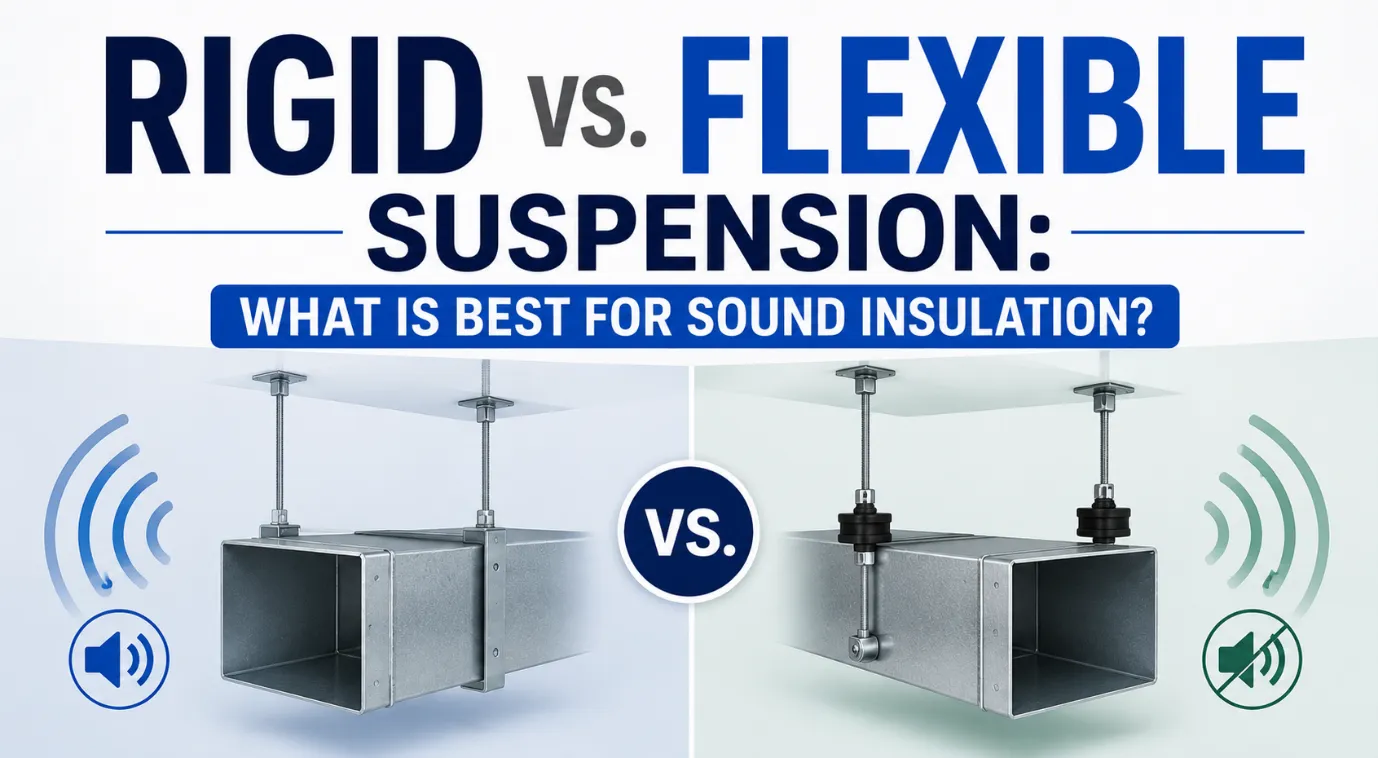 |
When suspending ventilation lines from ceiling joists, the material you use to anchor the load dictates how much sound leaks into the rooms below. Traditional rigid metal wiring or direct timber framing transfers kinetic energy instantly. If the duct vibrates, the entire floor joist vibrates with it.
To achieve maximum acoustic isolation, mechanical engineers rely on flexible suspension systems.
1. The Perils of Rigid Wire and Banding
Using makeshift steel wire or hard metal bands creates a direct metal-on-metal contact point. Over time, as the system expands and contracts with temperature fluctuations, these rigid ties rub against the outer housing, creating an ongoing creaking and popping noise.
2. The Flexible Solution: Woven Webbings
High-tensile polypropylene webbed strapping provides a dampening effect. It acts like a shock absorber for your ventilation network, cradling the line and preventing it from shaking against nearby framework.
Support Material Performance Comparison
| Material Type | Vibration Dampening Capacity | Risk of Casing Damage | Acoustic Performance Rating |
|---|---|---|---|
| Solid Galvanized Steel Wire | Poor (Transfers 90% of kinetic energy) | High (Can slice through soft insulation jackets) | Deficient (Causes structural resonance) |
| Woven Polypropylene Fabric | Excellent (Absorbs up to 85% of movement) | Zero Risk (Soft, wide surface area protects materials) | Superior (Dampens noise completely) |
Safety and Longevity: Preventing Duct Sagging and Airway Restriction
Quiet operation is fantastic, but correct structural suspension also protects your utility bill. Flexible ducting is incredibly sensitive to gravity. When regular maintenance is ignored or substandard supports are used, ducts begin to sag between joists.
Deep sags create pocket zones that disrupt laminar airflow, increasing static pressure resistance. This forces your fan motor to work twice as hard to push air to the end of the line, spiking energy consumption and accelerating mechanical wear.
Furthermore, if a support band is too narrow, it pinches the line, creating a bottleneck. Utilizing a wide, heavy-duty hanging strap distributes the load evenly across a larger surface area, preventing crimping and ensuring the internal insulation layer remains completely uncompromised.
Technical Compliance & Wrap Up
Silencing and securing an HVAC system requires adhering to strict trade compliance guidelines. For a system to remain secure and quiet for years to come, ensure your installation follows standard trade metrics:
- Support Spacing: Ensure horizontal flexible lines are supported by industrial duct straps at intervals not exceeding 1.5 meters to prevent airflow-restricting sagging.
- Strap Width: Ensure all fabric support loops are at least 50 millimeters wide to prevent the material from cutting into the external insulation jacket.
- Maximum Sag Limits: The sag between two consecutive support points must never exceed 40 millimeters per meter of support spacing.
- Alignment Accuracy: Maintain a straight centerline routing path; sharp, unanchored 90-degree bends introduce turbulent airflow, which creates heavy whistling noises.
Frequently Asked Questions
1. Can using the wrong type of strap cause my HVAC system to whistle?
Yes. If a support tie is pulled too tight or is too narrow, it pinches the diameter of the ductwork. This creates an internal bottleneck that accelerates air velocity at that specific point, generating a distinct high-pitched whistling or rushing wind sound.
2. How far apart should duct straps be placed during an installation?
According to standard Australian building codes and mechanical installation guidelines, flexible horizontal lines must be secured using a durable hanging strap every 1.5 meters. Vertical runs should be anchored at every floor level or every 2 meters to avoid structural drift.
3. What is the difference between polypropylene fabric and galvanized steel straps?
Polypropylene fabric webbed straps are softer, wider, and completely rust-proof, making them the gold standard for silent, vibration-dampening residential installations. Galvanized steel straps are stronger and ideal for heavy, rigid sheet-metal main trunks, but they require rubber isolation grommets to match the quietness of fabric options.
4. Why does my heating system make a popping noise when it turns off?
This is typically due to thermal expansion. As hot air travels through metal conduits, the metal expands. When the system shuts down and cools, the metal contracts. If the lines are held tightly against the home's timber framing with rigid fasteners instead of a flexible canvas or webbed support, you will hear a loud cracking or popping sound.




























Sign in to leave a comment.