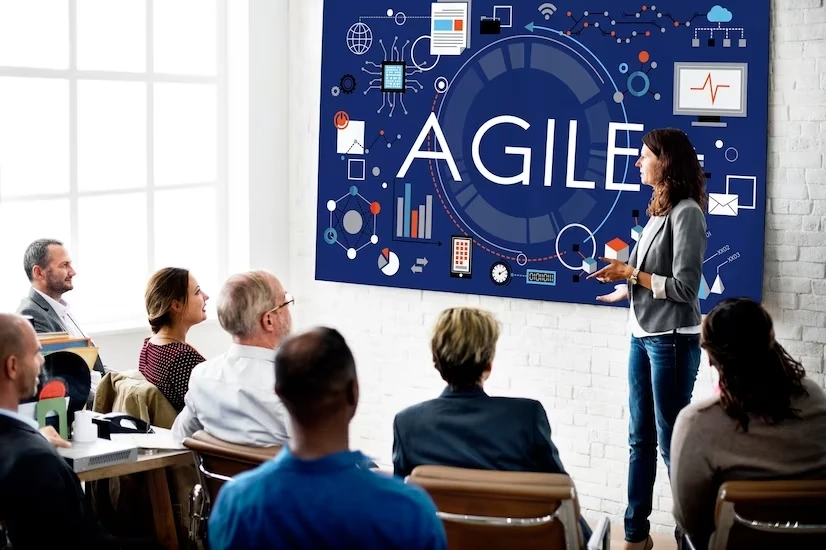

How to Run Agile Retrospectives Meeting: A Guide to Continuous Improvement
Introduction
Agile retrospectives are an essential part of the Agile development process. These meetings provide teams with a structured opportunity to reflect on their performance, identify areas for improvement, and make necessary adjustments to enhance productivity and efficiency. Running effective retrospectives is crucial for fostering a culture of continuous improvement within Agile teams. In this article, we will guide you through the steps of conducting successful Agile retrospectives.
Set the Right Time and FrequencyChoose a suitable time for the retrospective meeting that accommodates all team members. It is usually held at the end of each sprint or iteration, lasting about 1-2 hours for a typical two-week sprint. Consistency is key, so ensure that retrospectives are held regularly to maintain a continuous feedback loop.
Create a Safe EnvironmentEstablish a safe and open environment where team members can freely express their thoughts and feelings. Encourage honesty and ensure that feedback is constructive rather than judgmental. Remind everyone that the goal is not to point fingers but to collaborate on making improvements together.
Define the AgendaA well-defined agenda helps maintain focus and ensures the meeting stays on track. Commonly, retrospectives follow the "Start, Stop, Continue" approach:
Start: Identify actions or practices that the team is not currently doing but should start implementing.Stop: Identify actions or practices that are hindering productivity and should be discontinued.Continue: Acknowledge practices that have been beneficial and should be continued.Gather DataBefore the retrospective, collect data about the sprint or iteration, such as key metrics, accomplishments, challenges, and feedback from stakeholders. Data can be quantitative (e.g., velocity, cycle time) and qualitative (e.g., feedback from customers or team members). Having data-driven insights helps the team in making informed decisions during the retrospective.
Conduct the Retrospective MeetingDuring the retrospective meeting, follow these steps:
a. Icebreaker: Start the meeting with an icebreaker activity to loosen up the team and set a positive tone for the session.
b. Review Data: Present the data gathered before the meeting. Analyze trends and patterns to understand what went well and what needs improvement.
c. Brainstorming: Encourage team members to share their thoughts and ideas regarding what should be started, stopped, or continued. Use techniques like the "Five Whys" to delve deeper into the root causes of any issues.
d. Prioritize and Group: Collaboratively prioritize the identified items and group similar ideas together to avoid duplication.
e. Action Items: Facilitate the creation of actionable items with clear owners and deadlines for each identified improvement.
f. Closing: End the meeting on a positive note, emphasizing the team's commitment to continuous improvement.
Implement and Follow UpThe real value of a retrospective lies in the actions taken afterward. Ensure that the action items are implemented in the upcoming sprint and reviewed during subsequent retrospectives. Assign responsibility for each action item and monitor progress regularly.
Rotate FacilitatorsTo promote team engagement and shared ownership, rotate the role of the retrospective facilitator among team members. This practice prevents a single person from dominating the process and encourages diverse perspectives.
Conclusion
Agile retrospectives are essential for fostering a culture of continuous improvement within Agile teams. By creating a safe environment, defining a clear agenda, and actively involving team members in the process, you can ensure that your retrospective meetings are productive and yield actionable insights. Remember, the success of retrospectives lies not only in conducting the meetings effectively but also in implementing and following up on the identified improvements. With this commitment, your team will steadily improve its processes and achieve higher levels of productivity and collaboration.
With 11+ years of experience in the field, Leanpitch has successfully upskilled 90,000+ people across 12+ countries. Explore our website, Our trainers are internationally acclaimed for their insightful and experiential training.
We upskill and boost your career by providing a wide range of courses such as CSPO Certification, CSM Certification, ICP-ACC Certification, etc. Visit our website to learn more about all the courses we offer.

























Sign in to leave a comment.