

Growing a business is exciting. More orders mean more money, more customers, and more chances to grow. But growth also brings risk. When production goes up, quality can slip. Products may not look the same. Some may break. Some may not work as they should. This can lead to unhappy customers and lost trust. So how do you grow without losing what made people love your product in the first place? The good news is that it is possible. With the right planning, tools, and team, you can scale your production and still keep high quality. This guide will walk you through simple steps to help you do just that.
Why Quality Matters When You Grow
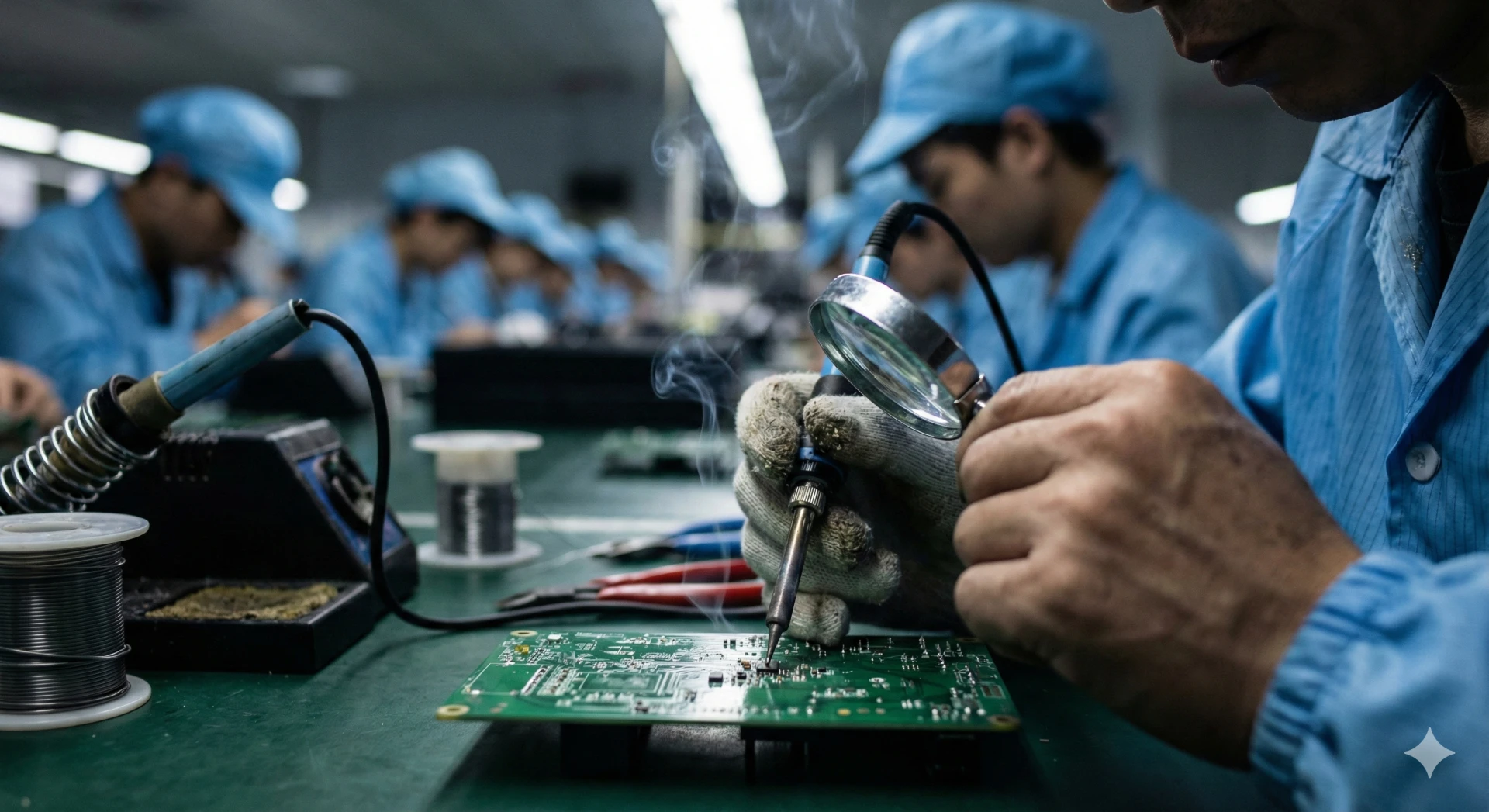
Quality is what keeps customers coming back. Buyers expect the same good product every time, especially when dealing with an electronics manufacturer where consistency matters. A single faulty item can make them switch brands, and in the USA, alternatives are everywhere. Rapid growth without proper systems can lead to mistakes—workers may rush, machines may go unchecked, and materials may vary. All of these issues can hurt quality and damage your reputation. That’s why maintaining high standards must be part of your growth plan from the very beginning, ensuring customers stay loyal and your business continues to thrive.
Set Clear Quality Standards
Before you make more products, you need to know what “good” looks like. This means setting clear quality rules. Write down what makes your product great. Is it strong? Is it safe? Does it look clean and neat? Does it work every time? These rules should be simple and easy to understand. Every worker, from the person who buys materials to the one who packs the box, should know these rules. When everyone knows what is expected, it is easier to keep quality high, even when you make more products.
Use the Right Tools and Machines
When you grow, doing everything by hand may not work anymore. This is where machines and tools help. Good machines can make work faster and more evenly. They help cut down on human error. But buying new machines is not just about speed. You must also think about quality. Look for tools that are known for making clean, accurate, and strong products. Even a small upgrade can make a big difference. In the USA, many factories use smart tools that can track mistakes and fix problems early. These tools can tell you when something is off, so you can fix it before it becomes a big issue.
Train Your Team Well
Your team is the heart of your business. Even the best machines cannot fix poor training. When you hire new workers to meet higher demand, make sure they get proper training. Show them how to do their job the right way. Explain why quality matters. Let them ask questions. A well-trained worker is more confident and makes fewer mistakes. Also, keep training your old workers. As you grow, things change. New tools, new rules, and new products may come in. Regular training keeps everyone on the same page.
Keep a Close Eye on Your Process
One of the best ways to keep quality high is to check your work often. This means looking at your production process from start to finish. Check your materials when they arrive. Look at products during production. Check them again before they go out. These checks help catch problems early. You do not need to check every single item. Even small sample checks can show you if something is wrong. When you find a problem, fix it right away.
Work With Trusted Suppliers
Your product is only as good as the parts and materials you use. If you get poor materials, your product will suffer. Choose suppliers who are known for good quality. It may cost a bit more, but it is worth it. Cheap materials can lead to broken products, returns, and bad reviews. Build strong relationships with your suppliers. Talk to them often. Let them know your quality needs. When they understand what you want, they are more likely to deliver it.
Use Simple Systems to Stay Organized
As production grows, things can get messy. Orders, materials, and products can pile up. This can lead to mistakes. Use simple systems to track what is going on. This could be a basic computer program or even a well-made chart. The goal is to know what you have, what you need, and what is going out. When everything is clear, it is easier to spot problems and fix them before they hurt quality.
Listen to Your Customers
Your customers can be your best quality check. They will tell you if something is wrong. Read reviews. Answer emails. Pay attention to complaints. If many people say the same thing, it is likely a real issue. Use this feedback to improve your electronics product design and production process. When customers see that you care, they are more likely to stay loyal.
Conclusion
Scaling production does not have to mean losing quality. With clear rules, good tools, strong training, and a focus on improvement, you can grow and still deliver great products. Remember, quality is what builds trust. And trust is what builds a strong business. By putting quality first, you set yourself up for long-term success in the busy and competitive USA market.


























Sign in to leave a comment.