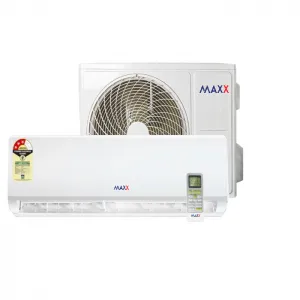

Choosing the right marine air conditioning system is an important part of maintaining a comfortable environment onboard a vessel. Whether you operate a commercial ship, passenger vessel, yacht, workboat, or offshore facility, effective climate control helps create suitable conditions for crew members, passengers, and onboard personnel.
Marine vessels operate in environments that are very different from buildings on land. High humidity, salt-laden air, changing weather conditions, vessel movement, and limited installation space can all affect air conditioning performance.
Selecting the right system from the beginning can help improve onboard comfort, reduce unnecessary energy consumption, and support dependable operation throughout the vessel's service life.
In this guide, we'll explore the important factors to consider when choosing a marine air conditioning system and the features that can make a system suitable for demanding marine applications.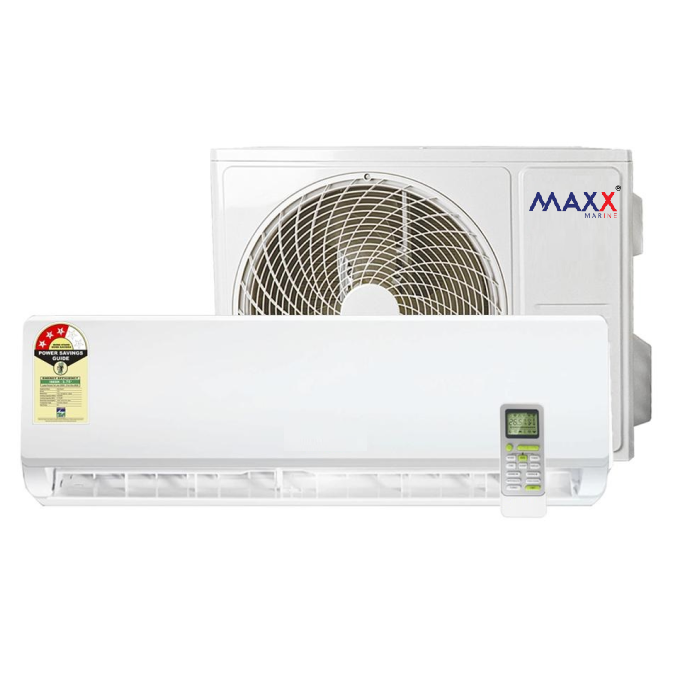
Why Marine Air Conditioning Is Essential Onboard
Temperature control plays an important role in the comfort of people living and working at sea. During long voyages, crew members and passengers may spend significant amounts of time inside cabins, lounges, offices, dining areas, and other enclosed spaces.
A reliable marine air conditioning system helps maintain comfortable indoor temperatures even when external conditions are hot and humid.
Air conditioning can also help control indoor humidity. Excess moisture can create an uncomfortable environment and may contribute to condensation and other moisture-related concerns.
For commercial and offshore vessels, climate control can also support productivity. Comfortable working and accommodation areas can contribute to a better onboard environment for everyone.
Understanding Your Vessel's Air Conditioning Requirements
Every vessel has unique climate control requirements. The right system depends on several factors, including the vessel's size, design, operating region, and intended purpose.
A small yacht may need air conditioning for a few cabins and living areas, while a large passenger vessel may require climate control throughout multiple accommodation and public spaces.
The size and number of rooms, insulation, window exposure, occupancy levels, and local climate all influence cooling requirements.
Before selecting a marine air conditioning system, operators should evaluate the areas that need to be conditioned and determine the appropriate cooling capacity.
Correct sizing is important. An undersized system may struggle to maintain the desired temperature, while an oversized system may consume more energy than necessary.
Key Factors to Consider When Choosing a marine air conditioning system
Selecting a marine air conditioning system requires careful consideration of the vessel's operational needs and environmental conditions.
- Cooling Capacity
Choose a system with sufficient capacity for the size and layout of the areas being cooled. Proper sizing supports consistent temperature control and efficient operation. - Marine-Grade Construction
Marine air conditioning equipment should be built to withstand demanding conditions. Durable construction helps support reliable performance during long-term use. - Corrosion Resistance
Saltwater exposure and humid air can accelerate corrosion. Components designed with corrosion-resistant materials can help protect the system and extend its operational life. - Electrical Compatibility
Check the vessel's available voltage and frequency before selecting equipment. Matching the system to the onboard electrical infrastructure helps support dependable operation. - Energy Efficiency
marine air conditioning systems may operate for extended periods. Energy-efficient components can help reduce electricity consumption and operating expenses. - Available Installation Space
Space is often limited onboard vessels. Select equipment that can be installed efficiently without interfering with other systems or reducing valuable accommodation space.
Essential Features to Look for in Marine Air Conditioning Equipment
The right features can make a marine air conditioning system more practical and reliable for onboard use.
- Efficient Compressor
A reliable compressor provides consistent cooling performance while helping manage energy consumption during extended operation. - Accurate Temperature Control
Precise controls allow users to maintain comfortable temperatures in cabins, offices, lounges, and other interior spaces. - Corrosion-Resistant Components
Materials designed to resist moisture and salt exposure can help reduce premature deterioration in marine environments. - Marine-Suitable Heat Exchangers
Durable heat exchangers support effective cooling while providing greater resistance to demanding operating conditions. - Compact Design
Space-efficient equipment is easier to integrate into vessels where installation areas may be limited. - Quiet Operation
Low-noise performance helps create a more comfortable environment in sleeping and accommodation areas.
Choosing a marine air conditioning system for Different Vessels
The best marine air conditioning system will depend on the type of vessel and its specific requirements.
On cruise ships and passenger vessels, air conditioning may be required across cabins, restaurants, entertainment areas, lounges, and other public spaces. These systems need to provide consistent performance while handling varying occupancy levels.
Cargo ships and commercial vessels may primarily require climate control for crew cabins, offices, navigation areas, and common spaces. Efficient equipment can help maintain comfort without placing unnecessary demands on the vessel's electrical system.
Yachts often have different priorities. Compact dimensions, quiet operation, attractive installation, and energy efficiency can be particularly important in smaller accommodation areas.
Offshore platforms and support vessels may operate in harsh conditions where high humidity and salt exposure are common. Equipment selected for these applications should be durable enough to provide reliable performance in demanding environments.
Improving Comfort and Efficiency Onboard
A dependable marine air conditioning system can make a significant difference to the onboard environment.
Maintaining comfortable temperatures helps create better living and working conditions for crew members and passengers. This is particularly important during long voyages or operations in warm climates.
Humidity control also contributes to indoor comfort. Reducing excessive moisture can help create a more pleasant environment while minimizing condensation-related concerns.
Energy-efficient equipment provides another advantage. By reducing unnecessary power consumption, an efficient system can help marine operators manage onboard energy resources more effectively.
The right combination of cooling performance, energy efficiency, and reliable operation can support a more comfortable and efficient vessel.
How the Right Marine Air Conditioning System Improves Onboard Comfort
A dependable Marine Air Conditioning System can significantly improve the onboard experience.
Maintaining comfortable temperatures helps crew members rest and work more effectively. For passengers, reliable climate control contributes to a more enjoyable journey.
Humidity management can further improve indoor comfort by reducing excessive moisture in cabins and common areas.
When combined with efficient airflow and proper ventilation, a suitable marine air conditioning system can create a more comfortable and healthier indoor environment.
Why Choose MAXX Marine for Marine Air Conditioning Solutions?
At MAXX Marine, we understand the importance of reliable climate control in marine environments. Ships and offshore facilities require air conditioning solutions that can perform consistently while operating under demanding conditions.
Our marine HVAC solutions are designed to support the needs of modern marine applications. When selecting a marine air conditioning system, we focus on important factors such as cooling performance, durability, electrical compatibility, energy efficiency, and practical installation requirements.
A properly selected system can help improve onboard comfort while supporting efficient vessel operations. It can also provide reliable climate control across cabins, crew areas, offices, and other interior spaces.
Our goal is to help marine operators find practical equipment that supports comfort, efficiency, and long-term operational reliability.
Conclusion
Selecting the right marine air conditioning system requires careful planning and an understanding of the vessel's specific requirements.
Factors such as cooling capacity, electrical compatibility, corrosion resistance, energy efficiency, installation space, noise levels, and maintenance requirements should all be considered before making a decision.
A suitable marine air conditioning system can help maintain comfortable indoor temperatures, manage humidity, and support a better environment for crew members and passengers.
By choosing equipment designed for marine applications and matching it to the vessel's operational needs, operators can achieve reliable climate control and long-term performance.
For dependable marine air conditioning systems, HVAC solutions, and climate control equipment, MAXX Marine provides reliable solutions designed to support the demanding requirements of modern vessels and offshore facilities.

























Sign in to leave a comment.