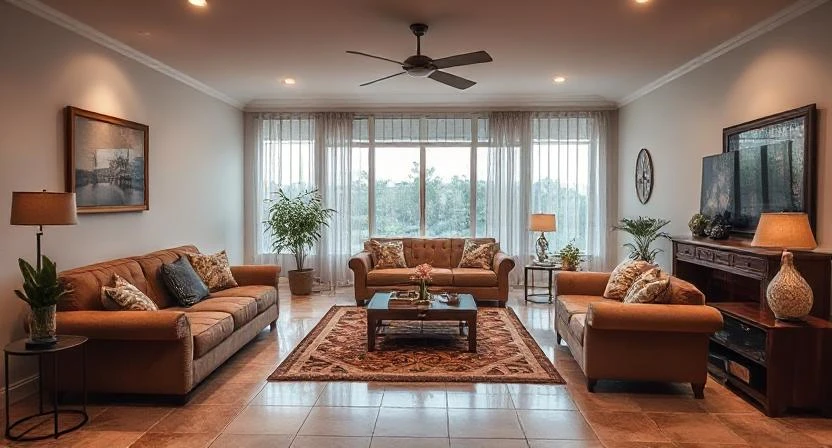
The quest for the perfect tile can feel like a hunt for buried treasure. You have a vision: a bathroom that feels like a spa, a kitchen backsplash that becomes a conversation piece, an entryway that makes a stunning first impression. You walk into a familiar big-box store, brimming with hope, only to be met with aisles of predictable, mass-produced options. The selections are safe, perhaps even stylish in a ubiquitous way, but they lack soul. They don’t tell a story. They won’t transform your home into the unique sanctuary you imagine.
This is the moment you realize that true design magic happens off the beaten path. Sourcing unique tiles is an adventure, a creative pursuit that rewards curiosity and patience. It’s about discovering materials with character, history, and artistry that standard supply chains cannot replicate. Moving beyond the conventional retail landscape opens up a world of possibilities, from century-old reclaimed brick to hand-painted Moroccan zellige, from artisan-made cement tiles to digitally printed murals. This journey requires a different map, one that leads to hidden workshops, online artisan collectives, architectural salvage yards, and specialized tile shops.
The reward for this effort is a space that is authentically, unmistakably yours. It’s the difference between a house that is furnished and a home that is curated. This guide is your compass for that journey, offering pathways to discover tiles that resonate with personality and craft.
The Allure of the Unique: Why Go Beyond the Ordinary?
Before embarking on this sourcing adventure, it’s important to understand what sets unique tiles apart. Mass-produced tiles are designed for consistency, durability, and ease of installation on a colossal scale. While these are admirable qualities, they often come at the cost of individuality.
Unique tiles, on the other hand, celebrate their imperfections. The slight variation in the glaze of a hand-painted tile, the subtle textural undulations of a handmade surface, the faded patina of a reclaimed piece—these are not flaws. They are marks of authenticity, the fingerprints of human hands and the passage of time. They add depth, warmth, and a narrative quality to a room. Using such tiles is a declaration against the homogeneity of modern interiors. It is a choice to surround yourself with objects that have presence and purpose, turning your floors and walls into a canvas of personal expression.
Pathways to Discovery: Where to Find extraordinary Tiles
The world of unique tiles is vast and varied. Knowing where to look is the first step toward finding your perfect match.
1. Architectural Salvage and Reclamation Yards
For those who love history and sustainability, there is no better source than a salvage yard. These treasure troves are filled with materials rescued from demolished buildings, historic renovations, and estate clearances. Here, you might find:
- Reclaimed Brick and Stone: Aged with a beautiful, irreplicable patina, perfect for creating a sense of instant history in a new build or adding character to a fireplace surround.
- Vintage Ceramic and Encaustic Tiles: From classic black-and-white checkerboard floors from the early 20th century to colorful Victorian bathroom tiles, these pieces are bursting with charm. Their slight wear tells a story of a past life.
- Antique Terracotta: Large, rustic floor tiles from old farms or European estates, each one uniquely shaped and colored by decades of use.
Sourcing Tip: Be prepared to dig. Quantities are often limited and one-of-a-kind, so you need to be flexible with your design. Always inspect pieces for cracks or deep wear that might affect functionality. Calculate your square footage needs carefully, as finding exact matches later may be impossible.
2. Artisan Tile Makers and Local Ceramic Studios
This is perhaps the most direct route to a truly one-of-a-kind installation. Individual artists and small studios create tiles as functional art. Working with an artisan allows for complete customization of color, shape, gloss, and pattern.
- Hand-Painted Tiles: Often featuring intricate patterns, botanical motifs, or custom illustrations. A hand-painted splashback or accent wall becomes a breathtaking focal point.
- Custom Cement Tiles: While many companies produce these, working with a small-batch artisan allows you to design a pattern and color palette exclusive to your home.
- Sculptural and Textured Tiles: Some artists create tiles with three-dimensional surfaces, adding a incredible tactile element to a wall.
Sourcing Tip: Instagram and Pinterest are powerful tools for discovering tile artists. Search hashtags like #handmadetiles, #artisantiles, or #cementtile. Visit local art fairs and craft markets. Don’t be afraid to reach out to a ceramicist whose work you admire; many welcome commissions.
3. Online Marketplaces for Artisans
The internet has democratized access to global craftsmanship. Platforms like Etsy, Makerfolk, and others connect buyers directly with small-scale tile makers from around the world. This is an excellent way to source:
- Portuguese Azulejos: The iconic blue-and-white painted tiles, or modern interpretations of them.
- Mexican Talavera: Vibrantly colored, majolica-style tiles with folk-art patterns.
- Moroccan Zellige: Hand-cut geometric tiles with a shimmering, undulating surface that reflects light beautifully.
- Turkish Iznik-style Tiles: Featuring elaborate floral designs in cobalt, turquoise, and red.
Sourcing Tip: Always, without exception, order samples first. Colors on screen can be deceiving, and the handmade nature means variation is part of the charm. Understand the shipping costs and timelines, as importing tiles can be expensive and slow.
4. Specialized Importers and Boutique Tile Showrooms
For a more curated experience, seek out a high-end tile shop that specializes in unique, often imported, products. These showrooms act as gatekeepers, having already scoured the globe for exceptional manufacturers. They offer the tactile experience of a showroom with a selection you won’t find anywhere else. Here, you can find:
- High-Quality European Porcelain: Mimicking natural materials like marble, wood, and concrete with astonishing realism, often in large, seamless formats.
- Authentic Italian Glass Mosaics: In a dizzying array of colors and finishes.
- Specialist Stone: Such as rare marbles, fossilized limestone, or dramatic slates.
- Expert Guidance: The staff in these establishments are often highly knowledgeable about trends, installation techniques, and design principles.
Sourcing Tip: Visiting a specialized tile shop is an education in itself. Tell the consultants about your project and budget. They can often suggest stunning alternatives you hadn’t considered. While prices can be higher, the quality, uniqueness, and expert advice are frequently worth the investment.
5. Direct-from-Manufacturer (for smaller, designer brands)
Some smaller tile companies, particularly those specializing in cement tiles or specific handmade styles, sell primarily through their own websites. Going direct can sometimes offer a better price and a direct line of communication for questions about customization and order tracking.
Sourcing Tip: Research the company thoroughly. Read reviews, understand their ordering process, and confirm their lead times. Their websites often include extensive lookbooks and installation photos for inspiration.
6. Unconventional Sources: Thinking Outside the Box
Sometimes, the perfect "tile" isn’t a tile at all. Broaden your definition of wall and floor coverings.
- Slice and Polish: Thin slices of natural stone or agate can be mounted as stunning, translucent wall panels, especially when backlit.
- Repurpose: Old porcelain plates or decorative platters can be broken and used to create a unique mosaic tabletop or wall art, a technique known as pique assiette.
- Other Materials: Don’t overlook materials like metal, leather, or even resin, which can be used to create dramatic and utterly unique surfaces.
The Practicalities of the Hunt: A Sourcer’s Checklist
Venturing beyond the standard supply chain requires a shift in mindset and a dose of practical preparation.
- Embrace the Sample: This is the most critical rule. Order physical samples of everything. View them in the actual space where they will be installed, at different times of day under both natural and artificial light. Lay them on the floor, prop them on the wall. Live with them for a few days.
- Calculate and Over-Order: With unique, handmade, or vintage tiles, variation between dye lots is a guarantee, and future batches may not match. It is essential to calculate your square footage accurately and then order a significant overage—typically 15-20% for handmade or irregular tiles, and even more for complex patterns or diagonal layouts. This covers cuts, breakage, and mistakes. Keep the extras for future repairs.
- Understand the Installation: Not all tiles are installed the same way. Reclaimed brick may need intensive cleaning and sealing. Delicate handmade zellige requires a skilled installer who understands how to work with its uneven thickness and celebrate its variation. Cement tiles must be properly sealed before and after installation to prevent staining. Factor the cost and expertise of a specialized installer into your budget from the beginning.
- Patience is a Virtue: Unique tiles are not typically sitting in a warehouse. They are made to order, shipped from overseas, or painstakingly collected. Lead times can be weeks or even months. Plan your project timeline accordingly to avoid frustration.
- Budget for the Entire Project: The tile itself is only part of the cost. Remember to factor in shipping (which can be substantial for heavy materials), specialized installation, any required unique substrates or mortars, and sealing products.
Sourcing unique tiles is a deeply rewarding process that moves home improvement from a task to a passion project. It connects you to the history of a material, the skill of an artisan, and the story of a place. It transforms your home into a collection of thoughtful choices rather than a catalogue of standard items. By venturing beyond the big-box store, you become more than a consumer; you become a curator, a patron of crafts, and the author of your home’s unique and beautiful story. So arm yourself with curiosity, embrace the hunt, and prepare to find tiles that don’t just cover your surfaces—they define them.
























Sign in to leave a comment.