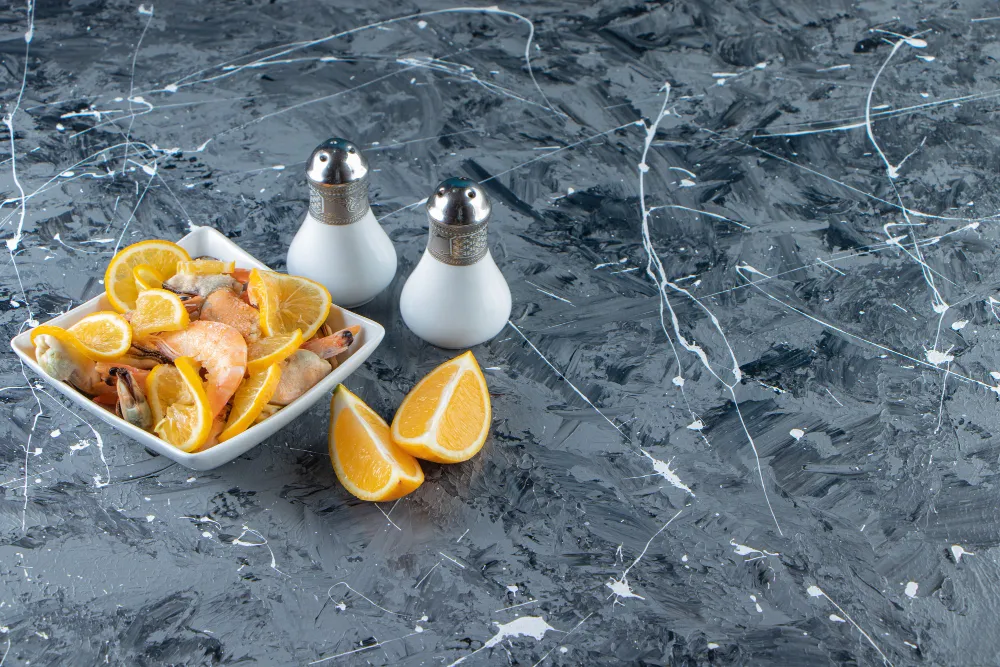

Granite countertops remain one of the most sought-after upgrades for kitchens and bathrooms, and for good reason. They offer durability, natural beauty, and long-term value. However, not all granite slabs are created equal. If you’re planning to invest in Granite Countertops in Morris County, NJ, knowing how to identify high-quality material can save you from costly mistakes and disappointment down the line.
This guide breaks down exactly what to look for so you can confidently choose the best granite slab for your space.
1. Examine the Thickness of the Slab
One of the first indicators of quality is slab thickness. Standard granite slabs typically come in 2 cm (about ¾ inch) or 3 cm (about 1¼ inches).
- 3 cm slabs are considered higher quality because they are stronger and require less additional support.
- 2 cm slabs can still be used, but they often need plywood backing for reinforcement.
If durability and longevity are your priorities, always lean toward thicker slabs. They are less likely to crack and tend to hold up better over time.
2. Check for Consistent Color and Pattern
Granite is a natural stone, so variations are expected, but there’s a difference between natural variation and inconsistency caused by lower-grade materials.
When inspecting a slab:
- Look for even distribution of minerals and colors
- Avoid slabs with large dull patches or excessive discoloration
- Ensure the pattern flows naturally across the surface
High-quality granite will have a balanced and visually appealing pattern without abrupt changes that look unnatural.
3. Inspect for Cracks and Fissures
It’s normal for granite to have minor fissures, which are natural lines formed during stone creation. However, cracks are a different story.
- Fissures: Usually harmless and do not affect durability
- Cracks: Structural issues that can worsen over time
Run your hand across the surface:
- If you feel a separation or unevenness, it may be a crack
- Check edges and corners carefully, as these are common weak points
Always avoid slabs with visible cracks, even if they’re discounted.
4. Perform the Porosity Test
Granite is porous to varying degrees. High-quality slabs are less porous and more resistant to stains.
A simple water test can help:
- Pour a small amount of water on the surface
- Wait 10–15 minutes
- Wipe it off and check for dark spots
If the stone absorbs water quickly and leaves a stain, it may require frequent sealing. Lower porosity granite is easier to maintain and more durable in kitchen environments.
5. Evaluate the Finish Quality
The finish of a granite slab tells you a lot about how well it has been processed.
Common finishes include:
- Polished (shiny and reflective)
- Honed (matte and smooth)
- Leathered (textured and soft sheen)
Look closely at the finish:
- It should be smooth and even across the entire slab
- There should be no dull patches or cloudy areas
- The reflection (for polished granite) should be clear and sharp
A poor finish can indicate rushed or low-quality processing.
6. Inspect the Edges and Corners
Edges often reveal the craftsmanship behind the slab. Even if the final edge profile will be customized, the raw slab should still show quality.
Check for:
- Clean, straight edges
- No chipping or roughness
- Uniform thickness along the edge
Rough or uneven edges may indicate poor handling or inferior stone quality.
7. Ask About the Origin of the Granite
Granite comes from quarries around the world, including Brazil, India, and Italy. While origin alone doesn’t determine quality, certain regions are known for producing higher-grade stone.
Ask your supplier:
- Where the granite was sourced
- Whether it’s first-grade or commercial-grade
Reputable suppliers will be transparent about sourcing and grading.
8. Look at the Slab in Natural Lighting
Lighting can dramatically affect how granite appears. What looks perfect under showroom lights may look very different in your home.
Whenever possible:
- View the slab in natural daylight
- Step back and observe the full slab, not just a small sample
- Check how the colors and patterns shift under different lighting conditions
This step is especially important if you’re selecting Granite Countertops in Morris County, NJ, where natural and artificial lighting in homes can vary widely.
9. Check Slab Size and Layout Potential
A high-quality slab should not only look good but also fit your design needs.
Consider:
- Whether the slab is large enough to minimize seams
- How the pattern will align across your countertop
- If multiple slabs will match consistently
For larger kitchens, consistency across slabs becomes crucial for a seamless look.
10. Verify Sealing and Maintenance Requirements
Some granite slabs come pre-sealed, while others require sealing after installation.
Ask:
- Has the slab been sealed already?
- How often will it need resealing?
- What type of maintenance is required?
High-quality granite typically requires less frequent sealing, making it more convenient for everyday use.
11. Work with a Trusted Supplier
Even the best slab can become a problem if sourced from an unreliable supplier. Choosing a reputable company ensures:
- Accurate grading and pricing
- Proper handling and storage
- Professional guidance during selection
If you’re investing in Granite Countertops in Morris County, NJ, working with experienced local professionals can make a significant difference in both product quality and installation results.
Final Thoughts
Buying granite is not just about choosing a color you like, it’s about understanding the quality behind the stone. From thickness and porosity to finish and structural integrity, every detail plays a role in how your countertops will perform over time.
Taking the time to inspect slabs carefully, ask the right questions, and work with a reliable supplier ensures that your investment pays off for years to come. High-quality granite doesn’t just enhance your kitchen visually, it adds durability, functionality, and long-term value to your home.
By following these tips, you’ll be well-equipped to select a slab that meets both your aesthetic and practical needs with confidence.

























Sign in to leave a comment.