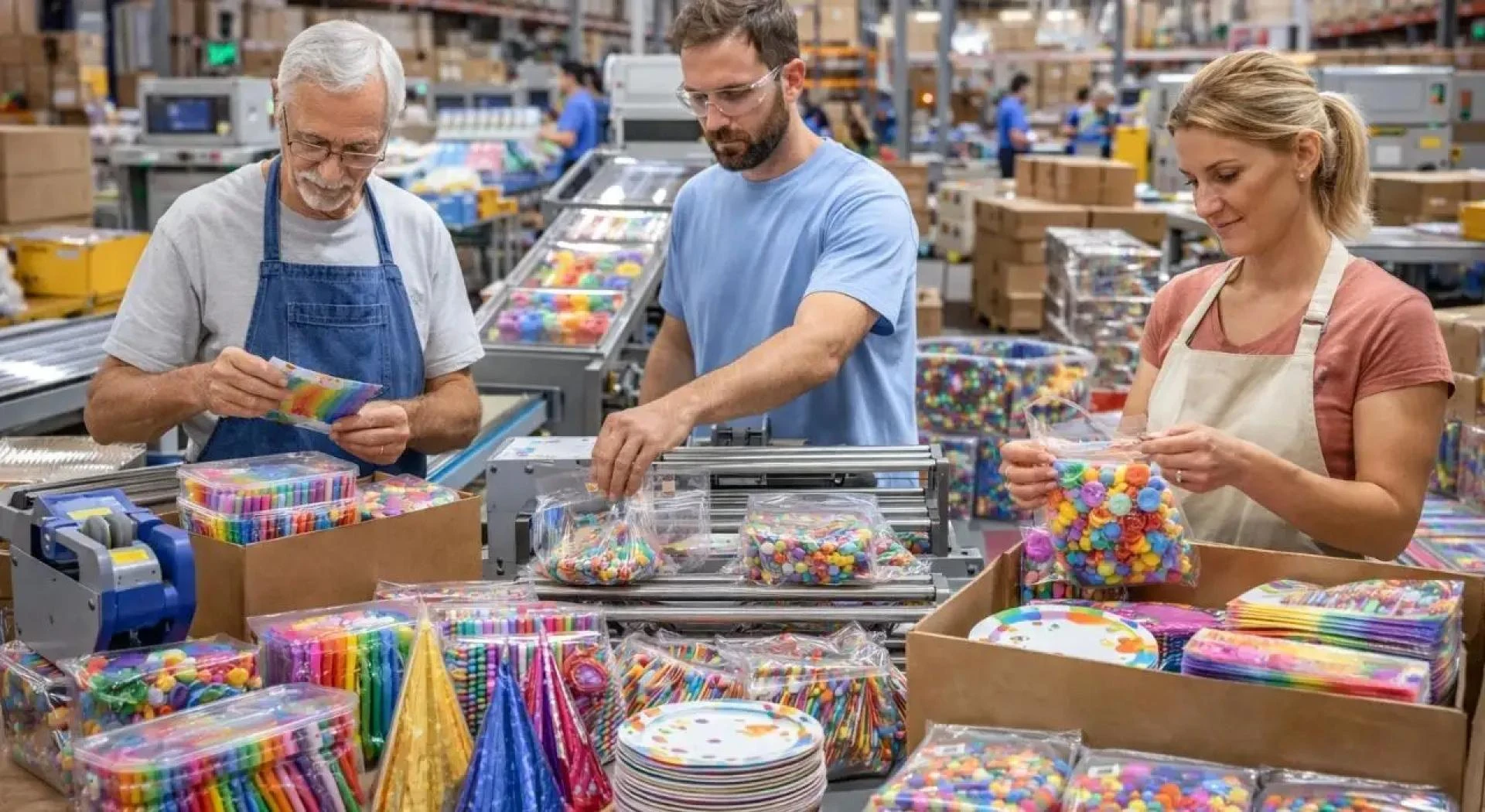

Starting a party supply business in 2026 is one of the safest and most scalable retail opportunities. Celebrations never stop — birthdays, weddings, baby showers, school events, corporate gatherings — every week someone needs decorations and packaging. That means consistent demand all year round.
Most successful sellers today don’t manufacture products themselves. Instead, they combine global sourcing with local distribution. Smart retailers typically work with a balloons manufacturer in china, add profitable packaging from paper gift bags wholesale suppliers, and keep backup inventory from a wholesale party supplier usa to avoid stock-out situations. This hybrid sourcing strategy reduces cost, increases margins, and keeps your store reliable.
In this guide, you’ll understand exactly how beginners start — from choosing products to selling in the US market.
Understand What Actually Sells (Not What You Personally Like)
New sellers usually buy items they think look attractive. The market doesn’t work like that. Party stores run on repeat-purchase products — items customers need every week regardless of trend.
Latex balloons, number foil balloons, birthday banners, cake toppers, return gift bags, and tableware are evergreen products. Parents buy them every year, event planners buy them every month, and schools buy them every season. These items build your daily cash flow.
Seasonal products are different. Halloween décor, Christmas decorations, graduation balloons, and baby shower themes don’t sell year-round, but during their season they can generate 3–5x revenue spikes. A smart store combines evergreen items for stability and seasonal items for growth.
One important rule experienced sellers follow: decorations bring customers into the store, but packaging increases profit at checkout.
Choose the Right Business Model
You don’t need a physical shop to start anymore. Many profitable party businesses begin online and expand later.
An online-only model works best for beginners with low investment. You can start through Shopify, Amazon FBA, or Etsy and test demand before holding large inventory. This reduces risk and teaches you customer behavior quickly.
A hybrid model — small store plus online orders — is more powerful long term. Local customers walk in for urgent needs while online customers place bulk orders. This builds brand trust and recurring sales.
The most profitable model is wholesale supply. Instead of selling to individuals, you supply cake shops, event planners, decorators, and gift stores. One customer becomes 50 end customers indirectly. Your margins per piece are lower but volume is massive and stable.
Source Products the Smart Way (The 3-Supplier Strategy)
Your business success depends more on where you buy than where you sell. Experienced sellers don’t depend on one source — they use three types of suppliers to balance cost and speed.
Importing decorations from China gives the lowest price. Products like latex balloons, foil number balloons, arches, and backdrop kits are manufactured in large volumes there. Buying directly removes multiple middlemen margins and lets you compete with big retailers while still earning profit. Beginners should start small with 15–20 designs instead of importing too many varieties at once.
Packaging products should be purchased in bulk because they carry the highest markup. Customers rarely compare prices of gift bags or wrapping items, especially during urgent purchases. Kraft bags, birthday printed bags, baby shower bags, and festival packaging sell extremely well. Eco-friendly packaging is growing fast in the US market, allowing even higher pricing.
A local distributor is equally important even though prices are higher. Shipping delays, seasonal rush, and sudden bulk orders can create stock shortages. A nearby supplier helps you refill inventory immediately so you never lose customers. Think of this supplier as business insurance rather than a cost.
Calculate Investment and Profit Correctly
Many beginners calculate profit only by product cost. Real profit depends on landed cost — product price plus shipping, duty, packaging, and storage.
For example, if a balloon costs $0.04 from manufacturer but reaches your warehouse at $0.12, your selling price should target $0.40–$0.60 retail or bulk equivalent. Party supplies look cheap individually but generate large margins in bundles. Most revenue comes from kits rather than single items.
Average party store margins:
- Decorations: 40–60%
- Packaging: 70–150%
- Bundles/Kits: 120–250%
Bundles are the secret. A birthday kit with balloons, banner, topper, and bags sells much faster than individual items because customers prefer convenience over searching separately.
Build Your First Product Collection
Your first inventory should not exceed 20–25 products. Too many options confuse customers and block your cash flow.
Start with a simple structure. Core decorations like latex balloons, number balloons, and banners create daily sales. Add one or two themed kits such as unicorn, baby shower, or anniversary for higher cart value. Finally include packaging items like return gift bags to increase profit per order.
This approach ensures fast turnover, and fast turnover means faster reinvestment and growth.
Create Sales Channels
Once products arrive, focus on distribution rather than expanding product range immediately.
Online marketplaces like Amazon generate quick traction because customers already search for party supplies there. Shopify helps build brand identity and repeat buyers. Local event planners and bakeries create recurring bulk orders, which stabilize income.
Many successful businesses begin with marketplace sales, then move customers to their own website where profit margins improve due to no marketplace commission.
Scale the Business
After consistent sales, growth becomes simple: increase quantity, not complexity. Instead of adding hundreds of new items, increase stock of best sellers and introduce bundle variations. Reliable supply chain and predictable inventory outperform large catalogs.
You can later add custom printing, personalized party kits, and subscription celebration boxes — all built on the same supplier network you established at the beginning.
Final Thoughts
A party supply business succeeds because celebrations are emotional purchases, not logical ones. Customers don’t bargain heavily when an event date is near — they value availability and convenience more than price.
By combining low-cost importing, high-margin packaging, and fast local backup supply, even beginners can build a stable retail or wholesale operation. Focus on repeat products, keep inventory simple, and prioritize stock availability. Consistency wins this industry more than creativity.
Start small, restock fast, bundle smart — and your party supply business can grow into a reliable long-term brand.






























Sign in to leave a comment.