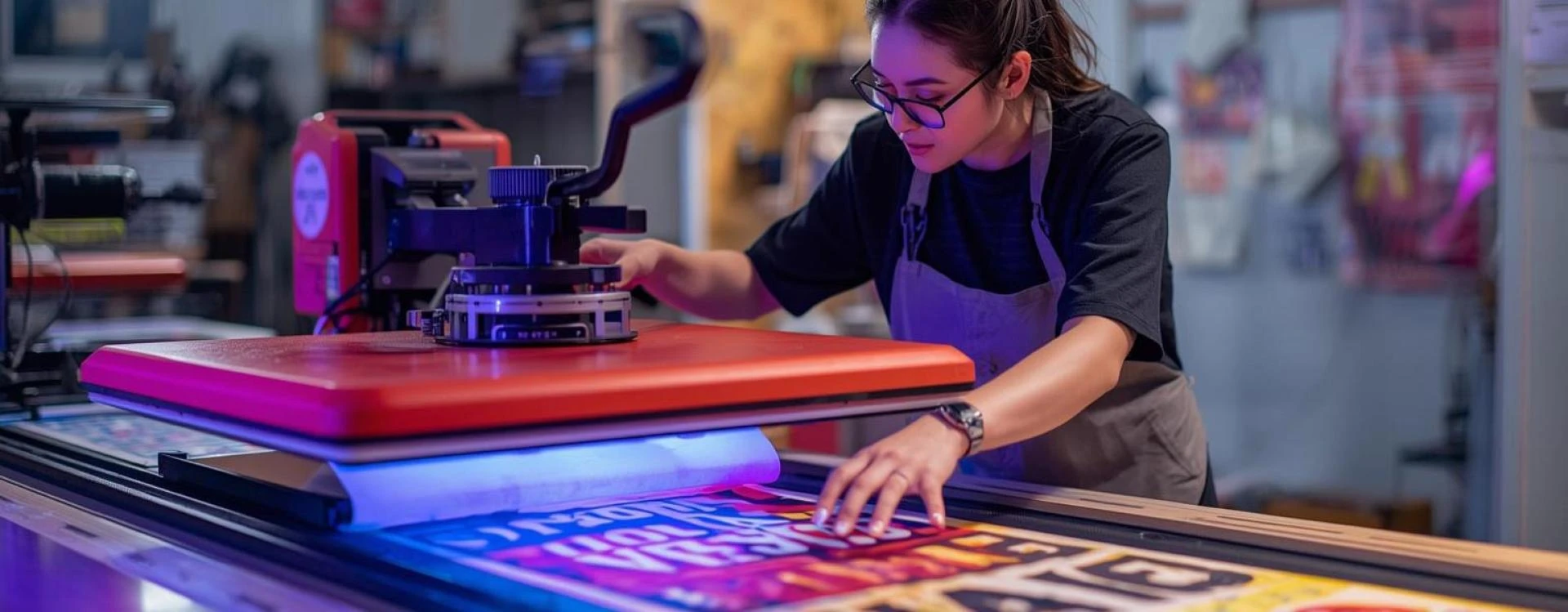

In 2025, the appeal of flexible, low-cost business ideas is stronger than ever. Many people are looking for creative ways to earn extra income — and one of the most promising options is running a heat press business from home. With just one machine and a bit of practice, you can design and produce customised T-shirts, mugs, tote bags, and more — all without the need for a large studio or heavy investment.
1. Why Choose a Heat Press Business?
Personalised products are booming across the UK and Europe. From unique T-shirts to custom mugs and cushions, people love items that express individuality. This growing demand makes heat pressing a smart and accessible entry point for beginners.
Here’s why it stands out among other small business ideas:
- Low initial investment: All you need is a heat press machine, some transfer materials, and blank items.
- Quick to learn: You can start producing quality items after just a few practice runs.
- Compact setup: A small, tidy corner at home is enough to get started.
- Fast returns: Once you have consistent orders, profits can grow quickly.
Whether you’re a student, a part-time entrepreneur, or simply looking to start a creative side hustle, a heat press setup offers flexibility, creativity, and income potential.
2. Choosing the Right Machine and Materials
Before you buy your first heat press, decide what you want to make — your product range determines which type of press suits you best.
Flat Heat Press (Clamshell or Swing-Away)
Ideal for flat items like T-shirts, tote bags, or pillow covers. Swing-away models ensure more even pressure for professional results.
Specialised Heat Presses
Mug presses and cap presses are designed for curved items, ensuring perfect alignment every time.
Multi-Function Heat Press
For those who want to experiment, 5-in-1 or 8-in-1 presses can handle multiple product types — from T-shirts to mugs and plates — all in one setup.
You’ll also need essential consumables:
- Sublimation paper – works best with polyester fabrics or coated materials.
- Heat transfer vinyl (HTV) – suitable for cotton and fabric blends.
- Sublimation ink – delivers vibrant, long-lasting colour.
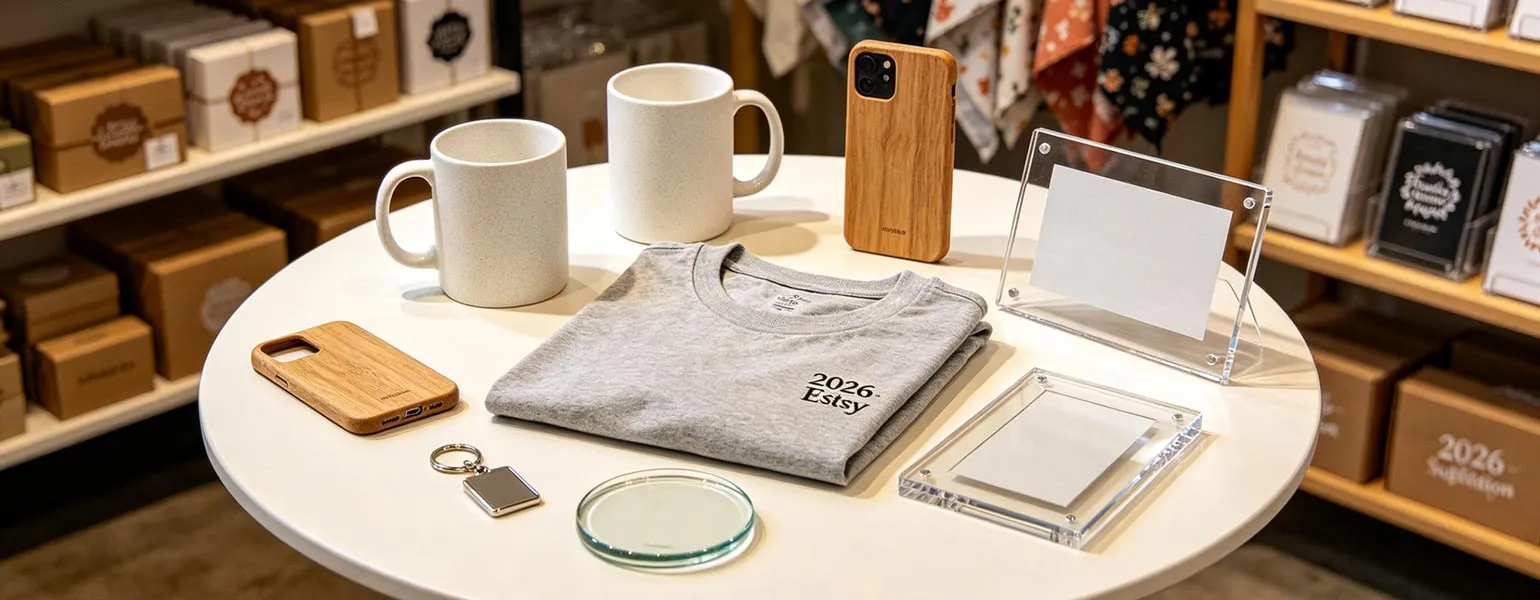
- Blanks – T-shirts, mugs, tote bags, mouse mats, and more.
💡 Tip: Start small. Focus on one or two product types first (like T-shirts or mugs) before expanding your range. This approach helps refine your process and build confidence.
3. From Design to Finished Product
Running a heat press isn’t just about pressing a button — precision makes the difference. Here’s the step-by-step process:
- Create Your Design: Use tools like Canva, Adobe Illustrator, or Cricut Design Space. Keep it high resolution for crisp results.
- Print It Right: Use compatible ink and paper, and for sublimation, always print in mirror mode.
- Pre-Press: Heat the fabric briefly to remove moisture and wrinkles.
- Transfer: Adjust time and temperature according to material:
- Cotton T-shirt (HTV): 150–160°C for 10–15 seconds
- Mug (sublimation): 180–200°C for 40–60 seconds
- Canvas bag: around 160°C for 15–20 seconds
- Cool Down & Inspect: Let it cool before peeling off the film or paper. Check for even colour and clean edges.
📋 Pro tip: Keep a simple log of your temperature, time, and pressure settings. Real-world testing is often more accurate than the default instructions.
4. Marketing and Selling Your Creations
Once your products look professional, it’s time to get them seen. Marketing doesn’t have to be expensive — creativity and consistency matter most.
1. Showcase on Social Media
Platforms like Instagram, Facebook, and TikTok thrive on visuals. Share behind-the-scenes clips of your printing process — short videos attract far more engagement than plain photos.
2. Open an Online Store
Websites such as Etsy, Shopify, and eBay make it easy to sell custom products. If you’re based in the UK, Etsy is especially good for handmade or personalised designs.
3. Partner with Local Businesses
Schools, gyms, cafés, and community clubs often need uniforms, banners, or promotional items. Local partnerships can boost both income and exposure.
4. Plan for Seasonal Sales
Think ahead for events like Christmas, Valentine’s Day, or Mother’s Day. Offer themed designs or gift bundles — customers love easy, thoughtful presents.
🧠 Expert advice: Keep your brand consistent across packaging, photography, and tone. A cohesive look builds trust and encourages repeat buyers.
5. Understanding Costs and Profit Potential
Let’s take T-shirt printing as an example:
- Blank T-shirt: £2–£3
- Transfer vinyl and consumables: £0.50–£1
- Electricity and packaging: about £0.30
- Retail price: £10–£15
That’s roughly £6–£10 profit per shirt. Selling just 10 pieces per day could generate over £1,500 a month — and that’s before you’ve even scaled up. Once you refine your workflow and attract steady customers, the profits can rise quickly.
The beauty of a heat press business is scalability — you can start small, learn as you go, and expand naturally without taking big financial risks.
6. FAQs and Practical Tips
Do I need a special workspace?
Not necessarily — a clean, well-ventilated corner will do. Just keep it free from dust and pets.
Should I register as a business?
If you plan to sell regularly, registering as a sole trader and keeping simple tax records is advisable.
What if colours don’t match customer expectations?
Confirm designs before printing. If mistakes happen, offering a reprint shows professionalism and helps maintain good reviews.
How can I stand out?
Use eco-friendly inks, high-quality blanks, and premium vinyl. Customers notice the difference.
7. Final Thoughts
A heat press machine can turn creativity into income — it’s more than a tool; it’s a gateway to independence. You don’t need a massive budget or a factory setup. What you truly need is consistency, attention to detail, and a passion for design.
In 2025, when flexibility and creativity are more valuable than ever, running your own heat press business could be the small start that leads to something big.





























Sign in to leave a comment.