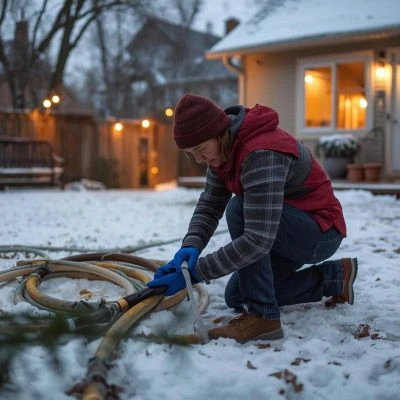

As the chill of winter starts to creep in, many of us begin packing away garden tools, tidying up the patio, and preparing our homes for colder days ahead. One thing that often gets forgotten, though, is the humble hose pipe. It may not be the first job on your list, but taking a little time now can spare you a very soggy headache later.
In this guide, we’ll look at why hose pipes freeze, what you can do to prevent it, and how to deal with a frozen hose safely — all in simple, practical steps you can follow today.
Why Hose Pipes Freeze in the First Place
When temperatures dip below 0°C, any water left sitting inside your hose begins to freeze. As water turns to ice, it expands, creating pressure that can crack or split the hose from the inside out. Sometimes the damage is obvious; other times the weakness only shows up later as small, annoying leaks.
And it’s not just the hose that’s at risk. The tap, connectors, and fittings around it can freeze as well. In some cases, the pipe that feeds the outdoor tap — the bit hidden inside your wall — can burst. No one wants to wake up to that.
Simple Ways to Keep Your Hose Pipe From Freezing
1. Empty All the Water
It sounds obvious, but it’s the single most important step.
Disconnect the hose, lift one end high, and let gravity do the work. For longer hoses, stretch them out straight so every drop can escape. Once dry, coil it loosely and move it somewhere sheltered.
2. Store the Hose Indoors
Even hoses labelled “frost-resistant” can stiffen and crack after a long winter outdoors. A shed, garage, or utility cupboard is ideal. Just make sure the hose is fully dry before putting it away — a damp hose rolled up all winter can develop mould or a musty smell.
Helpful tip:
If you use your hose year-round, a wall-mounted hose reel with a cover keeps things neat and accessible.
3. Insulate the Outdoor Tap
The tap itself is just as vulnerable. A simple insulated tap cover works wonders and costs very little.
No cover to hand? Wrap a few old towels around the tap, secure them with tape, and then pop a plastic bag over the top to keep everything dry.
Don’t forget to remove any connectors — store them indoors until spring.
4. Always Disconnect the Hose After Use
During winter, leaving the hose attached traps water in the tap fitting, which is often the first spot to freeze. Make it a habit to disconnect it after each use — it takes seconds and can prevent expensive repairs down the line.
5. Consider Frost-Proof Options
If you rely on outdoor water during winter, a frost-proof outdoor tap is a brilliant upgrade. It drains itself automatically when switched off, reducing the chance of freezing inside the exposed pipe.
There are also hoses designed for cold-weather use, made with materials that stay flexible even in low temperatures.
6. Keep the Area Clear
Give your outdoor tap a bit of breathing space. Buckets, tools, or pots stacked around it can trap cold, damp air. A clear area helps the tap stay slightly warmer and reduces the risk of frost damage.
What to Do If Your Hose Pipe Is Already Frozen
First things first — don’t panic, and definitely don’t force anything.
Here’s what to do:
- Switch off the water supply to the outdoor tap if you can.
- Warm it gradually, using a towel soaked in warm (not boiling) water. Avoid heat guns, lighters or anything with an open flame — these can melt plastic and damage metal fittings.
- Check for cracks once everything has thawed. If you find any splits, it’s best to replace the damaged part rather than try to patch it.
Easy Year-Round Maintenance Tips
Keeping your hose in good condition isn’t just a winter job. A few habits help it last much longer:
- Drain after each use
- Coil loosely without tight kinks
- Keep out of direct summer sun
- Check washers and connectors every few months
A little care goes a long way — and ensures your hose is ready to go as soon as spring returns.
Final Thoughts
Protecting your hose pipe from freezing is a tiny task that makes a huge difference. By draining it properly, storing it somewhere warm, and insulating the tap, you’ll avoid cracks, leaks, and unexpected repair bills.
Winter can be harsh on outdoor equipment, but with just a few minutes of preparation, your hose pipe will sail through the cold months and be ready for action when the warmer weather arrives.




























Sign in to leave a comment.