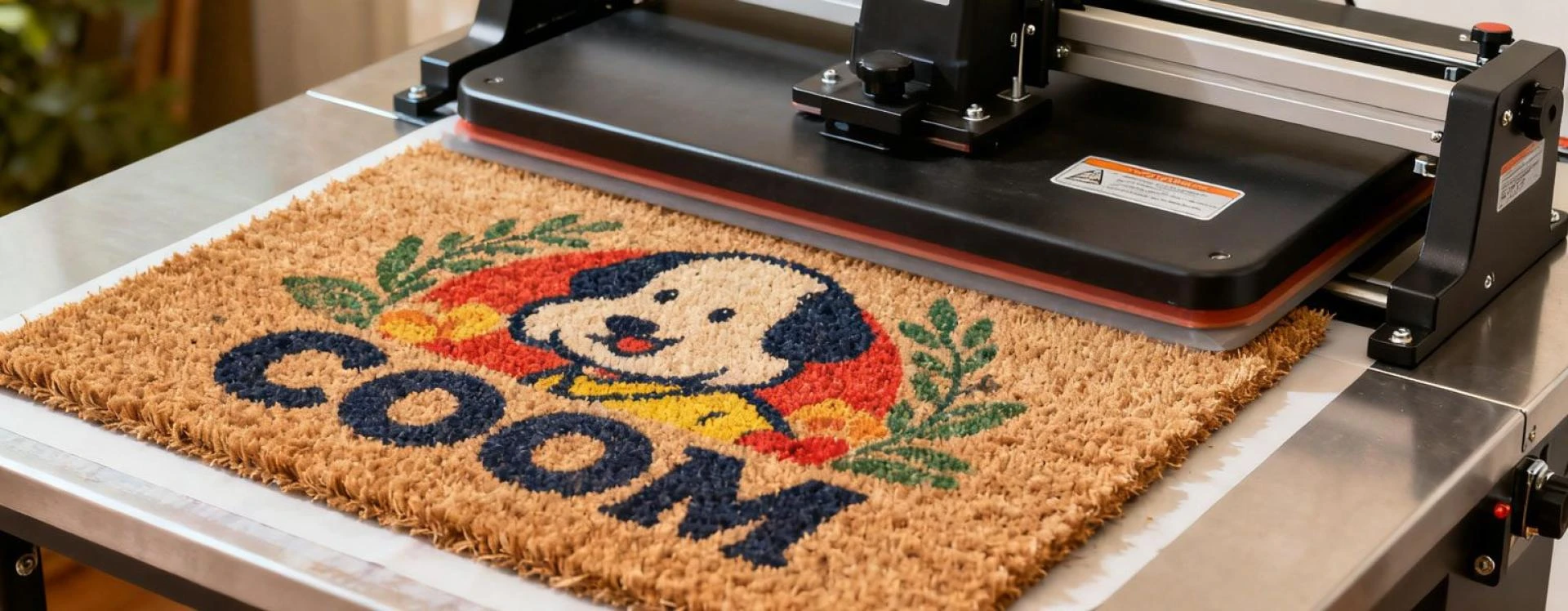
Coir doormats have long been a classic choice for British homes. Their natural durability, rustic charm, and functional design make them perfect for high-traffic entryways. In recent years, the rise of personalised home décor has turned coir mats into a creative canvas, allowing enthusiasts and small businesses to craft unique, customised designs using sublimation printing. Whether it’s a witty greeting, seasonal artwork, or a monogram, sublimation offers a modern way to personalise this traditional household staple.
Understanding Coir: Nature’s Durable Fibre
Coir (pronounced “coy-er”) comes from the outer husk of coconuts. Its coarse, resilient fibres are naturally resistant to moisture, making coir ideal for doormats. The rough texture effectively scrapes dirt from shoes, keeping hallways and carpets cleaner, which is particularly valuable during wet, rainy seasons common across the UK.
Traditional coir mats tend to have a warm brown hue, giving a natural, earthy aesthetic to a home entrance. Beyond practicality, coir provides an excellent base for custom designs. Its fibrous surface, however, presents unique challenges for printing methods such as sublimation, which is traditionally designed for synthetic fibres.
Can You Sublimate on Coir?
Sublimation printing on coir is possible, but it behaves differently than on polyester. Since coir is a natural fibre, dyes don’t penetrate the material as they do with synthetic surfaces. Instead, sublimation transfers sit primarily on the surface, binding with the fibre structure under heat and pressure.
Success depends on several factors:
- High-quality sublimation ink to ensure clear, vivid colours
- Reliable heat press with even pressure distribution
- Bold, high-contrast designs that work well on textured surfaces
- Protective layers, such as Teflon sheets, to safeguard the mat and the press
While the colours won’t be as vibrant as on a polyester garment, sublimation on coir results in a long-lasting, rustic design that complements the mat’s natural aesthetic.
Essential Tools and Materials
Before beginning a DIY sublimation project on coir mats, gather the following:
Equipment:
- Sublimation printer with compatible ink
- High-release sublimation paper
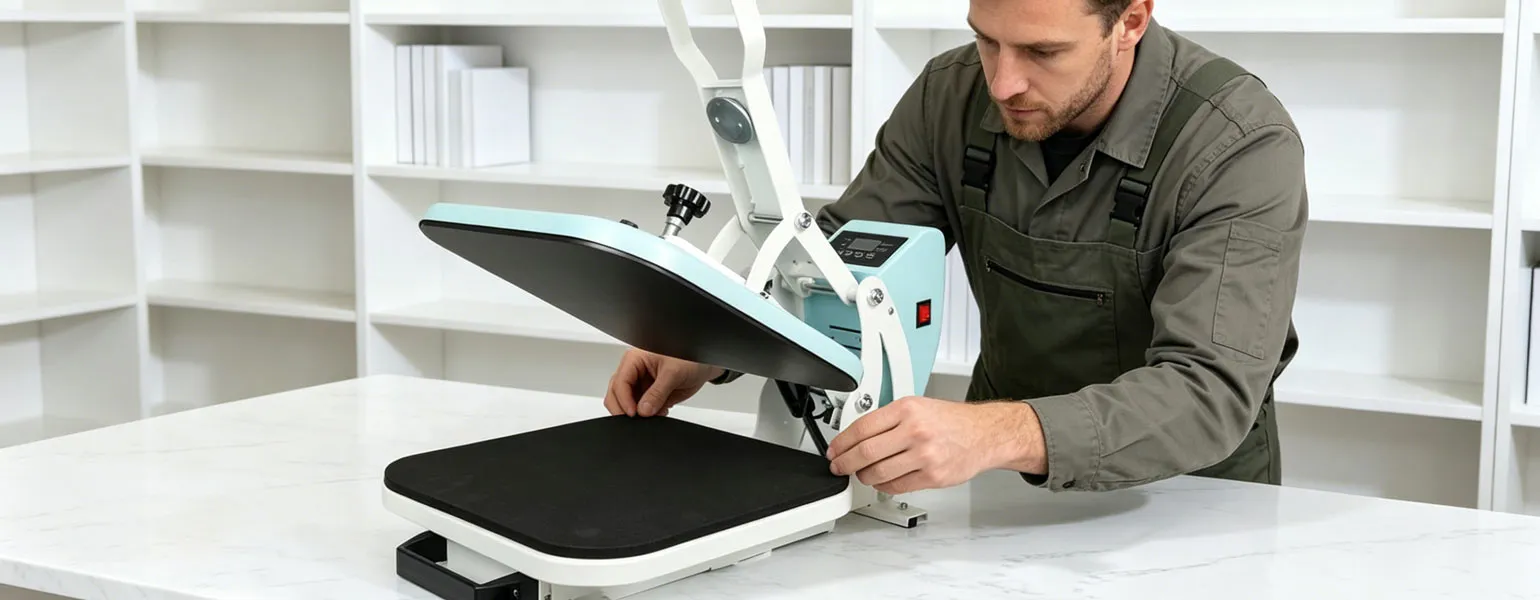
- Heat press (a flat, wide press works best)
Materials:
- Natural coir doormat
- Heat-resistant tape
- Non-stick Teflon sheet or baking paper
- A lint roller or a stiff brush to prepare the surface
Optional Tools:
- Cardboard template for stabilisation
- Heavy-duty pressure mat
- Light spray adhesive, depending on the technique
Preparation is key to achieving a professional finish and avoiding uneven transfers.
Step 1: Designing Your Artwork
The first step is creating a digital design tailored for sublimation. Because coir is textured, fine details can get lost, so bold graphics, thick lettering, and high-contrast elements are best.
Design tips:
- Use bold fonts or thick graphics
- Avoid tiny text and delicate lines
- Set your canvas size to match the mat
- Mirror the design before printing
Popular software options include Adobe Illustrator, Photoshop, or Canva, though sublimation-specific RIP software can improve colour accuracy.
Step 2: Printing the Transfer
Print the mirrored design onto sublimation paper. The colours will appear muted at this stage — don’t worry; heat activation brings them to life.
Printing recommendations:
- Use the correct ICC profile for your ink and paper
- Set print quality to high
- Allow the print to dry before handling
- Tile multiple sheets for larger mats if necessary
Step 3: Preparing the Coir Mat
Flatten the coir mat on your press or a sturdy work surface. Removing loose fibres ensures even adhesion of the design.
Preparation tips:
- Use a lint roller or stiff brush to clean the surface
- Ensure the mat is dry
- Pre-press for 5–10 seconds to remove moisture and slightly compress the fibres
Pre-pressing improves dye penetration and helps achieve a sharper transfer.
Step 4: Positioning the Transfer
Place the sublimation sheet face down on the mat and secure it with heat-resistant tape. Coir’s rough surface can cause shifts during pressing, so stabilisation is crucial.
Positioning tips:
- Measure margins carefully to centre the design
- Use cardboard under the paper for stability
- Cover with a Teflon sheet or baking paper to protect both the mat and heat press
Step 5: Heat Pressing
Apply heat and firm pressure to transfer the design. Coir’s uneven texture demands consistent pressure and higher heat than smoother surfaces.
Recommended settings (approximate, may vary by machine):
- Temperature: 200°C
- Time: 60–70 seconds
- Pressure: Firm, even
Some makers place a silicone pad or foam under the mat to ensure uniform compression. Remove the transfer paper carefully while still warm.
Step 6: Finishing the Mat
Allow the mat to cool completely. Slight darkening of fibres is normal. Gently brush the surface to lift fibres and reveal the design.
Final checks:
- Ensure the design is transferred evenly
- Retouch lighter areas if needed with a second press
- Trim stray fibres for a polished look
Tips for a Professional Finish
To achieve consistently impressive results:
- Choose high-density mats — tighter coir weaves yield sharper designs
- Avoid intricate artwork — coir’s texture can obscure fine details
- Opt for bold, strong colours — black, navy, or bright hues stand out
Why Sublimation Works for Coir
Even though coir is natural, sublimation offers several advantages over traditional painting or stenciling:
- Crisp edges with no bleeding
- Durable, long-lasting design
- Faster workflow and cleaner results
- Works well for both hobbyists and small businesses
For anyone looking to personalise coir doormats professionally or as a creative project, sublimation provides a reliable and efficient method.
Final Thoughts
DIY sublimation on coir doormats combines practicality with creativity. With proper preparation, quality materials, and careful heat pressing, you can create durable, eye-catching mats suitable for personal use, gifts, or commercial sale.
Whether you’re exploring sublimation for the first time or refining your technique, coir mats offer a rewarding medium — merging traditional craftsmanship with modern printing technology to bring unique, lasting designs to life.





























Sign in to leave a comment.