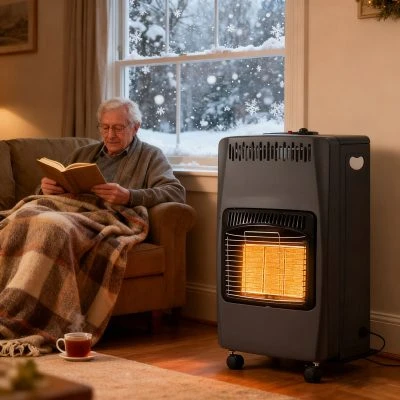

When winter settles in across the UK, the cold has a way of creeping into every corner of the home. The sky darkens early, the air turns sharp, and even the thickest jumper sometimes isn’t enough to keep the chill out. For many households, this is when the gas heater becomes a familiar companion—quick to warm the room, reliable, and comforting.
But as energy prices continue to rise, relying on gas heating without a strategy can quickly lead to unpleasant surprises when the bill arrives. The good news? With the right habits and a few simple adjustments, you can keep your home warm without unnecessary energy waste.
Below is a refreshed, practical guide on how to get the most out of your gas heater while maintaining comfort throughout the cold months.
Why Gas Heaters Consume More Energy Than You Think
Gas heaters—whether part of a central heating system or a standalone appliance—are valued for their ability to heat spaces quickly and reach higher temperatures than most electric heaters. But their effectiveness can also work against them if they run longer or hotter than necessary.
Much of the energy loss in British homes comes not from the heater itself but from draughts, poorly insulated walls, and inefficient usage habits. Understanding this helps you manage your heating much more intelligently.
1. Set a Sensible Temperature
Turning your heater up to full blast might feel satisfying after a freezing walk home, but it’s one of the fastest ways to raise your energy bill. Setting your thermostat just a couple of degrees higher than necessary can significantly increase consumption.
Most households stay comfortable at 18–20°C. If that still feels slightly cool, adding a blanket or wearing thermal socks is far more economical than pushing the thermostat higher.
2. Take Advantage of Programmable or Smart Thermostats
A thermostat that adjusts itself automatically can save more energy than you might expect. Program it to lower the temperature when everyone is asleep or out of the house, then warm the space shortly before you return.
This maintains comfort while avoiding one of the biggest sources of energy waste—heating an empty home. Smart thermostats even allow remote control, which is especially useful during unpredictable British weather.
3. Heat Only the Rooms You Use
Keeping unused rooms warm is convenient, but it isn’t efficient. If your home has multiple levels or several spare spaces, it makes sense to limit heat to the rooms you spend time in.
This “zoned heating” approach ensures you stay warm where it matters—like the living room or bedroom—while reducing unnecessary gas usage in low-traffic areas. Households with portable gas heaters often benefit most from zoning, as heat can be placed exactly where it's needed.
4. Keep Warm Air Where It Belongs
A heated room can lose warmth quickly if the home isn’t properly sealed. A few simple habits go a long way:
- Close doors to reduce heat escaping into cooler areas.
- Use heavy or lined curtains to limit heat loss through windows.
- Open curtains during daylight to welcome free solar warmth, then draw them before evening to trap heat inside.
This traditional approach remains effective, especially in older UK homes with less insulation.
5. Hunt Down Heat-Stealing Draughts
Even small gaps can create noticeable cold spots and force your heater to work harder. Check for leaks around:
- Window frames
- Door edges
- Loft hatches
- Floorboards
- Chimneys
Simple tools like foam strips, silicone sealants, or fabric draught excluders can make a surprising difference. Some households reduce heating costs by up to £60 a year just by tackling draughts.
6. Give Your Gas Heater Regular Care
Efficient heating relies on proper maintenance. Over time, dust, soot, and wear can reduce heat output and increase fuel consumption.
A few maintenance steps to follow:
- Clean filters and vents often.
- Inspect ignition components.
- Schedule an annual service with a Gas Safe registered engineer.
Well-maintained heaters burn cleaner, distribute heat more evenly, and operate more efficiently.
7. Add Cosy Layers to Your Home
Sometimes warmth isn’t only about temperature—it’s about how the environment feels.
Small additions can help retain heat and enhance comfort:
- Soft rugs on cold floors
- Fleece throws on sofas
- Thermal curtains
- Padded cushions and textiles
Layering your space helps the room stay warmer without needing to increase the thermostat.
8. Ventilate Without Losing All the Warmth
Air quality is important, even in winter. However, leaving windows open for too long defeats the purpose of heating.
A balanced method is to ventilate briefly—just a few minutes at a time—preferably when the heater is off. This clears moisture and stale air while allowing very little heat to escape.
9. Improve Efficiency With Radiator Reflectors
If your heating system uses gas-powered radiators, installing reflective panels behind them helps direct heat back into the room instead of letting it seep into the walls.
They’re inexpensive, easy to install, and particularly beneficial for radiators positioned against external walls.
10. Use Supplemental Heating Wisely
Instead of running central heating all day, you may reduce energy use by combining gas heating with compact supplemental heaters—especially if you spend most of your day in a single room.
For example, if you work from home in a small office, heating that one space is more efficient than warming the entire house.
11. Time Your Heating Strategically
Long, continuous heating can be wasteful. A better approach is to schedule your heater to switch on shortly before you need it.
Turn it on:
- 30 minutes before waking up
- Before arriving home
- For shorter bursts throughout the day
You’ll still enjoy a warm environment without the heater running constantly.
12. Consider Upgrading an Outdated Heater
Older gas heaters often run less efficiently and lack modern safety and combustion improvements. Replacing a unit more than 10 years old may reduce fuel consumption by up to 20%.
Look for:
- High efficiency ratings
- Good temperature controls
- Automatic safety shutoff features
- Low-emission systems
Though the initial cost may be higher, the long-term energy savings can be substantial.
Final Thoughts
Staying warm in winter doesn’t need to mean tolerating high heating bills. With a combination of smart habits, proper maintenance, and simple home adjustments, your gas heater can work more effectively while using less energy.
Small changes—like sealing draughts, zoning your heating, or using reflective panels—add up to significant savings over time. Ultimately, energy efficiency isn’t about sacrificing comfort; it’s about creating a warm, cosy home that stays inviting throughout the coldest months, without letting costs spiral.





























Sign in to leave a comment.