Introduction: Why Everyone's Talking About the ATM Business
If you've ever thought about ways to make passive income, you've probably considered things like rental properties, vending machines, or e-commerce. But have you ever thought about owning your own ATM machine?
Yes, the same machines you see at gas stations, convenience stores, or bars can be your source of income. The ATM business is surprisingly accessible and profitable — once you understand how it works.
In this article, we’ll break down everything you need to know: how ATM machines make money, what a MERCHANT ACCOUNT is and why it matters, and how to connect to an ATM NETWORK. By the end, you’ll know whether this is the right side hustle or business opportunity for you.
What Is an ATM Business, Anyway?
Let’s start with the basics.
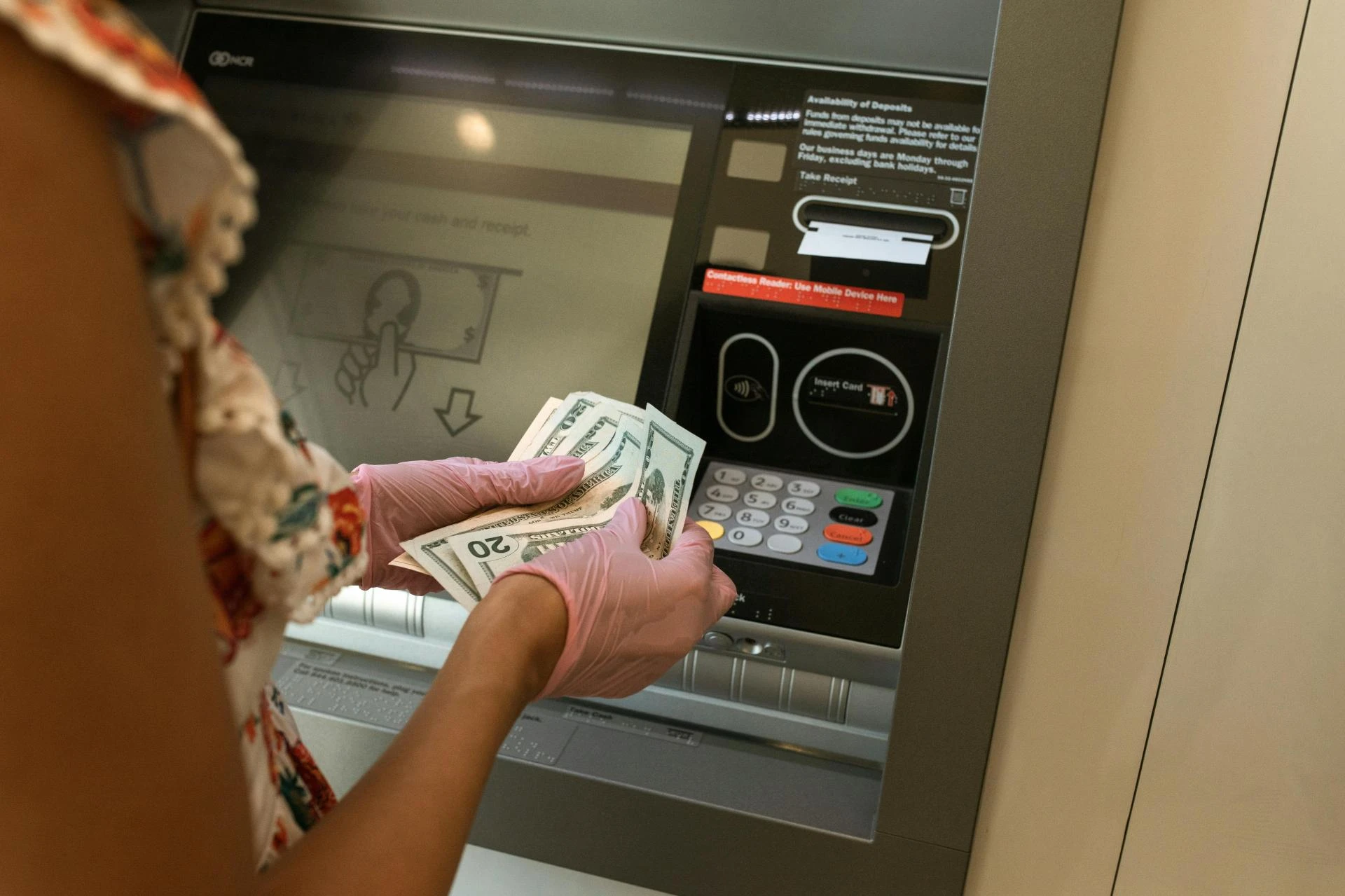
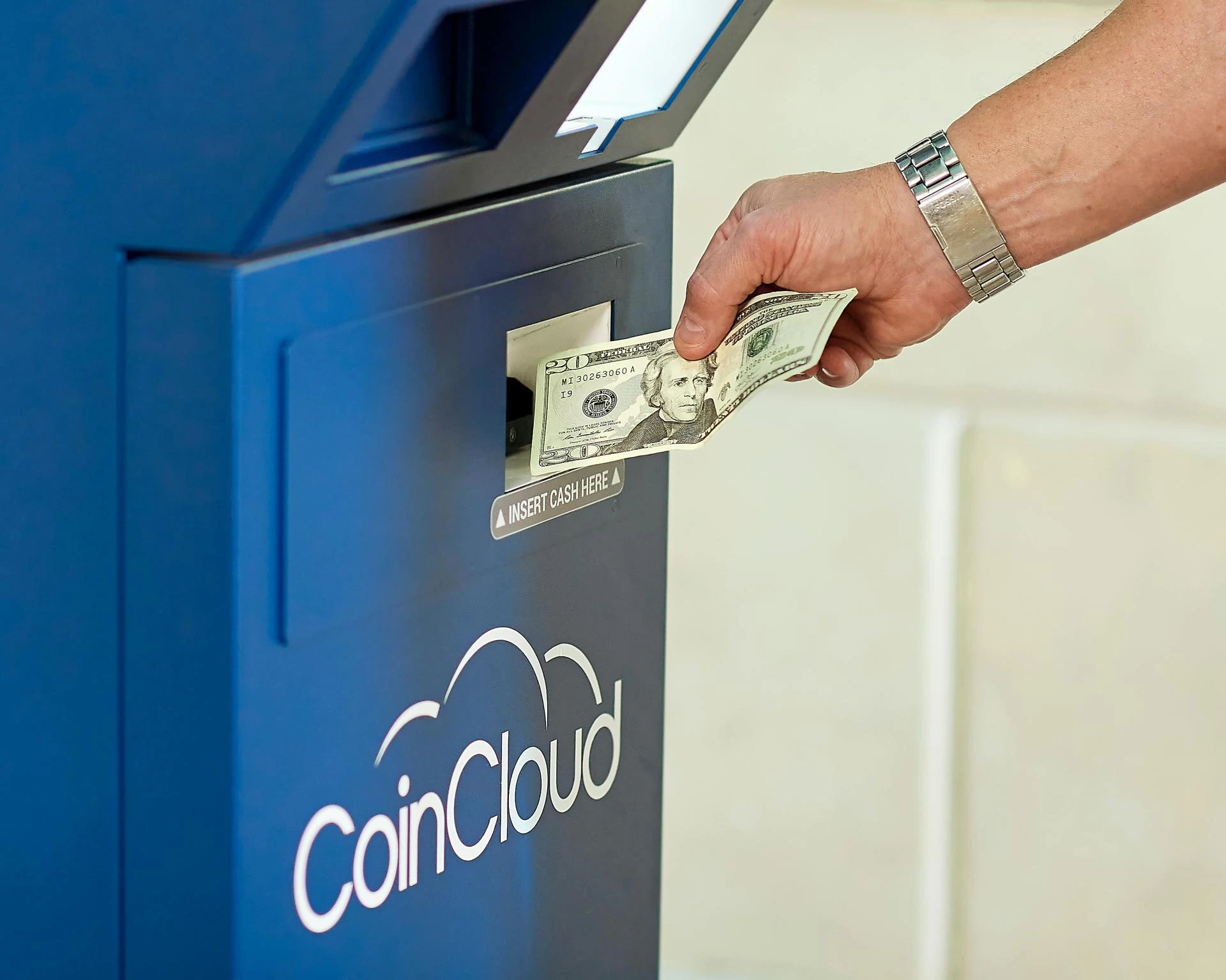
The ATM business involves owning and operating one or more ATM machines. As an owner, you place your machines in strategic locations (like busy stores or high-traffic areas) and earn money every time someone withdraws cash.
Here’s the cool part: You make money from surcharge fees — that small fee people pay to use your ATM if it's outside their bank's network. Even if it’s just $2.50 per transaction, that adds up quickly if you're in a busy spot.
Owning an ATM machine is like having a vending machine, except instead of selling chips or soda, you’re dispensing cash and collecting fees.
How Do ATM Machines Make Money?
It’s simple, really.
Every time a customer uses your machine, they pay a surcharge fee. That fee is split between you, the location owner (if you’re placing it in someone else’s business), and sometimes a processor.
Example:
- You charge a $3.00 fee.
- You keep $2.00.
- The location gets $1.00 as an incentive to host your machine.
Multiply that by 200 transactions per month, and you’re looking at $400/month from just one ATM machine.
Cha-ching!
Getting Started: What You Need
If you’re feeling ready to dive into the ATM business, here’s what you’ll need to get started:
1. ATM Machine
You’ll need to buy or lease an actual machine. New models range from $2,000 to $3,000. Used ones can be cheaper but make sure they’re compliant with the latest security standards.
2. Merchant Account
This is huge. A MERCHANT ACCOUNT lets your ATM connect to banking systems to authorize and process transactions. It’s the financial bridge between your machine and the customer’s bank.
Not all banks offer merchant accounts for ATM owners, so you’ll need to find one that works with independent operators. A good provider will also help with settlement, chargebacks, and compliance.
3. ATM NETWORK
To process transactions, your ATM needs to be part of an ATM NETWORK. Networks like Cirrus, Plus, or Interlink connect your machine to banks, so when someone inserts their card, the machine can talk to their financial institution.
Without a network connection, your ATM is basically a fancy box.
Finding the Perfect Location
Location is everything.
You want a spot with heavy foot traffic and a strong need for cash. Think:
- Bars and nightclubs
- Laundromats
- Gas stations
- Convenience stores
- Festivals and event venues
Pro tip: Approach small business owners and offer them a cut of the surcharge fee in exchange for hosting your machine. Many will jump at the chance to earn passive income with no upfront cost.
Replenishing Cash: How It Works
As the owner, you’re responsible for stocking the machine with cash.
This can seem intimidating, but it’s manageable. You’ll determine how much to load based on traffic — maybe $2,000 to $10,000 at a time. You can refill the machine yourself or hire a cash-loading service if you scale up.
The cash customers withdraw comes from your bank account, and it's returned to you (plus fees) within 1-2 business days through your merchant account settlement process.
Compliance & Security
ATM businesses are regulated — which is a good thing. You'll need:
- A registered business (LLC or sole proprietorship)
- A bank account specifically for your ATM business
- To follow Anti-Money Laundering (AML) and Know Your Customer (KYC) rules
Also, choose machines that are EMV chip-compliant, have encrypted PIN pads, and tamper-proof designs. Security is key — literally and financially.
Pros and Cons of the ATM Business
Like any business, there are upsides and challenges.
Pros:
- Low maintenance
- Passive income
- Scalable (1 machine or 100+)
- High ROI potential
- Cash-based, no credit risks
Cons:
- Requires upfront investment
- Needs secure locations
- Involves cash handling (some risk)
- Requires compliance with regulations
Still, many operators see positive cash flow in just a few months.
Tips for Scaling Your ATM Business
Once you’re up and running, how do you grow?
- Track data. Use ATM software to monitor transactions and optimize performance.
- Reinvest profits. Buy more machines as your income grows.
- Negotiate better locations. High-traffic areas = more transactions.
- Offer value-added services. Some machines allow bill payment, phone top-ups, or even crypto purchases.
Scaling is all about smart location choices and solid partnerships.
Common Mistakes to Avoid
- Choosing a bad location. No foot traffic = no profit.
- Not researching merchant account providers. Fees vary, so compare.
- Ignoring security. Unprotected machines are targets for skimming or theft.
- Overlooking compliance. You don’t want trouble with the IRS or FinCEN.
Do your homework. This business is simple — but not without risk if you don’t pay attention.
Final Thoughts: Is the ATM Business Right for You?
The ATM business isn’t just for banks anymore. With a relatively low startup cost and the potential for steady passive income, owning your own ATM machine is a solid option for entrepreneurs, small business owners, or even side hustlers.
Understanding how your MERCHANT ACCOUNT, ATM NETWORK, and machine hardware all connect is crucial to your success. Once those systems are in place, you’re basically running a 24/7 cash-dispensing business that pays you every time someone needs cash.
It’s a classic example of “earn while you sleep.”
So, if you're looking for a business that's low-maintenance, high-reward, and scalable — the ATM business might just be your next big move.
























Sign in to leave a comment.