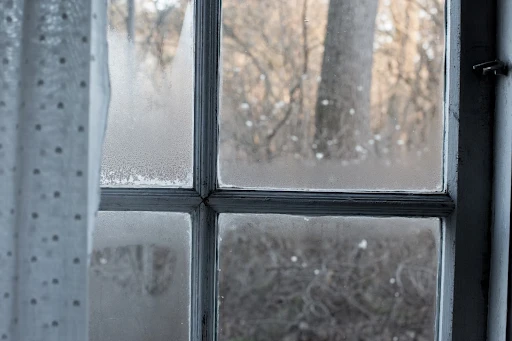

As temperatures drop and indoor heating rises, many homeowners face a familiar issue, window condensation. The sight of foggy glass or water pooling on window sills is not just unattractive; it can also indicate poor ventilation and moisture imbalance. Knowing how to stop window condensation during colder months without losing warmth is essential for maintaining a healthy, comfortable home.
Condensation occurs when warm, moist indoor air meets a cold window surface, creating droplets that often go unnoticed until mold, dampness, or damage appears. Fortunately, with a proactive approach and the right home ventilation methods, you can address the root causes while keeping your spaces cozy.
Understanding why condensation happens
To effectively manage window condensation, you first need to understand why it occurs. In winter, indoor air tends to carry more humidity due to cooking, showering, and heating. When this moisture rich air meets the cold glass of your windows, it condenses into water droplets. Over time, this buildup can lead to window frame damage, mold growth, and reduced air quality.
While double glasing and insulation help, these solutions alone won’t fix condensation problems if air circulation remains poor. The key lies in balancing indoor humidity levels with proper airflow and temperature control.
Why stopping window condensation matters
Reducing condensation is about more than maintaining clear glass. Excess moisture can deteriorate wooden sills, paint finishes, and nearby surfaces. Left unchecked, it may even create a breeding ground for allergens and bacteria.
More importantly, persistent condensation is a sign of trapped humidity—a challenge that compromises indoor comfort and can make heating less efficient. By dealing with the problem early, homeowners not only safeguard their property but also ensure better indoor air quality and energy savings throughout winter.
Smart ways to stop window condensation
1. Improve home ventilation
Proper airflow is the cornerstone of humidity control. Even during the colder months, homes require consistent ventilation to release trapped moisture. Installing a mechanical ventilation system, such as one from Ventis, can continuously circulate clean, dry air throughout your home.
Ventis systems use advanced air exchange technology that filters and balances humidity levels, reducing condensation without sacrificing warmth. By gently introducing fresh air and exhausting damp indoor air, these systems help maintain an even temperature while protecting your windows and walls.
2. Monitor indoor humidity levels
Optimal indoor humidity ranges between 30% and 50%. If it rises much above this, condensation becomes almost inevitable. Using a simple digital hygrometer allows you to track moisture levels in real time.
If humidity remains high even with ventilation, introduce dehumidifiers or ensure your central heating system maintains a steady temperature. Avoid abrupt temperature fluctuations, as they cause air moisture to condense more quickly on cooler surfaces like windows.
3. Use your heating system effectively
Keeping your home evenly warm is essential when trying to stop window condensation. Cold spots around unheated rooms encourage moisture buildup, especially if doors and windows stay closed for extended periods.
Maintain consistent heating throughout the home to prevent dramatic surface temperature contrasts. With smart thermostats, you can regulate warmth more efficiently, ensuring windows stay closer to room temperature—reducing the likelihood of condensation forming.
4. Manage everyday moisture sources
Everyday activities such as cooking, laundry, and bathing generate significant humidity. To prevent excessive indoor moisture:
- Run exhaust fans during and after showers.
- Keep lids on pans while cooking.
- Avoid drying clothes indoors when possible.
- Ensure bathroom and kitchen vents lead directly outdoors.
When used together with a controlled ventilation system, these habits can significantly lower moisture buildup and help you achieve long term condensation prevention.
5. Double glasing and insulation upgrades
While ventilation plays a major role, upgrading your windows is another effective measure. Double glased or thermally broken window frames act as a barrier between indoor and outdoor temperatures. This minimises surface cooling, which in turn limits condensation formation.
However, homeowners should view window upgrades as part of a larger moisture management plan rather than a standalone fix. Without good air exchange, even the best insulated windows may show moisture buildup when indoor air becomes too humid.
The role of modern ventilation systems
Ventis offers innovative home ventilation solutions designed to prevent condensation across all seasons. Their systems create a continuous cycle of fresh, filtered air, regulating humidity levels for optimal comfort.
Unlike standard exhaust fans that simply remove air from one area, Ventis systems distribute air evenly, helping maintain warmth across multiple rooms. This balance ensures you can stop window condensation effectively while enjoying a warm and inviting indoor environment.
Energy efficiency is another major advantage. Ventis systems are built to work with your existing heating setup, reducing the demand on energy while maintaining the ideal temperature. The result is cleaner air, less moisture, and lower utility costs—everything homeowners need for a healthier living space.
Key maintenance tips for winter
Before temperatures drop significantly, take time to perform basic maintenance that protects against moisture:
- Check window seals and frames for gaps or cracks.
- Clean ventilation filters to ensure proper airflow.
- Inspect roof spaces and attic vents to prevent damp buildup.
- Keep curtains slightly open to promote air movement near windows.
Following these steps will help maintain a balanced indoor climate and minimise condensation all winter long.
Home comfort without compromise
When learning how to stop window condensation, it’s crucial to focus on holistic moisture control rather than quick fixes. Combining ventilation, steady heating, and smart humidity management can preserve not just comfort but also the integrity of your home.
Ventis provides homeowners with tailored solutions that deliver year round comfort while protecting against condensation related issues. By investing in quality indoor air systems and adopting good household practices, you can enjoy a warm, healthy, and moisture free home even in the coldest months.
If you’re ready to achieve a condensation free environment without sacrificing warmth, reach out to the Ventis team today and discover the difference modern ventilation can make.



























Sign in to leave a comment.