

Knowing how to reduce house humidity begins with recognising when moisture levels inside your home are no longer healthy. Excess humidity creates an uncomfortable living environment and risks damage to your home’s structure and your health. This article explains key signs that indicate your home needs professional humidity control and the importance of effective household ventilation to keep moisture in balance.
Condensation on Windows and Surfaces
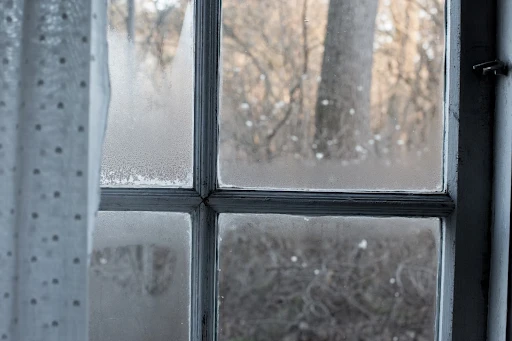
One of the earliest and most noticeable signs of excess indoor moisture is frequent condensation on windows, mirrors, or cold surfaces. This happens when moist indoor air meets cooler surfaces, causing water droplets to form. Persistent condensation, especially during colder days, often signals poor ventilation or excessive humidity levels that need to be addressed.
Musty Odours and Mold Growth
A musty smell inside your home is a common warning of too much moisture. This odour often comes from mold or mildew growing in damp areas like bathrooms, basements, or behind walls. Visible mold growth, patches of green, black, or white fuzz, indicates moisture problems that require prompt solutions to prevent health risks and property damage. Use effective methods for how to reduce house humidity to address these issues and protect your living environment.
Sticky, Stuffy Air and Discomfort
Excess humidity causes the air to feel sticky and heavy, making rooms uncomfortable. When moisture levels are high, sweat does not evaporate efficiently, increasing discomfort and making your home feel warmer than it is. This stagnant air also contributes to stuffiness and can reduce indoor air quality.
Damage to Wood and Paint
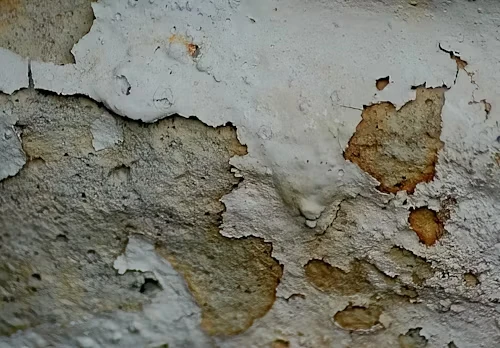
Wooden flooring, doors, and furniture absorb moisture and can warp, swell, or crack due to high humidity. You might notice doors that stick or floors that seem uneven. Paint and wallpaper may peel or bubble because trapped moisture damages walls. These physical changes show that indoor moisture levels are affecting your home’s structure.
Increased Allergy Symptoms and Respiratory Issues
High humidity fosters the growth of dust mites, mold spores, and other allergens. If household members experience frequent sneezing, coughing, congestion, or breathing difficulty, moisture imbalance could be a factor. Controlling indoor humidity is essential to reduce allergens and support healthier air.
Water Stains and Discoloration
Water stains on ceilings, walls, or floors are clear signs of moisture accumulation. These stains, often yellow or brown, develop when condensation forms inside walls or ceilings. Ignoring them can lead to hidden mold problems and structural deterioration.
Poor Household Ventilation
Poor airflow in kitchens, bathrooms, and laundry areas traps moisture released during cooking, showering, and washing. Insufficient exhaust fans or blocked vents allow humidity buildup. Improving household ventilation is a crucial step to reduce indoor moisture.
Persistent Condensation Around HVAC Systems
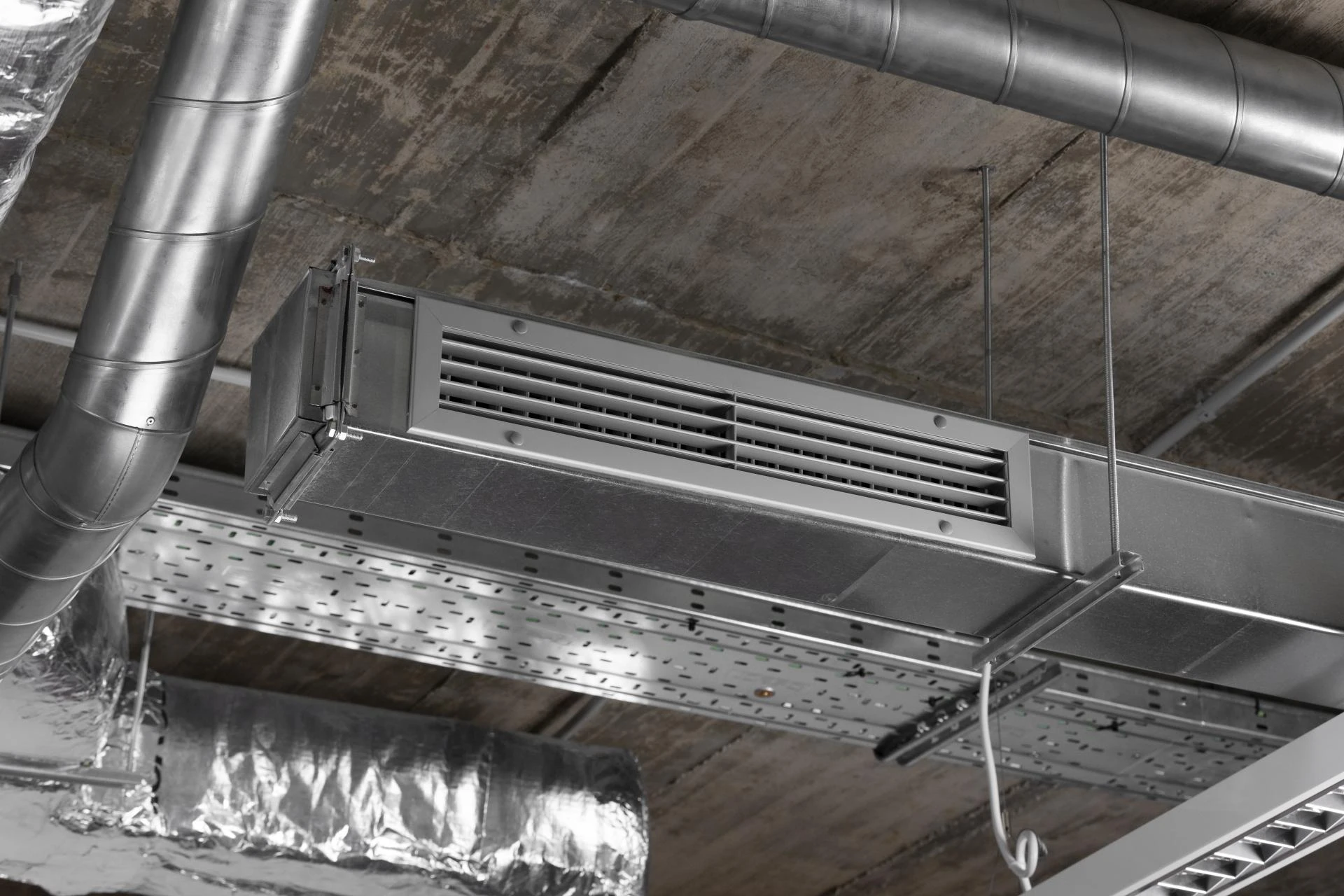
Heating and cooling systems can collect moisture if not properly maintained. Condensation on ducts or vents may spread mold spores, reducing air quality. Regular inspection and cleaning of HVAC systems help prevent humidity-related problems.
Practical Steps When You Notice These Signs
- Use exhaust fans and open windows during activities that generate moisture.
- Deploy portable dehumidifiers in damp areas.
- Check and fix leaks in plumbing or roofing.
- Maintain HVAC systems regularly to ensure proper moisture control.
If humidity problems persist despite these actions, professional humidity control is recommended to install advanced systems and improve household ventilation effectively.
Benefits of Professional Humidity Control
Expert humidity control solutions assess your home’s ventilation, insulation, and moisture sources to provide targeted fixes such as whole-home dehumidifiers, improved air exchange systems, and moisture barriers. These measures keep indoor humidity within ideal levels, protect your home and health, and improve comfort year-round.
Contact Ventis for Expert Humidity Solutions
If your home shows signs of high humidity, Ventis offers professional services to diagnose and resolve moisture issues. Their expert team helps you manage house humidity with tailored humidity control and household ventilation solutions that protect your home and promote healthy living.


























Sign in to leave a comment.