
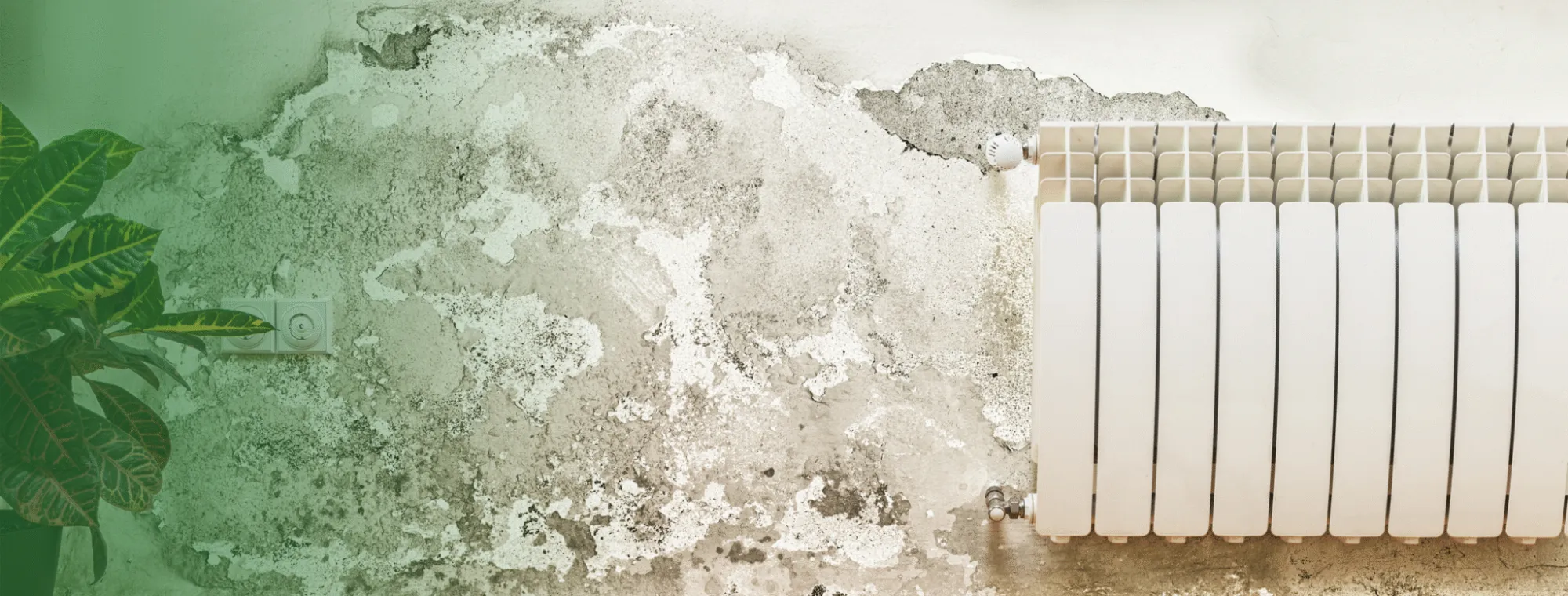
Mould is one of those household problems that often starts small but quickly becomes a serious concern if ignored. Beyond the unpleasant musty smell and visible stains, mould can damage your home and affect your health, particularly for those with allergies or respiratory issues. The good news is that you don’t need harsh chemicals to get rid of it. If you’ve been wondering how to reduce mould in the house, the solution lies in adopting the right approach and making a few eco conscious choices that help you tackle the issue effectively and sustainably.
Why Mould Forms Indoors
Before you can get rid of mould, it’s essential to understand why it grows in the first place. Mould thrives in damp, poorly ventilated spaces, such as bathrooms, kitchens, basements, and laundry rooms. Common causes include:
- High humidity levels: Moist air from showers, cooking, or drying clothes indoors.
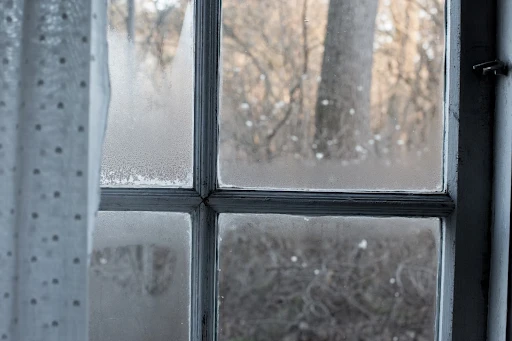
- Condensation: When warm indoor air meets cool surfaces like windows or walls.
- Water leaks: From roofs, plumbing, or foundation cracks.
- Rising damp: Moisture seeping through walls and floors from the ground up.
The presence of dampness provides the perfect breeding ground for mould spores. Therefore, the best way to reduce mould is to control moisture levels and ensure proper air circulation.
Improve Indoor Ventilation Naturally
The first step in learning how to reduce mould in house is to improve air movement. Stale, moist air allows mould spores to multiply quickly. Here are a few eco friendly ways to enhance ventilation:
- Open windows and doors regularly to allow cross ventilation.
- Use exhaust fans in high moisture areas like bathrooms and kitchens.
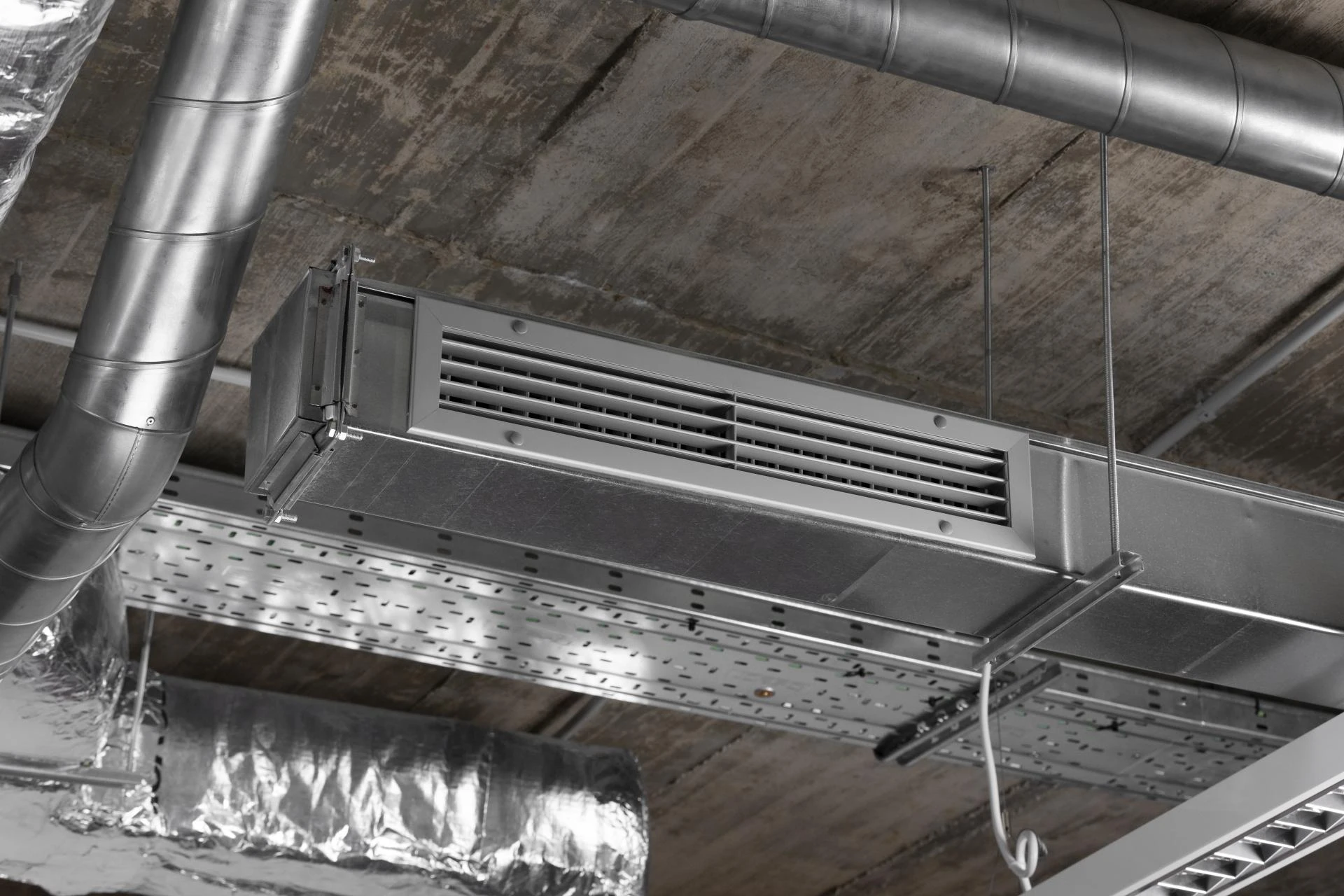
- Install a home ventilation system, brands like Ventis specialise in energy efficient ventilation that circulates fresh, filtered air throughout your home without increasing energy consumption.
- Add indoor plants such as peace lilies and Boston ferns that naturally absorb excess moisture.
A well ventilated home not only reduces mould growth but also improves indoor air quality, creating a healthier living environment.
Identify and Fix Rising Damp
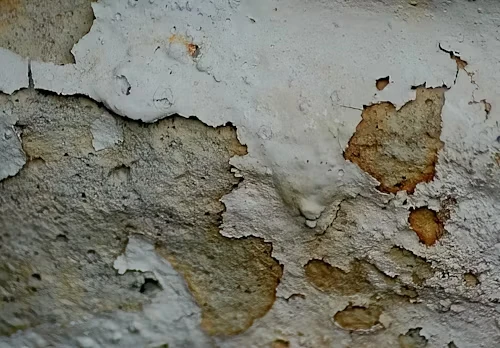
One of the hidden causes of persistent mould is fix rising damp. This occurs when groundwater travels up through porous building materials like brick or concrete. You might notice paint peeling off walls, a white powdery residue, or damp patches near the floor.
To fix rising damp sustainably:
- Inspect your home’s foundations for cracks or drainage issues.
- Improve external drainage so rainwater flows away from the house instead of pooling near the walls.
- Install a damp proof course (DPC) using modern, eco friendly materials that block moisture without toxic chemicals.
- Use breathable paints and plasters that allow trapped moisture to escape rather than sealing it inside.
If rising damp remains untreated, mould will continue to reappear no matter how often you clean. Partnering with professionals who specialise in sustainable moisture control, such as Ventis, ensures a long term, environmentally responsible solution.
Use Natural Cleaning Solutions
You don’t always need strong chemicals like bleach to remove mould. In fact, harsh products can release toxic fumes and damage surfaces over time. Instead, opt for these natural remedies that are safer for your health and the planet:
- White vinegar: Mix one part vinegar with one part water in a spray bottle. Apply directly to mouldy areas, leave for an hour, and wipe clean.
- Baking soda: Combine with water to form a paste, scrub affected spots, and rinse with warm water.
- Tea tree oil: Add two teaspoons to two cups of water for a natural anti fungal spray.
- Hydrogen peroxide: Use a 3% solution to kill mould on tiles, grout, and walls without leaving harmful residues.
These eco friendly options are not only effective but also inexpensive and readily available.
Control Indoor Humidity Levels
Humidity is one of the biggest triggers for mould growth. The ideal indoor humidity should be between 40% and 60%. Here’s how to maintain it naturally:
- Use a dehumidifier powered by renewable energy or energy efficient models.
- Ensure clothes are dried outdoors instead of indoors.
- Keep lids on pots when cooking to reduce steam.
- Seal gaps and leaks that allow damp air to enter from outside.
- Install a home ventilation system such as those offered by Ventis, designed to balance humidity while maintaining comfortable indoor temperatures.
By controlling humidity, you eliminate the main condition mould needs to survive.
Prevent Future Mould Growth
Once you’ve cleaned existing mould, preventing its return is key. Small lifestyle changes can make a significant difference:
- Regularly clean and dry bathroom surfaces.
- Check plumbing for slow leaks.
- Keep furniture slightly away from walls to allow airflow.
- Inspect ceilings and roofs for water intrusion after heavy rain.
- Use Ventis home ventilation systems to maintain consistent airflow and temperature throughout the year.
Prevention is always easier and more cost effective than remediation.
The Role of Eco Friendly Ventilation Systems
A sustainable home ventilation solution, like the systems designed by Ventis, plays a vital role in mould prevention. Unlike standard fans, these systems draw in filtered outdoor air, circulate it through your home, and expel moist air. This reduces condensation, balances humidity, and keeps air fresh, all while being energy efficient and environmentally friendly.
Homeowners who invest in such systems often notice not only reduced mould but also fewer dust mites, allergens, and stale odours.
Creating a Healthier, Mould Free Home
Learning how to reduce mould in house doesn’t mean resorting to harsh chemicals or temporary fixes. It’s about addressing the root causes, moisture, poor ventilation, and rising damp, in a sustainable, health conscious way.
By improving airflow, adopting natural cleaning techniques, and taking steps to fix rising damp, you can create a cleaner, safer environment for your family.
If you’re ready to make a long term difference, consider reaching out to Ventis. Their eco friendly home ventilation systems are designed to maintain a balanced indoor climate and prevent mould naturally. With the right combination of proactive care and sustainable technology, your home can stay fresh, dry, and mould free all year round.

























Sign in to leave a comment.