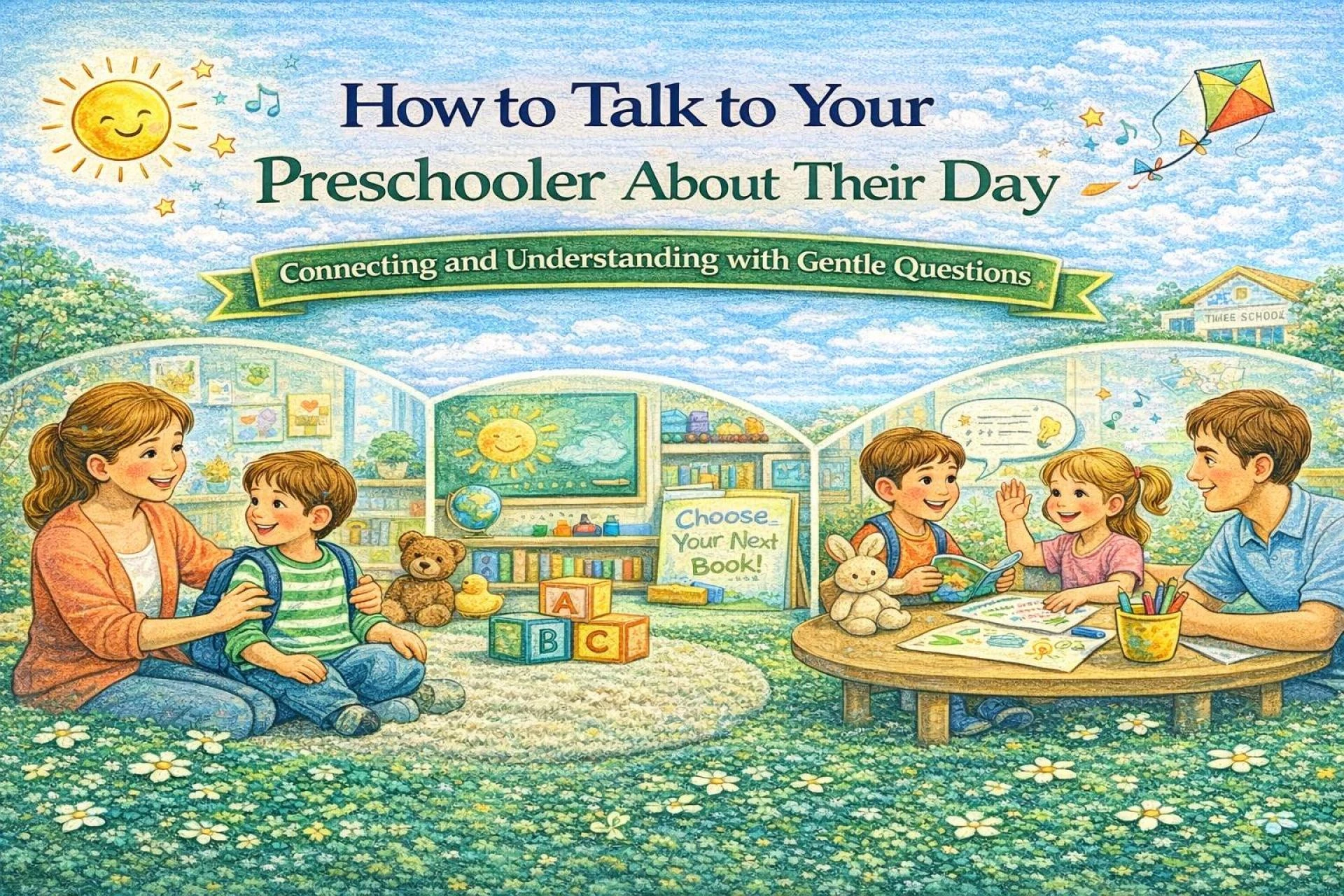

Asking their preschooler, "How was your day?" is one of the most anticipated parts of the day for many parents. only to receive a brief "Good," "Fine," or no response at all.Even though this can be annoying, it's quite common. Preschoolers are still learning how to talk, understand emotions, and remember things.If you use the right approach, you can turn simple questions into deep conversations that help your relationship and your child's ability to communicate. In case you’re looking for the best englewood middle schools or best preschool in englewood - choose Ability School.
Understand Why “How Was Your Day?” Doesn’t Always Work
Preschoolers only care about what's going on right now. After a long day of doing things, meeting new people, and learning, they might feel tired or overwhelmed.Their brains are still growing, so they might not be able to handle big questions like "What did you do today?" When young kids try to remember things, they often need specific cues.Instead of assuming they don't want to talk, think about the fact that they might just need help organizing their thoughts.
Ask Specific, Open-Ended Questions
Instead of yes-or-no questions, try asking detailed, open-ended ones that guide your child toward sharing. For example, ask:
- “What was the funniest thing that happened today?”
- “Who did you sit next to at snack time?”
- “What game did you play outside?”
- “Did anyone do something kind for you today?”
Your child will have an easier time remembering and talking about things if you ask them specific questions. They also encourage kids to tell stories, which helps them learn new words and feel more sure of themselves.
Create a Calm and Comfortable Space
Timing is important. Your child might still be thinking about their day when you ask them questions as soon as they get in the car.Some kids need some time alone before they can talk. Talk to your child when they are relaxed, like during snack time, bath time, or bedtime. Kids are more likely to talk when they feel safe and not rushed. Put away things that will keep you from doing your work, like your phone or TV. Making eye contact and showing that you care about their experiences shows that you care about them.
Listen More Than You Talk
It’s tempting to jump in with advice or corrections, especially if your child shares something concerning. However, the goal is connection first. Let your preschooler finish their thoughts, even if their story jumps around or lacks details. Use simple follow-up phrases like:
- “Tell me more.”
- “What happened next?”
- “How did that make you feel?”
Active listening teaches children that their feelings are important and helps them build emotional awareness.
Help Them Name Their Feelings
Preschool is filled with big emotions, excitement, frustration, pride, disappointment. When your child shares a story, help them label what they felt. For example, “It sounds like you felt proud when you finished your puzzle,” or “Were you sad when your friend didn’t want to play?”
Helping children identify emotions strengthens emotional intelligence and gives them tools to express themselves more clearly in the future.
Share About Your Day Too
It takes both parties to have a conversation. Your child learns how conversations work when you share about your own day in straightforward, developmentally appropriate ways. For example, "I was a little frustrated when I couldn't find my keys," or "I felt happy today because I finished a big project." Your preschooler learns how to think about and express their own feelings and experiences by listening to you talk about yours.
Make It a Daily Ritual
Comfort is built on consistency. Your child starts to anticipate and cherish that time when you talk about the day on a regular basis. It could be a special bedtime conversation or a five-minute chat over dinner. Making it positive and predictable is crucial. These brief daily exchanges foster trust over time.
Your child will be more inclined to express more complex ideas and worries as they get older because they will know that you genuinely listen to them.
Be Patient and Keep It Positive
On certain days, your child will talk endlessly. On other days, they won't say anything. That is typical. If they don't react the way you expected, don't put pressure on them or become angry. Maintain a positive and upbeat tone. Even brief discussions improve language proficiency and fortify your bond.
Key Takeaways
It's more important to talk to your child about their day than just merely getting information. You can improve your communication skills and your relationship by asking meaningful questions, really listening, and making it safe to share. Simple talks every day can make a huge difference and turn out to be one of the most important part of being a parent.



























Sign in to leave a comment.