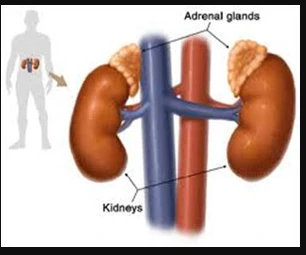

Adrenal function is crucial for maintaining overall health and well-being. The adrenal glands are responsible for producing hormones that regulate many important bodily functions, including blood sugar levels, blood pressure, and immune system responses. However, chronic stress, poor diet, and other factors can lead to adrenal dysfunction, which can cause a wide range of health problems. If you suspect that your adrenal function may be compromised, it's important to get tested. In this article, we'll discuss how to test adrenal function and what you can do to support your adrenals.
Symptoms of Adrenal Dysfunction
Adrenal dysfunction can manifest in a variety of ways. Some common symptoms include:
Fatigue
Insomnia
Brain fog
Anxiety or depression
Weight gain
Low libido
Irritability
Muscle weakness
Digestive problems
Chronic infections or illnesses
If you're experiencing any of these symptoms, it's worth considering whether adrenal dysfunction could be the underlying cause.
Types of Adrenal Function Testing
There are several types of tests that can be used to assess adrenal function. These include:
Cortisol Testing: Cortisol is a hormone produced by the adrenal glands that plays a key role in regulating stress responses. Cortisol levels can be measured via blood, saliva, or urine tests. A cortisol test can help identify whether cortisol levels are too high, too low, or irregular.
Adrenaline and Noradrenaline Testing: Adrenaline and noradrenaline are two hormones produced by the adrenal glands that are involved in the "fight or flight" response. Testing for these hormones can help identify whether the adrenal glands are functioning properly.
DHEA Testing: DHEA (dehydroepiandrosterone) is a hormone produced by the adrenal glands that helps regulate other hormones in the body. DHEA testing can help identify whether DHEA levels are too high or too low.
ACTH Stimulation Test: The ACTH stimulation test is used to diagnose adrenal insufficiency, a condition in which the adrenal glands don't produce enough hormones. During this test, synthetic ACTH is injected into the bloodstream, and cortisol levels are measured at various intervals to determine how well the adrenal glands respond.
Salivary Hormone Testing: Salivary hormone testing is a non-invasive way to assess hormone levels, including cortisol and DHEA. This test involves collecting saliva samples at different times throughout the day and analyzing them for hormone levels.
Preparing for Adrenal Function Testing
To ensure accurate results, it's important to prepare properly for adrenal function testing. This may involve:
Avoiding caffeine and other stimulants for 24 hours before testing
Avoiding strenuous exercise for 24 hours before testing
Fasting for at least 10-12 hours before testing (if instructed to do so)
Taking any prescribed medications as directed
Following any other instructions provided by your healthcare provider
It's also important to inform your healthcare provider of any supplements or herbal remedies you're taking, as these can affect test results.
Supporting Adrenal Function
If adrenal dysfunction is diagnosed, there are several steps you can take to support your adrenal function and promote overall health. These may include:
Reducing Stress: Chronic stress is a major contributor to adrenal dysfunction. Practicing stress-reducing techniques such as meditation, yoga, or deep breathing can help lower cortisol levels and support healthy adrenal function.
Eating a Healthy Diet: A diet rich in whole, nutrient-dense foods can provide the vitamins and minerals needed to support adrenal function. Focus on eating plenty of fruits and vegetables, lean protein, healthy fats, and complex carbohydrates.




























Sign in to leave a comment.