
One small mistake on a repair order can quietly turn into a major issue for your entire workshop.
If you manage a garage, you already know how easily manual errors can slip into daily operations. A technician writes something unclearly. A service advisor forgets to update a note. A part number gets entered incorrectly. At first, it feels like a minor oversight. Later, it turns into a delay, a billing dispute, or an unhappy customer.
I have seen workshops struggle not because they lack technical skills, but because their repair order system creates unnecessary confusion. The good news is that you can absolutely track repair orders without manual errors if you build the right system and mindset.
Let’s walk through how you can do that in a practical, realistic way.
Understand Why Manual Errors Happen
Before improving anything, you need to understand where things are going wrong. Manual errors rarely happen because someone is careless. They usually happen because the system allows room for mistakes.
In many workshops, repair orders are handwritten. Notes are passed verbally from the front desk to technicians. Job cards are stacked on a desk and occasionally misplaced. When information flows through multiple hands without a structured process, inaccuracies become almost inevitable.
As W. Edwards Deming wisely said, “A bad system will beat a good person every time.” Even your most experienced technician can make errors if the process itself is unclear or inconsistent.
The first step toward accurate repair order tracking is recognizing that the problem often lies in the system, not the people.
Create a Standardized Intake Process
One of the most effective ways to reduce manual mistakes is by standardizing how repair orders are created.
When a customer arrives, you should follow the same intake procedure every single time. This includes documenting customer details, vehicle information, reported issues, and authorization for diagnostics or repairs. If you rely on memory or casual note-taking, important details will eventually be missed.
Consistency is powerful. When your team knows exactly what information must be captured for every repair order, you eliminate guesswork. Over time, this habit reduces errors significantly.
It is also important to avoid relying only on verbal explanations. If a customer describes a strange engine noise, make sure it is written clearly in the repair order. Written documentation ensures that the technician sees the exact concern without misinterpretation.
Move From Paper to Digital Systems
If you are still managing repair orders on paper, you are working much harder than necessary. Paper-based systems increase the risk of lost documents, illegible handwriting, and outdated status updates.
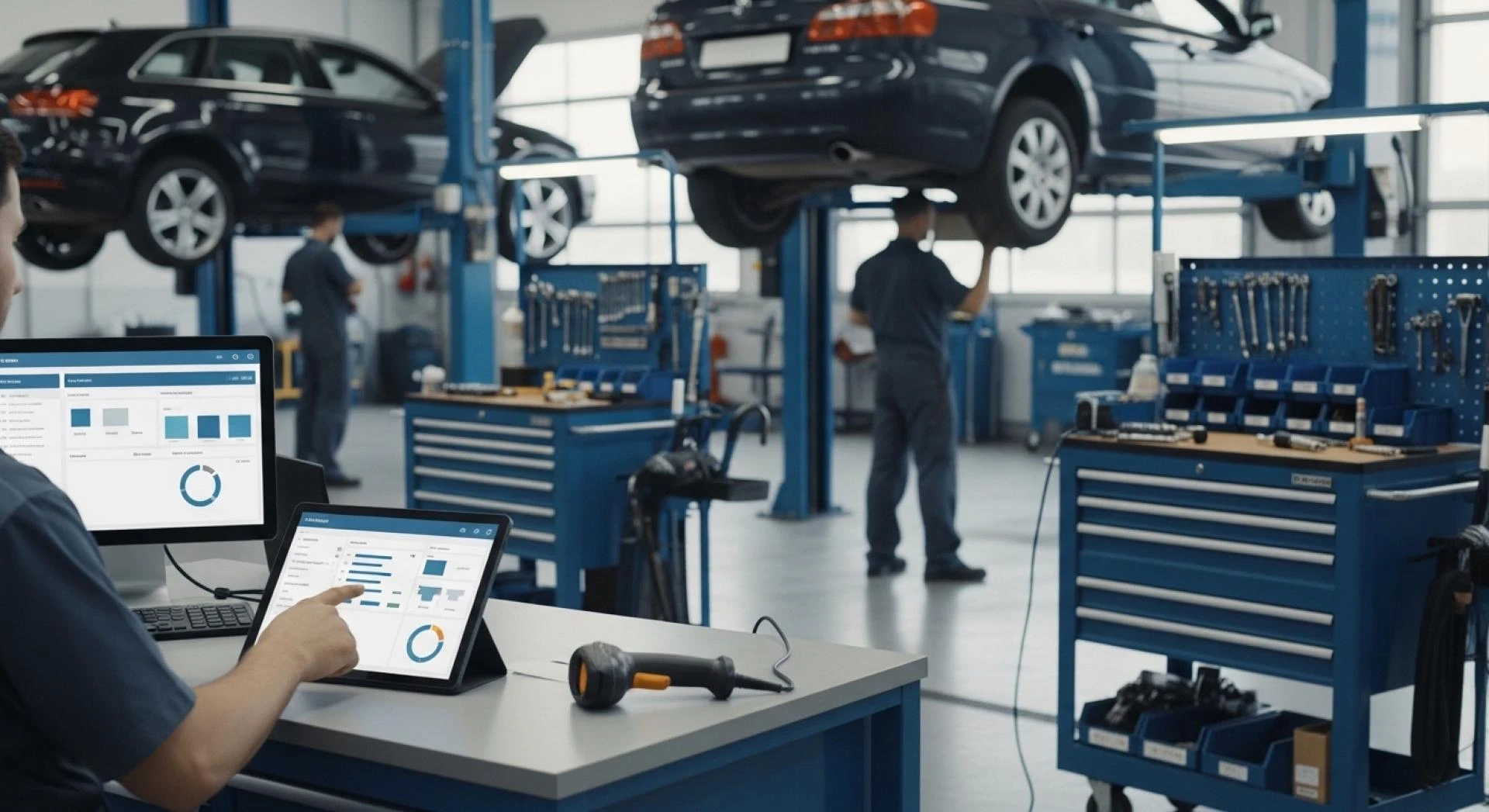
Switching to a digital solution changes everything. A reliable repair order tracking platform centralizes all job information in one place. You can create orders, assign tasks, update progress, and generate invoices without rewriting or duplicating information.
When everything is stored digitally, your team always sees the latest version of the repair order. There is no confusion about whether something has been updated or approved. This real time visibility reduces misunderstandings and keeps everyone aligned.
Digital systems also create accountability. Each update is recorded, so you can see who made changes and when. That transparency naturally encourages accuracy.
Improve Communication Across Your Workshop
Repair order errors often stem from poor communication rather than technical mistakes.
For example, a service advisor may update a job, but the technician might not see the change immediately. A part might arrive, but no one informs the assigned mechanic. These small communication gaps slow down repairs and create inconsistencies in documentation.
To prevent this, make communication structured and predictable. Short daily meetings can help your team review active repair orders, confirm priorities, and discuss any complications. Even ten minutes of alignment can prevent hours of confusion later in the day.
Digital dashboards also improve transparency. When everyone can see job status updates in real time, there is less reliance on verbal updates and fewer opportunities for errors.
Automate Parts and Inventory Integration
Parts management is one of the biggest sources of repair order inaccuracies. If parts are written manually on job cards and entered separately into inventory systems, discrepancies are likely.
When you use an integrated digital system, parts can be linked directly to specific repair orders. As soon as a technician selects a part, inventory is updated automatically, and the cost is reflected in the job record.
This eliminates duplicate data entry and reduces billing mistakes. It also ensures that you never forget to charge for parts used during a repair.
Automation does not replace your team’s expertise. It simply removes repetitive manual steps that often lead to avoidable errors.
Track Job Status Clearly and Consistently
A repair order should never feel ambiguous. At any moment, you should be able to see exactly where a job stands.
Clear status tracking helps prevent vehicles from being forgotten or delayed unnecessarily. When each repair order moves through defined stages such as diagnosis, in progress, awaiting parts, or ready for pickup, you gain complete control over the workflow.
Without structured status tracking, jobs can sit idle simply because no one realizes they are waiting for action. Clear visibility keeps momentum moving.
When customers call for updates, you can provide accurate information instantly. That professionalism strengthens trust and improves your shop’s reputation.
Build a Final Quality Check Step
Even with digital tools and standardized processes, human oversight still matters.
Before closing any repair order, include a quick quality control review. Verify that all tasks were completed, parts were logged correctly, labor hours are accurate, and customer notes are up to date.
This final review acts as your safety net. It catches small discrepancies before they become customer complaints.
Accuracy is not about perfection. It is about building safeguards into your workflow.
Train Your Team Consistently
Technology alone will not eliminate manual errors. Your team needs proper training and ongoing support.
Make sure every employee understands how to use your repair order tracking system confidently. Show them how to update job notes, log parts properly, and mark status changes correctly.
Encourage questions and feedback. When your team feels comfortable with the system, they are less likely to make mistakes.
Continuous improvement should be part of your workshop culture. Small refinements over time can lead to significant improvements in accuracy and efficiency.
Use Data to Continuously Improve
One of the biggest advantages of digital repair order tracking is access to performance data.
You can analyze patterns such as frequent corrections, delayed job updates, or recurring billing adjustments. These insights allow you to refine your processes and address weak points proactively.
Tracking performance metrics gives you control. Instead of reacting to problems after they happen, you can prevent them from occurring in the first place.
The goal is not just fewer mistakes today. It is a system that supports consistent accuracy for years to come.
Final Thoughts
Tracking repair orders without manual errors is absolutely possible when you focus on system design, communication, and smart technology.
If you standardize your intake process, replace paper with digital tools, integrate inventory, improve team communication, and build in quality checks, you dramatically reduce the chance of costly mistakes.
I truly believe that the difference between an average workshop and a high-performing one lies in clarity and structure. When your repair orders are organized, accurate, and transparent, your entire operation becomes more efficient.






























Sign in to leave a comment.