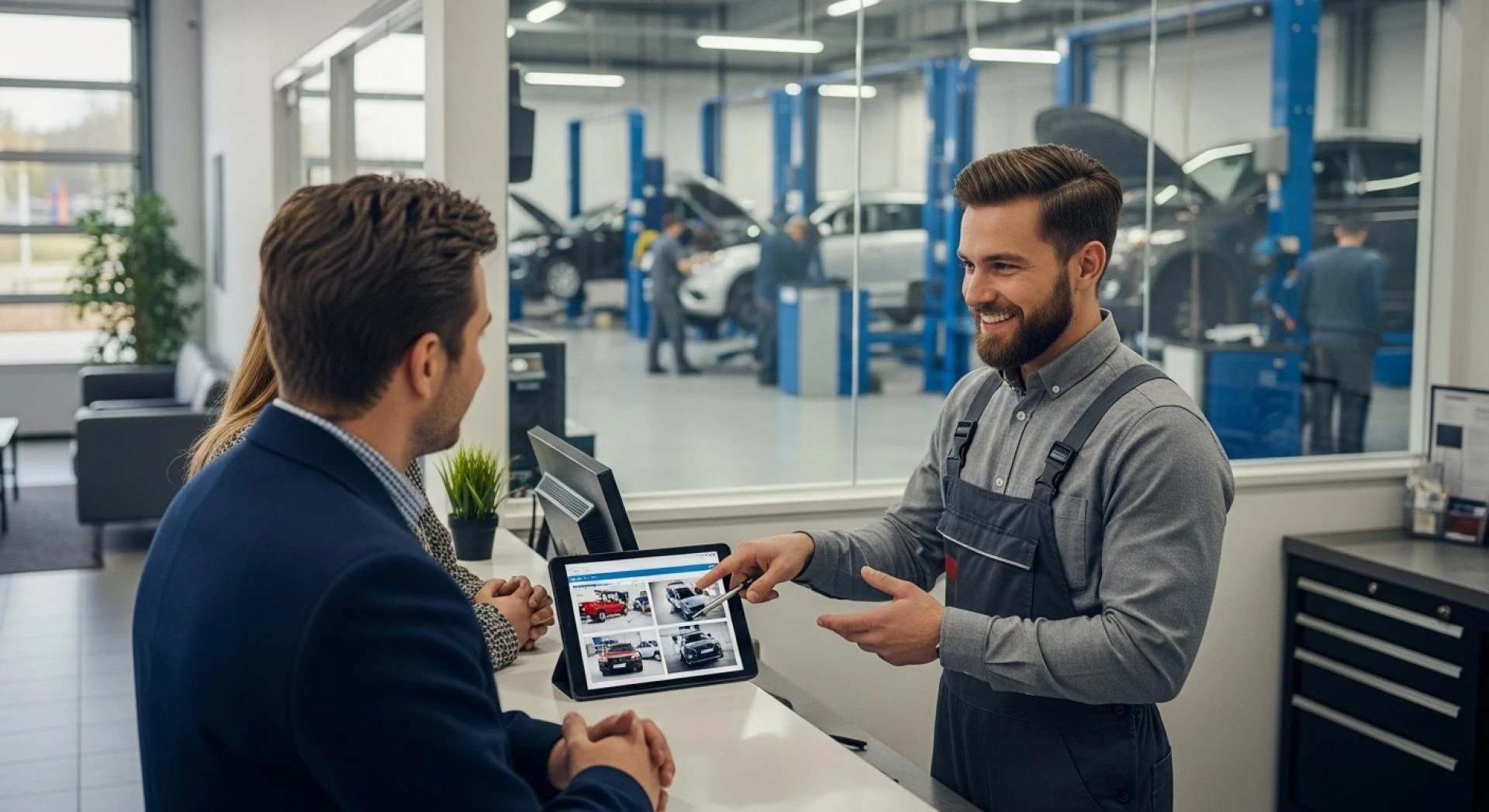

The moment a customer leaves your shop unsure about what just happened is the moment satisfaction quietly slips away.
If you own or manage an auto repair shop, you already know that customer satisfaction is not just about fixing cars correctly. It is about how people feel before, during, and after the repair. I have seen shops with excellent technical skills struggle with reviews and repeat visits simply because the experience felt confusing or rushed. The truth is, customers judge your business on clarity, communication, and trust just as much as on the final repair.
In this article, I want to walk you through practical and realistic ways to improve customer satisfaction in auto repair shops without turning your operation upside down.
Customer satisfaction starts before the repair begins
Long before a wrench is picked up, customers start forming opinions.
First impressions matter more than many shop owners realize. The tone of the phone call, the greeting at the counter, and the way the repair process is explained all set expectations. When customers feel welcomed and informed, anxiety drops immediately.
As Maya Angelou once said, “People will never forget how you made them feel.” In auto repair, that feeling often determines whether they return.
Early moments that shape trust
Small details at the beginning make a big difference:
- A calm and friendly greeting
- Clear explanation of what will happen next
- Honest discussion about timelines and approvals
- Simple language instead of technical jargon
When these basics are handled well, customers start the repair process with confidence.
Consistent communication keeps customers confident
Silence is one of the fastest ways to damage trust.
Customers are usually more patient than we expect, but only when they are kept informed. Regular updates show respect and professionalism, even if the repair takes longer than planned.
Updates matter more than speed
Customers do not always need fast repairs. They need accurate information. A quick update explaining progress or delays reduces anxiety and prevents frustration.
Accuracy always beats optimism. Honest timelines build far more trust than rushed promises.
Organized processes reduce frustration for everyone
Many customer complaints are not about price or quality. They are about confusion.
Disorganized job flow leads to missed calls, unclear invoices, and mixed messages. Customers may not see your internal systems, but they feel the results.
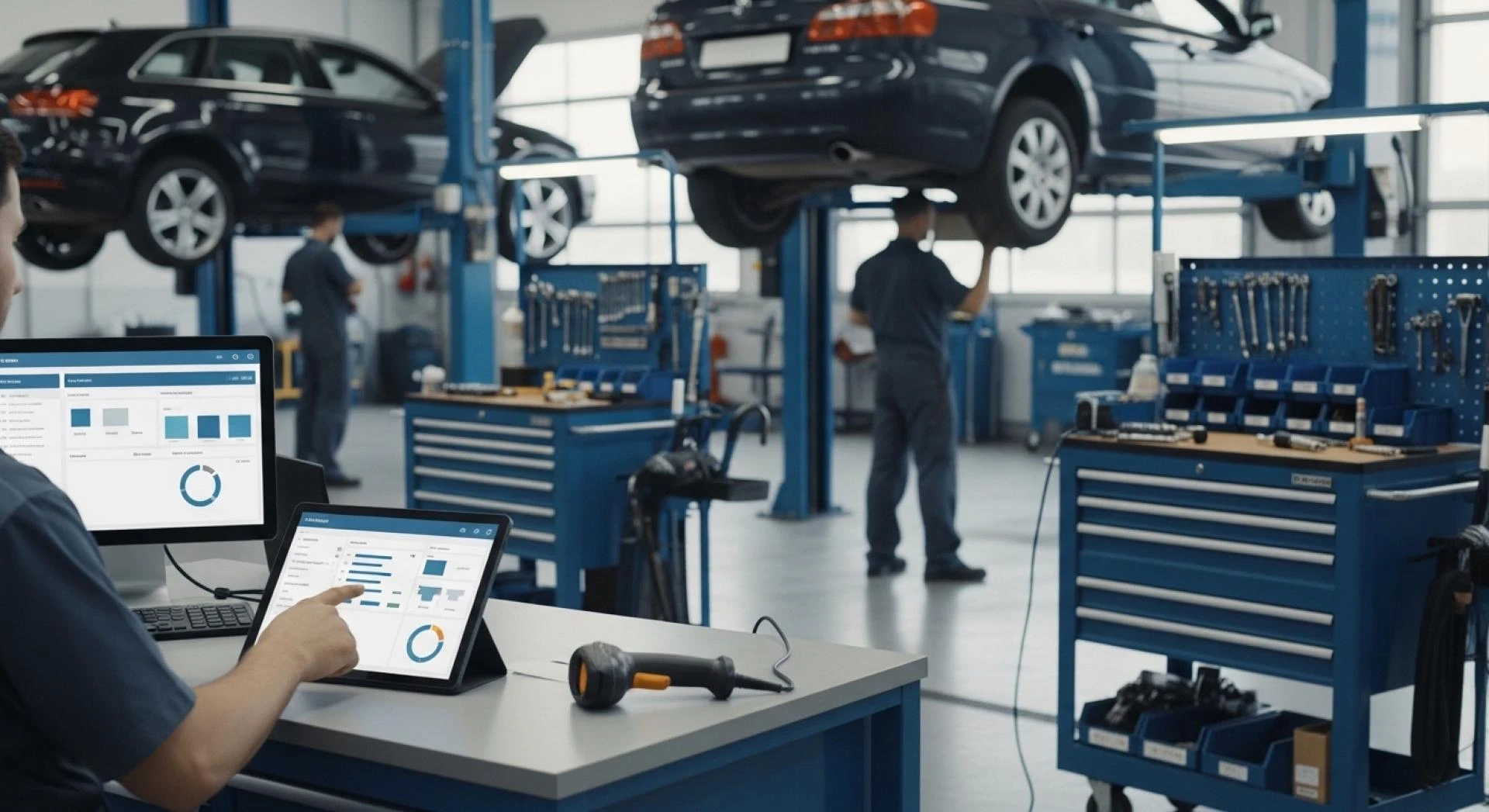
This is often where shops improve internal clarity using tools like AI Garage Management software, which helps keep job details, updates, and communication aligned without relying on memory or paper notes. That internal organization directly improves the customer experience.
Transparency turns hesitation into trust
Customers want to understand what they are paying for and why.
When repairs are explained clearly and supported with evidence, approvals come faster and disputes drop.
Transparency also protects your team by keeping expectations aligned from start to finish.
Staff behavior shapes the entire experience
Your team represents your brand in every interaction.
Behaviors customers remember most
Customers consistently respond better when staff show:
- Patience when answering questions
- Empathy during stressful situations
- Clear explanations without defensiveness
- Consistent service regardless of who helps them
These behaviors turn routine repairs into positive experiences that customers talk about later.
Technology supports satisfaction when used correctly
Technology should never replace relationships. It should support them.
When staff can quickly access job status and history, customer questions are answered confidently. Fewer errors occur. Follow ups happen on time. All of this improves how customers perceive your shop.
Follow up turns good service into loyalty
Many shops miss this opportunity.
A simple follow up message asking how the vehicle is performing shows care beyond payment. Customers remember that extra step, and it often leads to repeat visits and referrals.
Measuring satisfaction helps you improve it
Pay attention to reviews, repeat visits, and referrals. These signals reveal what customers value most.
Share feedback with your team and treat satisfaction as a shared responsibility. When everyone cares about the customer experience, improvement becomes natural.
Final thoughts
Improving customer satisfaction is not about perfection. It is about consistency, clarity, and care.
When you communicate clearly, stay organized, act transparently, and treat customers with empathy, they notice. They trust you. They return. They recommend you.
From what I have seen, auto repair shops that prioritize customer satisfaction do more than increase revenue. They build reputations that last. And in this industry, trust is the most valuable asset you can have.





























Sign in to leave a comment.