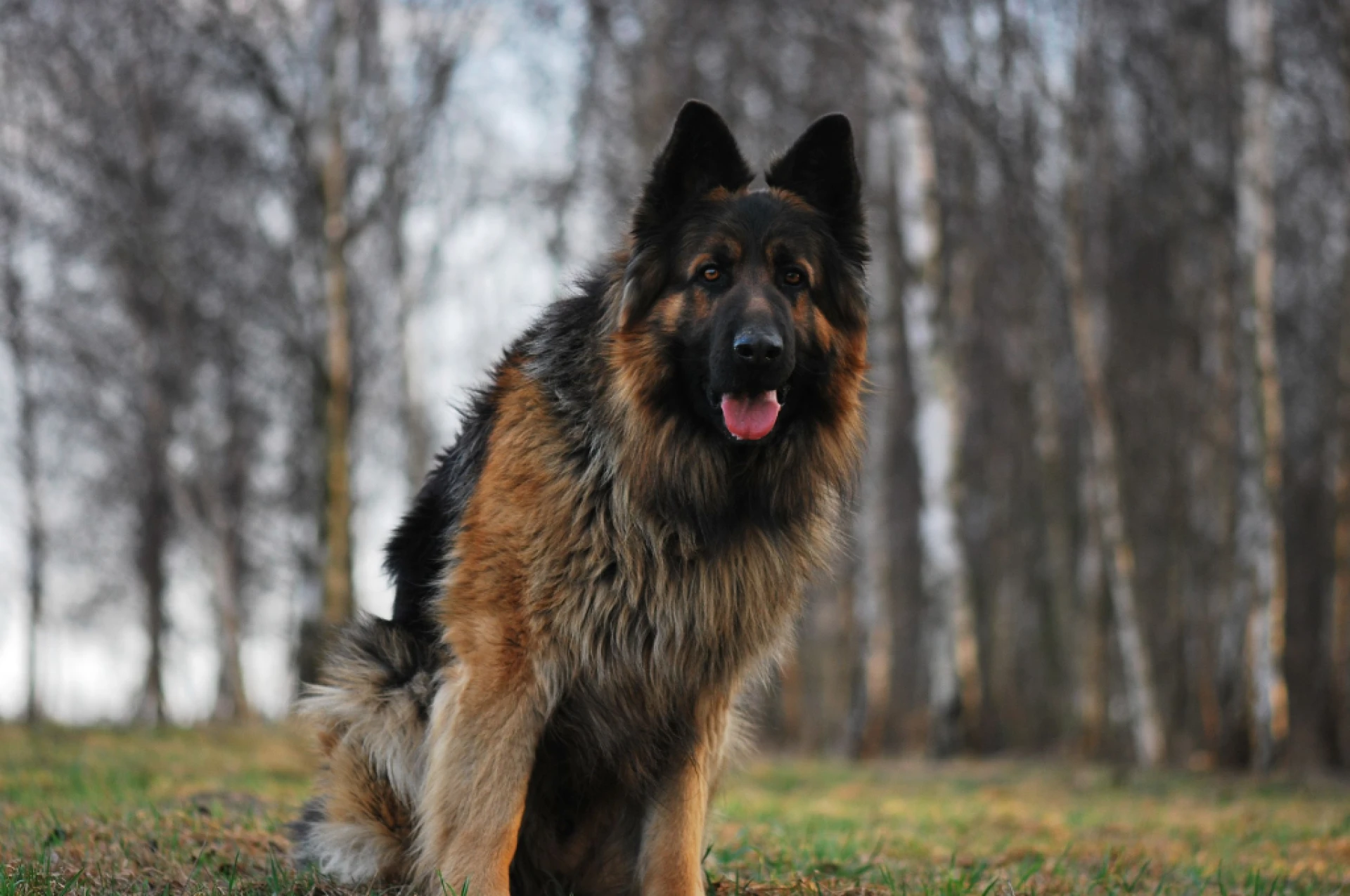

German Shepherds are one of the smartest and most loyal dog breeds. Their intelligence and energy make them excellent family pets, service dogs, and working dogs. But without proper guidance, even the most well-meaning owner can face challenges with behavior, obedience, and socialization.
If you want a confident, well-behaved, and happy German Shepherd, learning how to train a German Shepherd correctly is essential.
Why Training a German Shepherd Is Important
German Shepherds are intelligent and highly active. They learn quickly, but without proper training, their energy can turn into destructive behaviors like excessive barking, chewing, or aggression. Early training establishes boundaries, reinforces good habits, and builds a strong bond between you and your dog.
Training also keeps your dog safe. A well-trained German Shepherd listens to commands, behaves in public, and adapts well to new situations. This is especially important for families with children or other pets.
Start With Basic Obedience
When learning how to train a German Shepherd, start with basic obedience. Begin with simple commands such as:
- Sit
- Stay
- Come
- Down
- Leave it
Use positive reinforcement like treats, praise, or playtime to reward good behavior. Keep training sessions short—10 to 15 minutes daily is ideal. German Shepherds thrive on consistency and repetition.
Socialization Is Key
Socialization is another crucial part of learning how to train a German Shepherd. Introduce your dog to new people, environments, and other animals from a young age. Visits to parks, friends’ homes, and controlled playdates help reduce anxiety and prevent aggression.
Socialization isn’t just about meeting dogs. It also includes exposure to different sounds, sights, and daily routines. A well-socialized dog reacts calmly rather than fearfully to new experiences.
Mental Stimulation for Smart Dogs
German Shepherds are working dogs by nature. They need mental as well as physical exercise. Puzzle toys, scent games, and obedience challenges are excellent ways to stimulate their minds.
Training is not only about commands—it’s about keeping their brain active. Teaching tricks, agility exercises, or advanced obedience prevents boredom and unwanted behaviors.
Consistency and Patience
Consistency is the backbone of successful training. Always use the same commands, gestures, and rewards. Mixed signals confuse your dog and slow progress.
Patience is equally important. Every German Shepherd learns at its own pace. Avoid punishment-based methods—they can cause fear and mistrust. Focus on positive reinforcement, repetition, and encouragement instead.
Advanced Training Opportunities
Once your dog masters basic obedience, you can explore advanced training such as agility, protection work, or service dog tasks. German Shepherds excel in these areas due to their intelligence, drive, and strong work ethic.
Advanced training also strengthens your bond. Working together on challenging tasks fosters trust and mutual respect. It turns training into a fun and rewarding experience for both dog and owner.
Common Training Mistakes to Avoid
Many owners struggle because of overfeeding treats, inconsistent commands, or neglecting mental stimulation. Avoid these mistakes by:
- Using a balanced reward system
- Following a consistent training schedule
- Providing both physical and mental exercise
- Remaining patient and positive
Learn From Experts at Focus Pet Care
If you’re new to how to train a German Shepherd, expert guidance can make a huge difference. There are proven methods tailored specifically for this breed that ensure fast, effective, and safe results.
For a complete, step-by-step guide, check out Focus Pet Care’s full article on how to train a German Shepherd. It covers everything from basic commands and socialization to advanced training techniques and expert advice.
Final Thoughts
Training a German Shepherd is a rewarding journey that requires time, patience, and dedication. With consistent effort, positive reinforcement, and expert guidance from Focus Pet Care, you can raise a loyal, obedient, and happy companion.
A well-trained German Shepherd is confident, responsive, and a joy to be around. Investing in proper training improves behavior, strengthens the bond, and ensures your dog thrives in every environment.
For the complete guide, visit how to train a German Shepherd on Focus Pet Care.






























Sign in to leave a comment.