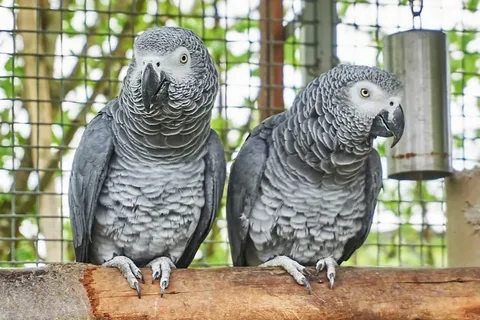

Welcoming an African Grey into your home is an exciting experience, but it comes with significant responsibility. These parrots are known for their intelligence, sensitivity, and long lifespan, which means they require thoughtful attention and daily interaction. For bird owners who want their companions to thrive, understanding the essentials of African Grey Parrot Care — including diet, habitat, training, and enrichment — is key to ensuring a healthy, happy, and well-adjusted bird. With the right care routine, these parrots can form deep bonds and bring joy for decades.
Why African Greys Are Unique Pets
African Grey Parrots are often celebrated as one of the most intelligent bird species in the world. They have exceptional problem-solving abilities, strong communication skills, and emotional depth. Their intelligence makes them quick learners, but it also means they need consistent enrichment and interaction to prevent boredom.
In the wild, they live in large, social flocks, constantly communicating and interacting with their environment. Because of this social nature, they are highly sensitive to their surroundings and can easily become stressed or anxious if neglected. These characteristics make them incredibly rewarding but also demanding pets.
Proper Housing and Living Environment
Spacious Cage and Comfortable Setup
A comfortable environment begins with a spacious cage. African Greys need enough room to stretch their wings fully and move around without restriction. A large vertical cage with multiple perches, ladders, and climbing opportunities helps mimic their natural environment.
Variety is important. Provide perches made from different materials — such as wood, rope, and natural branches — to support foot health. Toys that encourage chewing, shredding, and exploring keep them entertained and mentally stimulated.
Place the cage in an area where your bird can observe household activities, but also have quiet time. Avoid kitchens, drafty windows, and overly noisy rooms.
Daily Out-of-Cage Time
These parrots need several hours of supervised free flight or play time each day. Allowing them to explore outside the cage supports their physical health and prevents pent-up energy. Dedicated play stands, climbing nets, and puzzle toys create a safe, enriching space.
Balanced Diet and Nutrition
Pellet-Based Diet
A healthy diet is essential for your African Grey’s long-term well-being. High-quality pellets should make up the majority of their diet, supplying essential vitamins and minerals to prevent deficiencies.
Fresh Fruits and Vegetables
Daily servings of leafy greens, carrots, broccoli, apples, berries, and other safe produce add variety and nutrition. These foods support digestion, immunity, and feather quality.
Limited Treats
Seeds and nuts should only be offered occasionally as training rewards. Overfeeding fatty foods can lead to obesity or liver issues.
Clean Water
Fresh water should always be available and changed daily.
Foods to Avoid
Some foods are toxic to parrots and must be avoided completely:
- Avocado
- Chocolate
- Caffeine
- Alcohol
- Onion and garlic
- Salty or sugary processed foods
Mental Health, Social Interaction, and Training
Daily Interaction
African Greys require frequent social interaction to stay emotionally healthy. Talking to them, letting them perch on your hand or shoulder, and involving them in daily activities helps strengthen your bond.
They enjoy conversation and may mimic words or sounds. These interactions keep them mentally stimulated and reduce feelings of loneliness.
Training Activities
Short training sessions help reinforce good behavior and provide mental exercise. Teaching simple commands like “step up,” “come,” or “stay” builds trust. Tricks such as waving or retrieving objects are excellent enrichment.
Positive reinforcement — using praise, gentle encouragement, and occasional treats — is the most effective approach.
Preventing Behavioral Issues
African Greys are prone to stress-related behaviors if they feel neglected or bored. Common issues include:
- Feather plucking
- Excessive screaming
- Aggression
- Nervousness or pacing
Consistent routines, plenty of toys, and daily interaction help prevent these problems.
Hygiene and Health Care
Bathing
Regular misting or offering shallow baths helps maintain feather condition and keeps the skin hydrated. Many African Greys enjoy occasional showers or gentle spraying.
Beak and Nail Care
Chew toys, mineral blocks, and natural wood branches help maintain a healthy beak. Nails may need trimming occasionally, either by a professional or with proper training and tools.
Veterinary Visits
Annual checkups with an avian veterinarian are essential. Parrots tend to hide signs of illness, so routine exams help detect issues early. Watch for changes in appetite, droppings, feather condition, or energy levels.
Final Thoughts
African Greys are extraordinary companions, but they require dedicated care, attention, and understanding. When given proper diet, enrichment, social interaction, and a safe environment, they flourish and develop strong, meaningful bonds with their owners. Their intelligence and personality make them unforgettable pets, but only when their needs are met with patience and consistency. To continue learning how to give your parrot the best life possible, trusted resources like Focus Pet Care offer valuable guidance for bird lovers of all experience levels.





















Sign in to leave a comment.