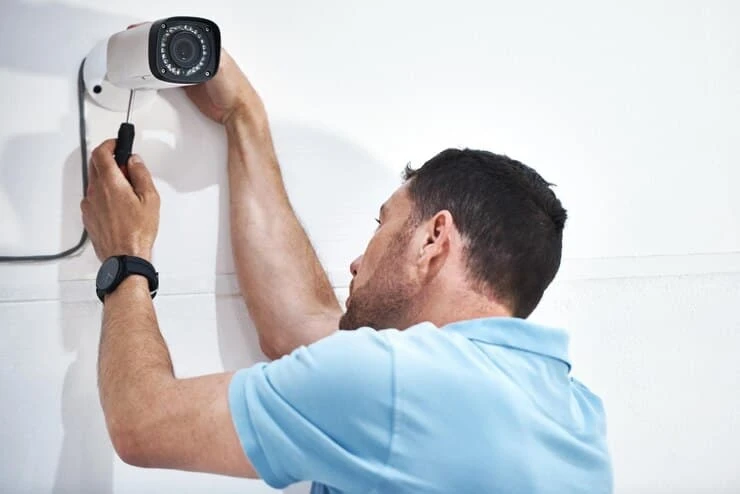

Becoming a Hikvision installer is a valuable career path for individuals interested in security systems and technology. Proper training ensures that installers can set up, maintain, and troubleshoot advanced surveillance systems effectively. This guide explains the steps to train as a Hikvision installer and the skills required to excel in the field.
Understanding the Role of a Hikvision Installer
Before pursuing training, it is important to understand the responsibilities of a Hikvision installer. Installers are responsible for setting up security cameras, connecting them to networks, configuring software, and ensuring that the system functions reliably. Their role also includes troubleshooting technical issues and maintaining equipment to ensure optimal performance.
Key Responsibilities
Hikvision installers must assess the area to be monitored, plan camera placement, install hardware, and configure software settings. They also educate clients on using the system and provide ongoing support. A professional installer ensures that the surveillance system provides comprehensive coverage and high-quality footage.
Importance of Proper Training
Proper training equips individuals with the technical knowledge and practical skills necessary to perform installations efficiently. It reduces errors, minimizes downtime, and ensures customer satisfaction. Training also provides an understanding of security standards, networking principles, and camera technologies.
Essential Skills for Hikvision Installers
Training as a Hikvision installer requires developing a combination of technical, analytical, and practical skills.
Technical Skills
A strong understanding of electronics, networking, and computer systems is essential. Installers need to know how to handle wired and wireless connections, set up IP addresses, and configure network routers. Familiarity with software management tools allows them to optimize camera settings and troubleshoot issues effectively.
Analytical Skills
Hikvision installers must analyze security requirements and assess the best placement and type of cameras for each situation. Problem-solving skills are essential for diagnosing technical issues and finding efficient solutions. Attention to detail ensures that the system operates reliably and captures high-quality footage.
Practical Skills
Hands-on skills such as drilling, mounting cameras, running cables, and connecting devices are critical. Installers must also manage cables neatly, secure hardware, and ensure that equipment is protected from environmental factors. Practical experience builds confidence and efficiency during installations.
Steps to Train as a Hikvision Installer
Training to become a Hikvision installer involves a combination of education, hands-on practice, and certification.
Step 1: Learn the Fundamentals
Start by learning the basics of security systems, including camera types, recording devices, and monitoring solutions. Understand how cameras capture footage, how networks transmit data, and how storage devices manage recorded videos. Gaining this foundation prepares individuals for more advanced training.
Step 2: Understand Networking and Software
A Hikvision installer must be comfortable with networking concepts such as IP addresses, routers, and switches. Training should include how to connect cameras to networks, configure devices, and manage software for monitoring and recording. Familiarity with mobile and desktop applications is also important for remote monitoring capabilities.
Step 3: Hands-On Training
Practical experience is critical for mastering installation techniques. Hands-on training involves mounting cameras, running cables, connecting devices, and configuring the system. Simulated installations provide a controlled environment to practice skills and troubleshoot problems without risking client property.
Step 4: Follow Safety and Best Practices
Safety is a key component of training. Installers learn how to work safely at heights, handle electrical equipment, and manage cables properly. Best practices include ensuring camera stability, protecting equipment from weather, and maintaining clean and organized installations. Following these practices improves efficiency and reduces risks.
Step 5: Obtain Certification
Obtaining a certification validates skills and knowledge. Certification programs for Hikvision installers cover installation techniques, system configuration, troubleshooting, and maintenance. Certified installers are recognized as professionals capable of handling complex surveillance systems and providing reliable services.
Step 6: Stay Updated with Technology
Security technology is constantly evolving. Hikvision installers must stay updated on new camera models, software updates, and emerging trends in surveillance. Continuous learning ensures that installers provide modern solutions and maintain high standards of service.
Tips for Successful Training
Practice Regularly
Consistent practice helps reinforce skills and build confidence. Working on different types of cameras, systems, and scenarios prepares installers for real-world challenges.
Learn from Experts
Shadowing experienced installers or attending workshops provides valuable insights. Learning from experts accelerates skill development and exposes trainees to practical problem-solving techniques.
Use Online Resources
Online tutorials, videos, and forums are excellent resources for learning installation techniques and troubleshooting tips. Engaging with online communities allows trainees to ask questions and share knowledge.
Take a Structured Course
Structured training programs provide a systematic approach to learning. They cover essential topics, provide hands-on experience, and often include assessments to ensure understanding and competence.
Challenges and How to Overcome Them
Understanding Complex Networks
Installing multiple cameras in large properties can involve complex networks. Practice, training, and studying networking concepts help overcome these challenges.
Troubleshooting Technical Issues
Cameras or software may not function as expected. Developing problem-solving skills and learning from experienced installers helps in quickly identifying and fixing issues.
Adapting to Different Environments
Installations may occur in homes, offices, or industrial areas. Flexibility and careful planning help installers adapt to different conditions while maintaining high-quality performance.
Career Opportunities for Hikvision Installers
Becoming a certified Hikvision installer opens various career opportunities. Installers can work independently, join security companies, or provide consultancy services. Skilled installers are in demand for residential, commercial, and industrial projects, and professional expertise can lead to higher earnings and career growth.
Conclusion
Training as a Hikvision installer involves a combination of technical knowledge, practical skills, and continuous learning. By understanding the fundamentals, gaining hands-on experience, and obtaining certification, individuals can become proficient in installing and maintaining security systems effectively. Proper training ensures high-quality performance, reliability, and customer satisfaction.
For professional guidance and expert support in becoming a skilled Hikvision installer, CCTV provides trusted resources and services to help individuals achieve success in the security industry.






















Sign in to leave a comment.