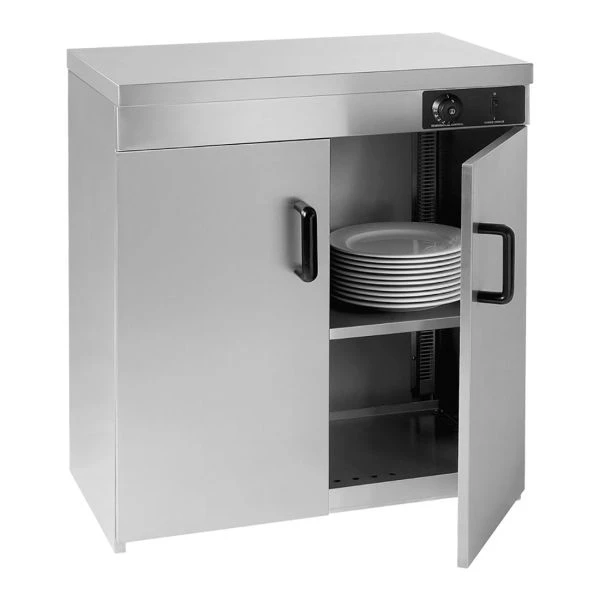

Plate warmers are crucial in maintaining food quality and enhancing customer experience in restaurants, hotels, catering businesses, and other hospitality settings. Properly warmed plates ensure food stays at the optimal serving temperature, preserving flavours, textures, and presentation. However, efficient usage of these machines requires staff training, ensuring that employees understand best practices, safety measures, and operational guidelines to maximise their effectiveness.
This article will discuss how to train restaurant and kitchen employees to use these warmers efficiently, covering key areas such as best practices, safety protocols, energy-saving techniques, troubleshooting, and maintenance procedures.
Step 1: Understanding the Importance of Plate Warmers
Before training employees on how to use the appliance, it is essential to educate them on the importance of using it properly. Help employees understand how properly warmed plates contribute to:
- Food Quality – Keeping dishes at the right temperature improves flavour and texture.
- Customer Satisfaction – Guests appreciate a meal served at the ideal temperature, which enhances their dining experience.
- Presentation – Warm utensils prevent condensation, ensuring sauces and garnishes maintain their integrity.
- Efficiency in Service – Utensils are ready for use, reducing delays in food service.
Before diving into hands-on training, hold a brief orientation session to explain these benefits.
Step 2: Teaching Plate Warmer Operations
Staff should be thoroughly familiar with how to operate plate warmers correctly. This training includes:
1. Loading the Warmer Properly
- You must stack crockeries evenly to allow adequate air circulation.
- Do not overload the product, as it can result in uneven warming.
- Utilise ideal plate substances (ceramic, porcelain) that maintain heat well.
2. Setting the Right Temperature
- Educate employees on ideal temperature settings for different types of plates.
- Typical titular appliances function between 140°F – 180°F (60°C – 82°C).
- Too high temperatures may cause crockery to crack or become too hot to handle.
3. Timing the Warming Process
- Staff should know how long plates need to be heated before service—usually 10–20 minutes, depending on crockery thickness.
- Train servers to check plate temperatures before plating food.
4. Handling Warm Plates Safely
- Use heat-resistant gloves or clothes when removing dishes.
- Place hot dishes on designated surfaces to avoid accidents.
- Inform the employees about proper carrying techniques to prevent dropping hot plates.
Utilise live demonstrations to ensure staff can operate the equipment with confidence.
Step 3: Implementing Energy-Saving Practices
Helping staff understand how to use these machines efficiently benefits food quality and reduces energy consumption. Teach the following energy-saving techniques:
1. Preheating Strategy
- Please turn on the titular machine only when necessary and avoid running it for extended periods of inactivity.
- Implement scheduled warming, aligning usage with peak service times.
2. Optimised Loading
- Avoid unnecessary heating cycles by warming only the required number of plates.
- Stack dishes correctly to maximise heat distribution.
3. Proper Shutdown Procedures
- Turn off the machine after service to prevent wasted electricity.
- Encourage staff to check timers and automatic shut-off features before leaving the area.
By adopting these practices, businesses can reduce utility costs while maintaining quality service.
Step 4: Safety Training and Risk Prevention
Safety is a top priority when handling heated utensils and operating the appliance. Staff should be trained to:
1. Avoid Burns and Injuries
- Never touch dishes directly after removing them from the warmer.
- Use insulated gloves or designated plate-handling cloths.
- Educate staff on recognising excessive heat levels to prevent burns.
2. Electrical Safety
- Ensure the equipment is connected to the correct power supply and appropriately grounded.
- Frequently check wires and electrical segments for damage or wear.
- Train staff to report any malfunctions immediately.
3. Emergency Handling
- Establish a clear protocol for burns or electrical issues.
- Keep first aid kits stocked for minor injuries.
- Provide guidelines on what to do in case of overheating or breakdowns.
Safety posters near plate warmers can reinforce these precautions.
Step 5: Troubleshooting Common Issues
Despite careful usage, these machines may sometimes experience issues. Staff should be equipped with basic troubleshooting knowledge, including:
1. Utensils Not Heating Properly
- Check if crockeries are stacked too tightly, blocking heat circulation.
- Confirm the temperature setting is correct and adjust if necessary.
- Inspect heating elements—malfunctioning parts may need replacement.
2. Overheated or Burnt Plates
- Reduce temperature settings if plates become too hot for handling.
- Avoid leaving dishes in the equipment for excessive periods.
3. The Equipment Not Turning On
- Confirm that the product is ideally plugged in and switched on.
- Check for blown connections or tripped circuit breakers.
- Notify maintenance staff if the issue persists.
Providing staff with a troubleshooting checklist ensures quick resolution of minor problems, reducing downtime.
Step 6: Maintenance and Cleaning Procedures
To extend the lifespan of these appliances, staff must perform routine cleaning and maintenance. Train employees to:
1. Clean After Every Shift
- Wipe down internal racks and heating components with a wet fabric.
- Remove dust and food particles to maintain efficiency.
2. Deep Cleaning Schedule
- Perform weekly deep cleans using safe cleaning agents.
- Disinfect surfaces to prevent bacterial buildup.
3. Check for Wear and Tear
- Check door seals, temperature gauges, and heating elements frequently.
- Please report any issues before they escalate into major repairs.
A cleaning checklist ensures consistency across shifts and helps preserve equipment longevity.
Step 7: Hands-On Training and Performance Assessments
Conduct hands-on practical training sessions once the staff has a solid understanding of plate warmer operations, safety, troubleshooting, and maintenance.
1. Interactive Training Modules
- Use real-time demonstrations for proper loading, setting temperature, handling dishes, and cleaning.
- Entrust mentors or senior staff members to teach trainees.
2. Test Knowledge Through Scenarios
- Present hypothetical situations (e.g., malfunctioning warmers, overheated utensils) and assess how staff respond to them.
- Evaluate energy-saving strategies in daily operations.
3. Periodic Refreshers and Evaluations
- Conduct quarterly refresher courses to reinforce training and ensure ongoing proficiency.
- Recognise top-performing staff with incentives to encourage efficiency.
Hands-on experience enhances confidence and competence, leading to smooth restaurant operations.
Conclusion
Proper staff training for plate warmers ensures optimal food quality, service efficiency, and workplace safety. By following these steps—including understanding operations, implementing energy-saving measures, prioritising safety, troubleshooting common issues, maintaining equipment, and conducting hands-on training—businesses can maximise the benefits of these products while minimising operational disruptions.
Investing in staff education and regular refresher courses will enhance customer satisfaction, improve workflow, and provide long-term cost savings, making the efficiency of these appliances a key asset in any food service establishment.






















Sign in to leave a comment.