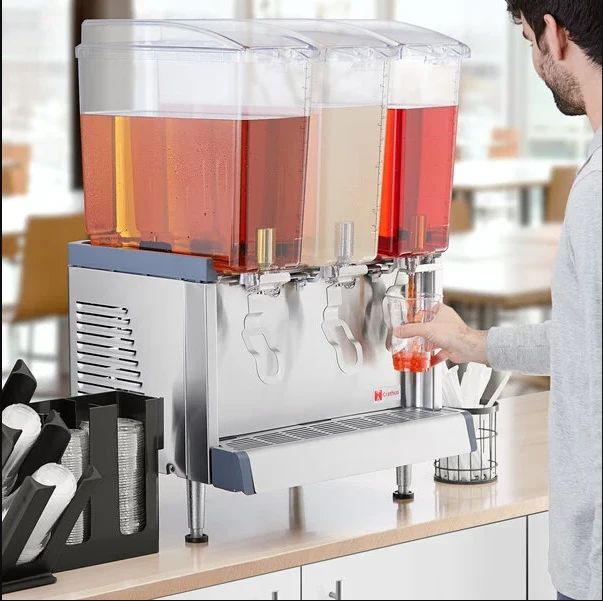

In the competitive environment of the food and hospitality industry, companies are continually seeking innovative ways to attract customers and maximise profits. While core offerings remain essential, introducing seasonal drinks dispensed through efficient juice dispensers presents a powerful strategy to capitalise on changing consumer preferences and drive revenue. This article delves into the intricacies of this approach, exploring how seasonal beverages, coupled with the functionality of a juice vending machine, can create a compelling proposition for businesses across various sectors.
The Allure of Seasonal Beverages:
Seasonal drinks capitalise on the inherent human desire for novelty and connection to the year's natural rhythms. They evoke memories, align with cultural celebrations, and offer a refreshing departure from standard menu items.
- Capitalising on Fresh Produce: Seasonal drinks often feature fresh, locally sourced items at their top flavour and nutritional value. This feature appeals to health-conscious consumers and supports local farmers, enhancing brand image.
- Creating a Sense of Urgency: Limited-time offerings generate a sense of urgency and specialty, motivating users to make quick purchases. This scarcity principle drives sales and increases foot traffic.
- Enhancing the Customer Experience: Seasonal drinks offer a unique and memorable experience, fostering customer loyalty and repeat business. They add variety to the menu, preventing monotony and keeping the offering fresh.
- Aligning with Cultural Celebrations: Special occasions, such as Halloween, Christmas, and summer festivals, provide opportunities to introduce themed drinks that resonate with customers and create a festive atmosphere.
- Boosting Social Media Engagement: Visually appealing seasonal drinks are highly shareable on social media channels, garnering organic marketing and boosting brand visibility.
The Efficiency of Juice Dispensers:
Juice dispensers play a crucial role in streamlining the preparation and serving of seasonal drinks, ensuring consistency, efficiency, and hygiene.
- Speed and Efficiency: These products allow quick and consistent pouring, reducing wait times and increasing customer throughput, especially during peak hours.
- Portion Control: Precise portioning minimises waste and ensures consistent product quality, leading to better cost control and customer satisfaction.
- Hygiene and Sanitation: Sealed dispensers minimise contamination and maintain hygiene standards, which are crucial for food safety and customer confidence.
- Versatility and Customisation: Many dispensers can handle a variety of beverages, including juices, smoothies, iced teas, and infused waters, offering flexibility in menu creation.
- Visual Appeal: Sleek and modern dispensers enhance the aesthetic appeal of the serving area, creating a professional and inviting atmosphere.
- Reduced Labor Costs: Automated dispensing minimises manual preparation, freeing up employees for other activities and lowering labour expenses.
Strategic Implementation of Seasonal Drinks and Juice Dispensers:
Businesses must implement a strategic plan that considers various factors to maximise the benefits of this approach.
1. Market Research and Trend Analysis:
- Identify popular recurring ingredients and flavour profiles that resonate with the target audience.
- Assess rival offerings and find opportunities for differentiation.
- Monitor social media trends and user feedback to stay informed about evolving preferences.
2. Menu Development and Recipe Creation:
- Develop a diverse range of seasonal drinks that cater to different tastes and dietary needs.
- Utilise fresh, high-quality ingredients to create flavorful and visually appealing beverages.
- Think about providing both alcoholic and non-alcoholic alternatives to cater to a broader audience.
- Test recipes and gather customer feedback before launching new recurring drinks.
3. Juice Dispenser Selection and Placement:
- Choose dispensers that are compatible with the types of beverages being served.
- Consider factors such as capacity, dispensing speed, and cleaning requirements.
- Strategically place dispensers in high-traffic areas for maximum visibility and accessibility.
- Ensure that the dispensers are easy to use and maintain.
- Consider investing in dispensers with chilling and mixing capabilities for optimal beverage quality.
4. Marketing and Promotion:
- Design visually appealing promotional materials highlighting the drinks' seasonal ingredients and unique flavours.
- Utilise social media platforms to promote these offerings and engage with consumers.
- Provide special promotions and discounts to incentivise purchases.
- Train staff to communicate the benefits of seasonal drinks to customers effectively.
- Create a visually pleasing display around the dispenser.
- Consider adding autumn or summer-themed signage to draw attention to the seasonal offerings.
5. Operational Efficiency and Cost Management:
- Implement efficient inventory management practices to minimise waste and ensure ingredient freshness.
- Train staff on proper dispensing techniques and hygiene protocols.
- Monitor sales data and adjust pricing and promotions as needed.
- Calculate the cost per serving to ensure profitability.
- Regular maintenance of the juice dispensers is performed to ensure optimal performance.
Examples of Seasonal Drink Ideas:
- Spring: Strawberry Rhubarb Lemonade: A refreshing blend of sweet and tart flavours.
- Cucumber Mint Infused Water: A light and hydrating beverage.
- Cherry Blossom Smoothie: A visually appealing and antioxidant-rich smoothie.
- Summer: Watermelon Lime Cooler: A thirst-quenching and refreshing drink.
- Mango Passion Fruit Iced Tea: A tropical and vibrant beverage.
- Peach Ginger Spritzer: A flavourful and aromatic drink.
- Autumn: Apple Cider Spice: A warm, comforting drink with seasonal spices.
- Pumpkin Spice Latte (cold or hot): A classic autumn favourite.
- Cranberry Orange Punch: A festive and tangy beverage.
- Winter: Spiced Hot Chocolate: A rich and indulgent drink.
- Peppermint Mocha: A festive and caffeinated beverage.
- Gingerbread Smoothie: A sweet and spiced winter treat.
Case Studies:
- Café Success: A local café introduced a seasonal menu featuring fresh fruit smoothies and infused waters dispensed through high-capacity juice dispensers. This step led to a 20% increase in beverage sales during the summer months and a notable boost in social media engagement.
- Restaurant Chain: A restaurant chain implemented an autumn & summer cocktail program using juice dispensers for pre-mixed ingredients. This step streamlined the bar service, reduced wait times, and increased cocktail sales by 15% during the holiday time.
- Hotel Breakfast Buffet: A hotel breakfast buffet utilises juice dispensers to offer a variety of fresh juices and smoothies, enhancing the guest experience and improving customer satisfaction ratings.
Challenges and Considerations:
- Ingredient Sourcing and Availability: Ensuring a consistent supply of fresh, seasonal ingredients can be challenging.
- Shelf Life and Storage: Seasonal ingredients often have a short shelf life, requiring careful inventory management.
- Equipment Maintenance: Regular cleaning and maintenance of juice dispensers are crucial for maintaining hygiene and optimal performance.
- Staff Training: Staff must receive adequate training on recipe preparation, dispensing techniques, and hygiene protocols.
- Price Point: Balancing the cost of ingredients with customer expectations is crucial for profitability.
Conclusion
The strategic implementation of seasonal drinks, dispensed through efficient juice dispensers, presents a powerful opportunity for businesses in the food and beverage industry to increase profits, enhance customer experience, and build brand loyalty. By capitalising on the allure of these flavours, streamlining activities, and executing efficient marketing techniques, businesses can create a compelling proposition that a customer can relate to and generate revenue.


























Sign in to leave a comment.