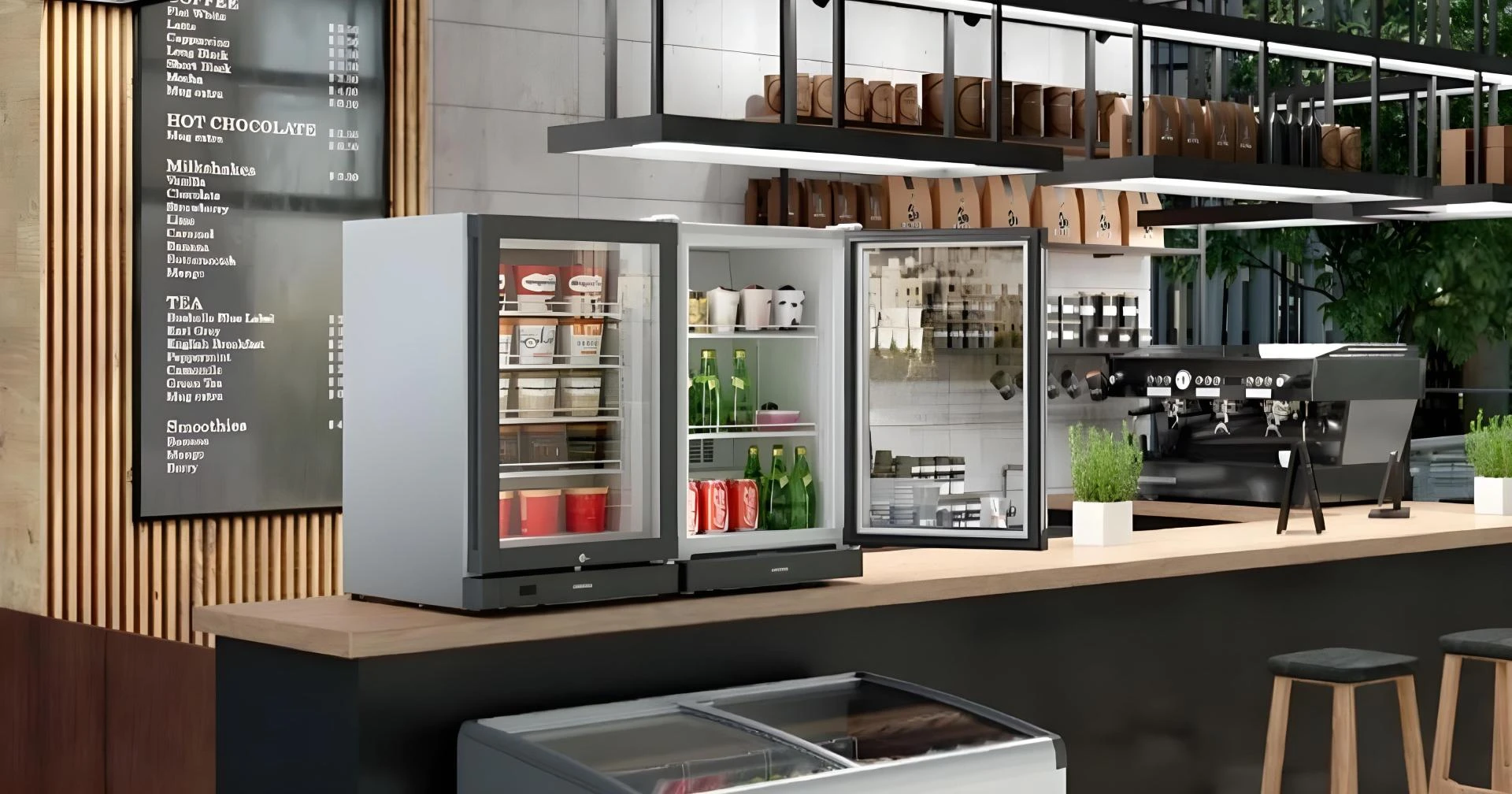

In the bustling heart of any bar, restaurant, or well-equipped home entertainment space, the bar fridge stands as a silent workhorse, tirelessly preserving beverages' chilled perfection. Yet, this crucial appliance often suffers from neglect, particularly regarding a seemingly mundane aspect: ventilation. While the cold interior grabs the spotlight, the often-overlooked necessity of proper aeration is paramount for its longevity, efficiency, and overall performance.
This article explores the value of proper aeration for bar fridges, the science behind the need, the consequences of neglect, and practical strategies for ensuring optimal airflow.
Understanding the Refrigeration Cycle and Heat Generation
At the core of a bar's equipment operation lies the refrigeration cycle, which involves the transfer of heat from the inside of the refrigerator to the surrounding environment. This cycle relies on a refrigerant that changes state from liquid to gas and back, absorbing and releasing heat.
- Compression: The compressor is the heart of the mechanism. It increases the pressure and heat of the refrigerant gas.
- Condensation: Warm, high-pressure gas flows through the condenser coils, typically at the back of the refrigerator. It releases heat into the environment and concentrates into a liquid.
- Expansion: The liquid refrigerant passes through an expansion valve, where its pressure drops, causing it to evaporate into a cold, low-pressure gas.
- Evaporation: The cool gas flows through the evaporator coils inside the refrigerator, soaking heat from the internal parts and chilling the air. The cycle then repeats.
This process generates heat, primarily at the condenser coils. This heat must be dissipated efficiently to ensure the refrigerant can effectively condense, and the fridge can maintain its desired temperature. If the heat is not removed correctly, the system becomes inefficient, leading to problems.
The Consequences of Poor Ventilation
Poor aeration hinders the heat dissipation process, leading to a range of detrimental effects:
- Reduced Efficiency and Increased Energy Consumption: When heat cannot escape, the compressor works harder and longer to maintain the set temperature. This issue translates to increased energy consumption and higher electricity bills. The product struggles to cool down, consuming more power to achieve the same result.
- Overheating and Compressor Failure: Overheating can cause the compressor to strain constantly, leading to premature failure. The compressor is costly, and its replacement can be a significant expense.
- Reduced Cooling Performance: Inadequate aeration compromises the refrigerator's ability to preserve a constant and optimal temperature. Beverages may not reach the desired chill, affecting their taste and quality.
- Shorter Lifespan: Continuous overheating and strain on components significantly reduce the overall lifespan of the bar fridge. A well-ventilated unit, on the other hand, can operate efficiently for many years.
- Increased Noise Levels: An overworked compressor tends to produce more noise, disrupting the ambience of the bar or entertainment space.
- Safety Hazards: In extreme cases, overheating can pose a fire hazard, especially if dust and debris accumulate around the condenser coils.
- Food Spoilage: Inconsistent temperatures can produce faster food and drink spoilage. Some drinks are sensitive to temperature variations, and their quality can be affected.
Factors Affecting Bar Fridge Ventilation
Several factors can impact the ventilation of a bar appliance:
- Ambient Temperature: Higher ambient temperatures significantly load the cooling system and require more efficient aeration.
- Installation Location: Enclosed spaces, such as cabinets or tight corners, restrict airflow and hinder heat dissipation.
- Clearance: Insufficient clearance around the equipment, particularly at the rear of the condenser coils, obstructs airflow.
- Dust and Debris: Dust and residue collected on the condenser coils act as insulators, preventing heat from escaping.
- Airflow Obstructions: Objects placed too close to the fridge or blocking ventilation grilles can restrict airflow.
- Design of the Fridge Itself: Some product designs are inherently more sensitive to ventilation issues than others.
Practical Strategies for Ensuring Proper Ventilation
To mitigate the risks associated with poor ventilation, consider the following strategies:
- Adequate Clearance: Ensure sufficient clearance around the refrigerator, particularly at the rear. Manufacturers typically recommend a minimum of 2 inches (5 cm) on the sides and back and 4 inches (10 cm) above. However, always consult the manufacturer's specifications for precise recommendations.
- Appropriate Installation Location: Avoid installing the fridge in enclosed spaces or tight corners. If installation in a cabinet is unavoidable, ensure adequate ventilation openings are provided.
- Frequent Cleaning: Maintain the condenser coils frequently to clear dust and dirt. Gently remove accumulated dirt using a vacuum cleaner with an attached or soft brush.
- Proper Airflow: Objects should not obstruct ventilation grilles, and airflow around the appliance should be maintained in a clear path.
- Ambient Temperature Control: Keep the temperature within the fridge's recommended operating range. Do not place the refrigerator near heat sources, such as stoves or radiators.
- For Built-In Units: If your bar fridge is designed for built-in installation, ensure that the installation complies with the manufacturer's ventilation requirements. Built-in units often require specialised ventilation systems.
- Consider Forced Air Ventilation: In situations where natural ventilation is insufficient, consider installing a forced air ventilation system. This system uses fans to circulate air around the product actively.
- Regular Maintenance Checks: Perform frequent maintenance checks to ensure that the equipment works efficiently and that aeration is adequate.
- Use a Temperature Monitoring System: An alarm monitor system can alert you to temperature fluctuations, which may indicate aeration issues.
- Consult a Professional: If you are unsure about the ventilation requirements for your bar fridge, consult a qualified appliance technician.
The Long-Term Benefits of Proper Ventilation
Investing in proper aeration for your bar fridge yields significant long-term benefits:
- Extended Lifespan: A well-ventilated fridge operates more efficiently and experiences less stress on its components, resulting in a longer lifespan.
- Reduced Energy Costs: Efficient operation translates to lower energy consumption and reduced electricity bills.
- Optimal Cooling Performance: Proper aeration ensures that the fridge can maintain a consistent and optimal temperature, preserving the quality of beverages.
- Reduced Maintenance Costs: Preventing compressor failure and other component damage reduces maintenance and repair costs.
- Improved Reliability: A properly ventilated fridge is more reliable and less prone to breakdowns.
- Enhanced Safety: Reducing the risk of overheating minimises the potential for fire hazards.
- Better Ambience: A quieter, more efficient fridge contributes to a more pleasant environment.
- Increased Value: A well-maintained bar fridge adds value to your property.
Conclusion
Proper ventilation is not merely a suggestion but a fundamental requirement for a bar fridge's efficient and reliable operation. By understanding the science behind the refrigeration cycle, recognising the consequences of poor aeration, and implementing practical strategies for ensuring optimal airflow, you can enhance the lifespan of your product, reduce energy costs, and maintain the perfect chill for your beverages.

























Sign in to leave a comment.