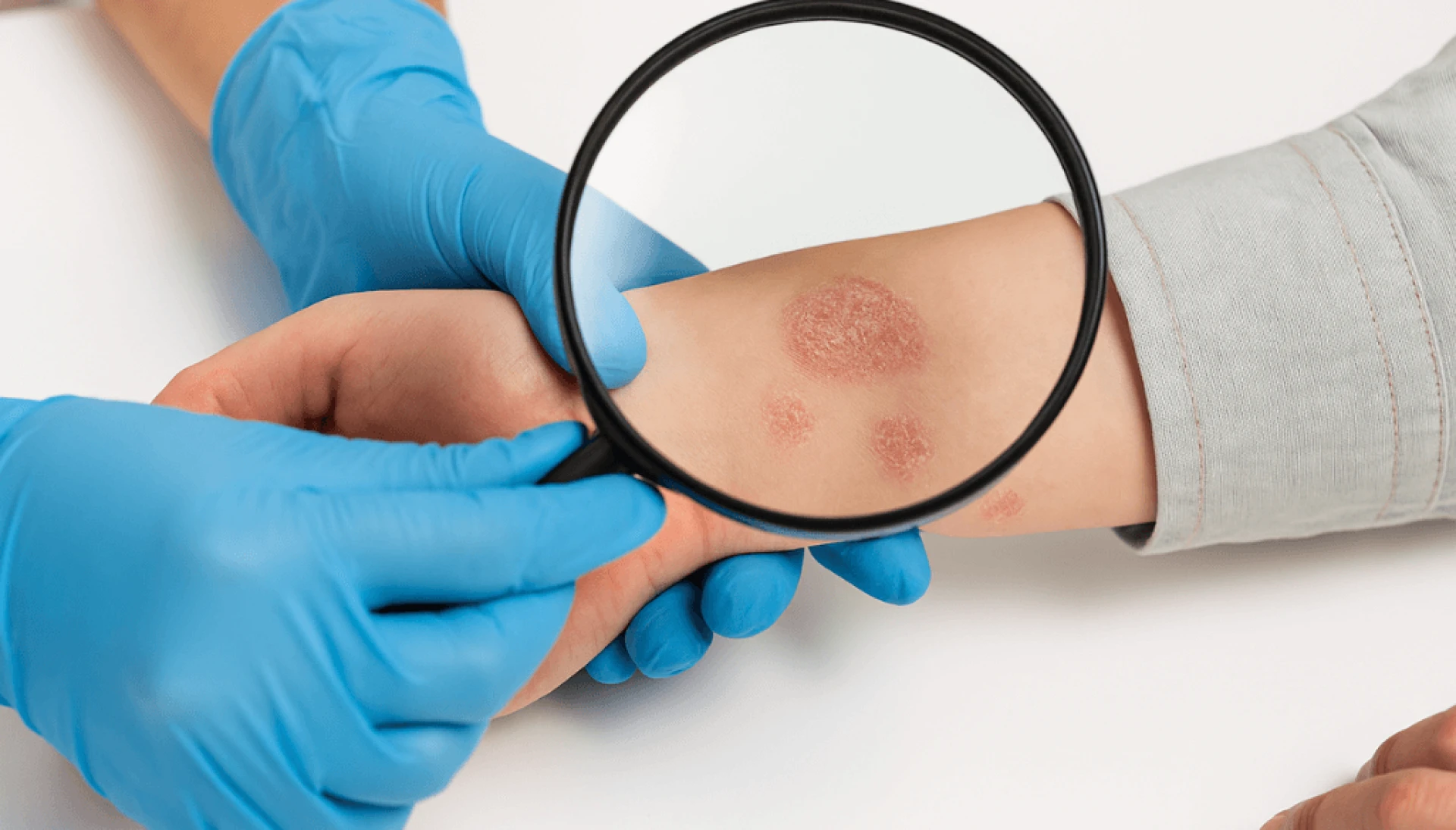

Our skin protects us from the sun, wind, and weather, but spending too much time in the sun can sometimes cause small rough patches on the skin called actinic keratoses. These patches can be dry, scaly, or slightly raised, and they usually appear on areas that get a lot of sun, like the face, hands, or scalp.
What is Actinic keratoses? Actinic keratoses (often called AKs) are not skin cancer, but if left untreated, they can sometimes turn into one. That’s why it’s very important to treat them early.
With today’s gentle and proven treatments, these sun-damaged spots can be safely cleared away, helping your skin stay healthy and smooth. In this guide, we’ll look at easy ways to treat actinic keratoses, including advanced options like UltraClear Laser and NeoGen Plasma.
What Actinic Keratoses Look Like
Actinic keratoses (AKs) can show up in many ways. Here are some simple signs to look for:
- Feel: The spots often feel dry, rough, or scaly, like sandpaper.
- Colour: They can be pink, red, brown, or skin-coloured.
- Shape: They may be flat or slightly raised on the skin.
- Common areas: Often appear on the face, nose, ears, lips, scalp, hands, and arms, i.e., places that get lots of sun.
- Who gets them: People with lighter skin, hair, and eyes may get them more easily, but anyone can if they spend too much time in the sun.
- Other signs: Some patches may itch, sting, or feel sore.
- Warning signs: If a spot grows, bleeds, or changes colour or shape, see a doctor right away.
If you notice any of these signs, it’s important to see a medical professional. They can check your skin and help you find the right treatment early.
Here’s How To Treat Actinic Keratoses
Follow these tips to treat solar keratoses and find comfort:
Visit a Specialist
The first step is to see a skin specialist, also called a dermatologist. They can check your skin and confirm if the rough patches are actinic keratoses. The doctor might look closely or use a special light or lens. Early checks are important because AKs can sometimes turn into skin cancer if left untreated.
Cryotherapy (Freezing Treatment)
Cryotherapy is a quick and simple way to treat rough patches of solar keratoses on your skin. The doctor sprays liquid nitrogen onto the patch, which freezes and destroys the damaged skin cells. After treatment, the spot may blister or crust before new, healthy skin grows. It’s safe, effective, and often done in just a few minutes.
Topical Creams and Gels
Your doctor might give you special creams or gels to use at home. Common ones include 5-fluorouracil (5-FU), imiquimod, and diclofenac. These medicines help remove damaged cells by making the area red and peeling slightly. It may take a few weeks to heal, but the skin often looks smoother and clearer afterwards.
Light Treatment (Photodynamic Therapy)
Photodynamic therapy, or PDT, uses a special cream and bright light to destroy bad cells. The cream is placed on the skin and left for a short time before light is used to activate it. This treatment works well for large or multiple patches, especially on the face or scalp, and it usually leaves little or no scarring.
NeoGen Plasma Treatment
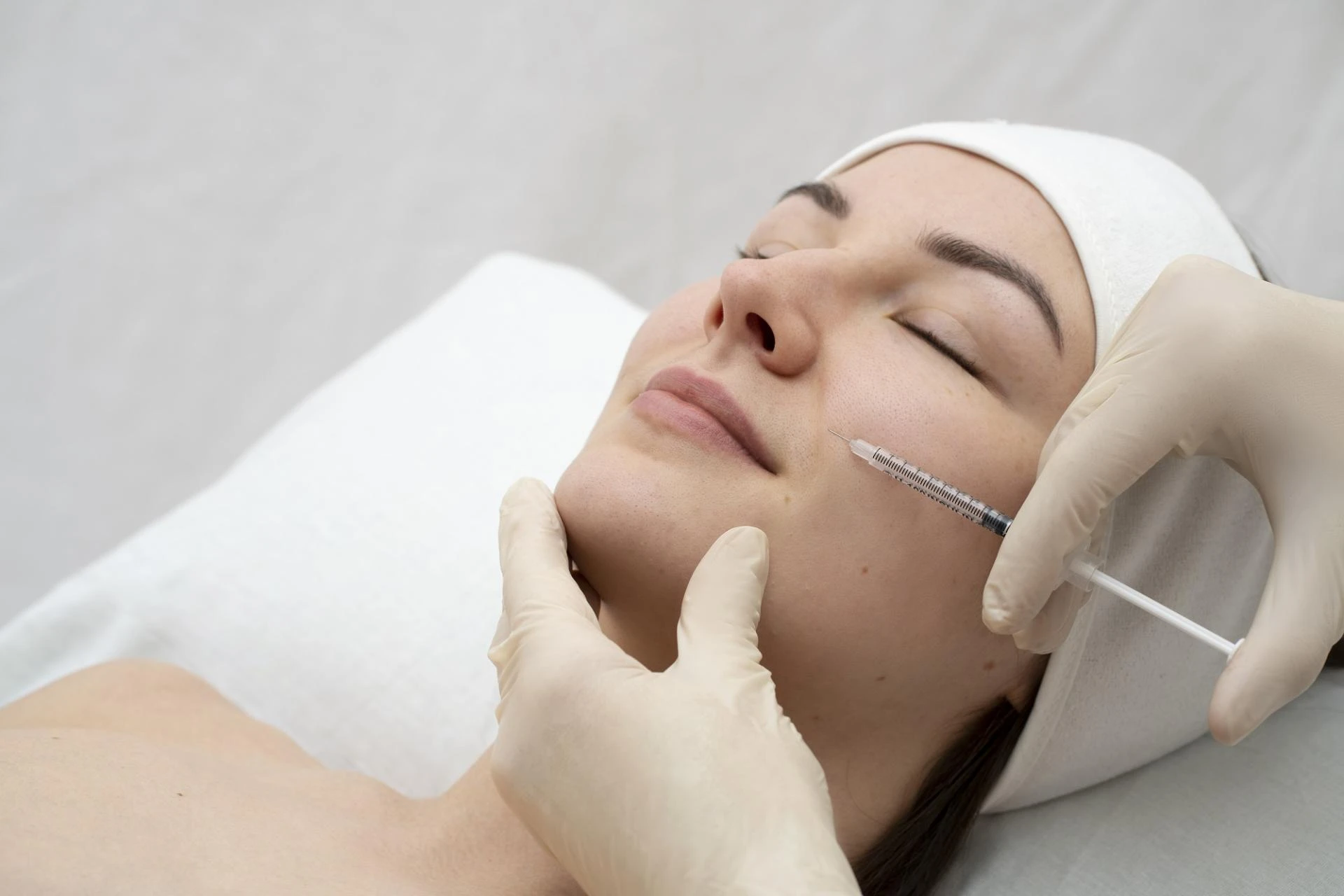
NeoGen Plasma is a modern treatment that uses gentle plasma energy to heat and renew the skin. It removes damaged cells on the surface while helping new, healthy skin grow underneath. It also improves skin texture and tone, making it smoother and fresher. It’s a good option for people who want clearer, younger-looking skin while treating AKs.
UltraClear Laser Skin Resurfacing
The UltraClear Laser works by gently removing thin layers of damaged skin, allowing new skin to appear. It targets only the problem areas, so healing is faster and smoother. This treatment can help fade sun spots, rough patches, and early AKs, leaving the skin even and bright with little downtime.
Minor Skin Procedures
For thicker or stubborn AKs, your doctor may suggest small skin procedures, such as scraping (curettage) or laser removal. These are done under local anaesthetic so that you won’t feel pain. Healing takes a few days to weeks, and you’ll be given care advice to prevent infection and help the skin recover well.
Protect Your Skin from the Sun
Sun protection is the best way to stop new AKs from forming. Use a broad-spectrum sunscreen (SPF 30 or higher) every day, even on cloudy days. Wear hats, sunglasses, and long sleeves when outdoors, and try to stay in the shade between 11 a.m. and 3 p.m. Consistent sun care keeps your skin healthy and safe.
Check Your Skin Often
Keep an eye on your skin every month or so. Look for new rough spots, red patches, or changes in old ones. If you see any obvious changes in your skin or the actinic keratoses patches, talk to your doctor.
Early checks and treatments can stop problems before they become serious.
Conclusion
Actinic keratoses may seem small, but they’re a clear sign that your skin has been damaged by the sun. The good news is, there are many safe and proven ways to treat them. From simple freezing and creams to advanced light and laser treatments, there’s an option for every skin type and stage.
The most important step is to act early and get your skin checked by a professional. With the right care, you can remove damaged spots, protect your skin, and prevent new ones from forming.
If you’re looking for gentle yet effective treatments, NeoGen Plasma and UltraClear Laser Resurfacing at the Yorkshire Skin Centre in Leeds are excellent modern options. These treatment options not just treat solar keratoses, but also improve your overall skin health.





















Sign in to leave a comment.