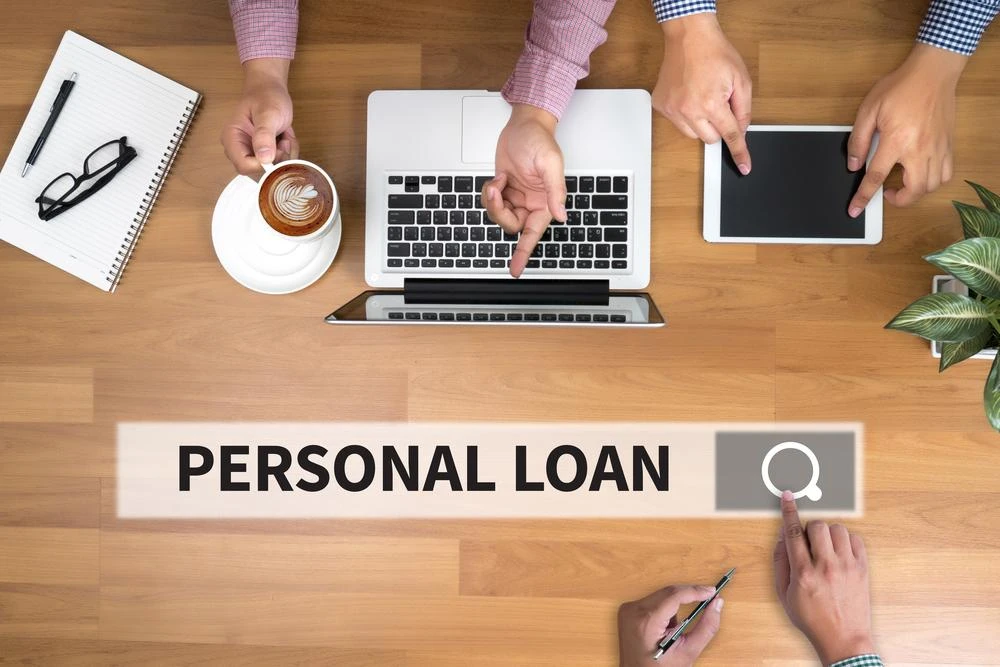

Education in India is now going beyond traditional degrees. Many individuals now invest in professional certifications, short-term programmes, and skill-based courses to remain competitive in a changing job market. These learning paths often involve costs that savings, scholarships, or employer support may not fully cover. In such situations, some learners consider Personal Loans as a supplementary way to manage education expenses. Understanding how to use this option responsibly helps ensure sound financial decisions.
Education Funding Needs in 2026
Education-related expenses today extend beyond tuition alone. Learners often face multiple costs when pursuing modern learning paths, especially in flexible or digital formats.
Common education expenses include:
- Tuition or programme enrolment fees
- Digital learning platforms and online course access
- Examination and certification charges
- Software, tools, or equipment required for coursework
These combined costs can create funding gaps, particularly for short-term or professional courses that may not qualify for traditional education loans. As a result, some learners explore alternative funding options.
Understanding Personal Loans for Education
A Personal Loan allows borrowers to access funds for a wide range of purposes, including education-related expenses. An unsecured Personal Loan does not require collateral, making it accessible to individuals with a stable income and an acceptable credit history. Unlike education loans, Personal Loans usually do not restrict the type of course or institution. This flexibility explains why they are sometimes considered for short-duration or specialised education needs.
Situations Where a Personal Loan May Be Used
Using a Personal Loan for education is generally relevant in specific circumstances. Short-term courses with defined outcomes, such as professional certifications or upskilling programmes, often offer quicker career relevance. Working professionals may also use loans to fund part-time or online learning while continuing to earn. In these cases, predictable income plays a key role in managing repayments without disruption.
Assessing Affordability Before Borrowing
Careful financial planning is essential before you apply for a Personal Loan for education-related funding. Borrowers should evaluate monthly repayment obligations alongside existing expenses such as rent, household costs, and other loans. Loan tenure should align with income visibility rather than solely with course duration. Borrowing only what is necessary helps control total repayment cost and reduces long-term financial pressure.
Comparing Personal Loans With Other Funding Options
Education loans often suit full-time degrees because they offer longer repayment periods and structured terms. Personal loans, by contrast, provide faster access to funds and fewer restrictions on usage. The right choice depends on the course type, duration, and repayment capacity. When reviewing options, borrowers often compare offerings from established financial institutions, such as HSBC, before applying for Personal Loan funding to understand eligibility criteria, repayment terms, and overall affordability.
Using an Unsecured Personal Loan Responsibly
Responsible use of an unsecured Personal Loan requires discipline and planning. Borrowers should include repayments within their monthly budget and avoid overlapping high-cost credit. Funding long-term education through short-term borrowing increases risk if income expectations change. Clear repayment planning supports financial stability while pursuing learning goals.
Common Errors to Avoid
Borrowers often make avoidable mistakes when taking out student loans. Awareness of these risks helps improve decision-making. Common errors include:
- Focusing only on the monthly instalments instead of the total repayment cost
- Choosing longer tenures solely to reduce instalments
- Ignoring future income uncertainty
- Borrowing without a clearly defined education outcome
Avoiding these errors helps ensure education remains a productive investment rather than a financial burden.
Conclusion
A Personal Loan can support education goals in 2026 when used thoughtfully and within clear financial limits. Learners benefit most when borrowing decisions align with realistic income expectations and defined outcomes. Careful planning and responsible repayment help ensure that education strengthens long-term financial health rather than creating avoidable pressure.


























Sign in to leave a comment.