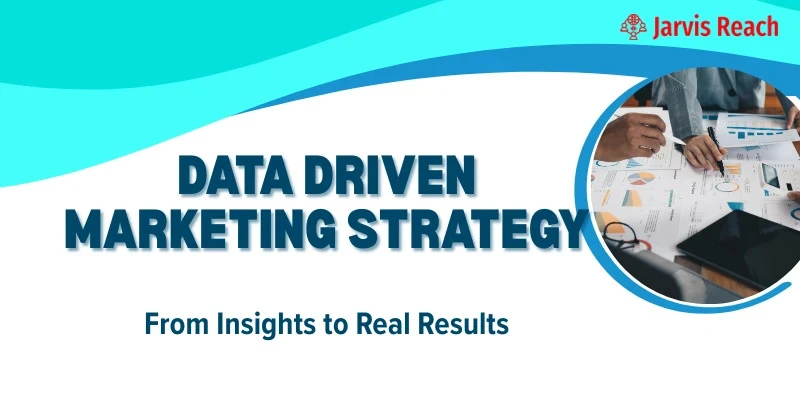
Marketing in today’s digital world can feel like trying to navigate a dense forest without a map. You’re running campaigns, sending emails, posting on social media but are you truly seeing the path ahead? That’s where analytics comes in. With the right approach, data can illuminate opportunities, reveal hidden patterns, and help you make smarter decisions that actually move the needle. Let’s explore how to leverage analytics to transform your marketing strategy from guesswork to a data-driven powerhouse.
Understanding Your Customers with Analytics
At the heart of any successful marketing strategy is customer analytics. Knowing who your audience is, what they care about, and how they interact with your brand allows you to tailor your messaging in meaningful ways.
For instance, imagine you’re running an e-commerce business. By analyzing customer behavior, you might discover that a segment of users frequently browses a specific product category but rarely purchases. With this insight, you can craft targeted email campaigns or personalized offers that speak directly to their needs turning casual browsers into paying customers.
Collecting and interpreting first-party data is crucial here. This is data you gather directly from your users think website interactions, purchase history, or subscription behavior. Not only is it highly reliable, but it’s also privacy-compliant, which matters more than ever in today’s digital landscape.
Measuring What Matters: Campaign Metrics
Numbers can be intimidating, but they’re your best friends when it comes to improving marketing performance. Instead of obsessing over every stat under the sun, focus on metrics that truly reflect your goals.
For example, if you’re running an email campaign, pay attention to open rates, click-through rates, and conversions. These email campaign performance metrics provide insights into how well your content resonates with recipients and where there’s room for improvement.
Analytics doesn’t stop at emails. Social media engagement, landing page conversions, and even website bounce rates all contribute to a holistic view of your campaign performance. The key is to consistently track these metrics and use them as a foundation for campaign optimization.
Turning Data into Actionable Insights
Collecting data is only the first step. The real magic happens when you turn numbers into data-driven insights that guide strategy.
Let’s say your analytics reveal that your follow-up emails generate higher engagement than initial outreach. That insight tells you to refine your follow-up cadence, experiment with timing, or personalize content based on previous interactions.
Another example is A/B testing. By analyzing which email subject lines or social media posts perform better, you can optimize campaigns with precision instead of relying on guesswork. This iterative approach ensures that your marketing is always evolving, becoming smarter with every campaign.
Leveraging Marketing Automation
Analytics paired with marketing automation best practices is a game-changer. Automation allows you to act on insights without getting bogged down by repetitive tasks. For instance, if a lead clicks a product link but doesn’t purchase, an automated follow-up email triggered by this behavior can nudge them closer to conversion.
Automation also enables advanced segmentation. You can target specific audiences based on behavior, demographics, or purchase history, delivering highly personalized experiences at scale. This combination of data and automation ensures your strategy isn’t just reactive it’s proactive, predictive, and consistently effective.
The Road Ahead: Building a Data-Driven Marketing Strategy
Transforming your marketing strategy with analytics isn’t about using every tool or chasing every trend it’s about making informed decisions. Start small: identify key metrics, gather reliable first-party data, and experiment with insights in real campaigns. Over time, you’ll see the compounding benefits of a data-driven marketing strategy: higher engagement, better ROI, and campaigns that genuinely connect with your audience.





























Sign in to leave a comment.